WASHINGTON — President Donald Trump and Senate Democrats struck a deal Thursday to avert a prolonged shutdown for most of the federal government, five sources familiar with the agreement said, in an effort to de-escalate a bitter fight over the Department of Homeland Security and ICE that reached a boiling point after the killings of two U.S. citizens in Minneapolis.
While funding will temporarily lapse for multiple agencies starting at 12:01 a.m. Saturday, the impact is expected to be minimal since most federal employees don’t work on the weekend.
A Senate vote on the funding agreement could happen as soon as Thursday night. The House, which returns to Washington on Monday, would then need to pass the legislation and send it to Trump’s desk for his signature.
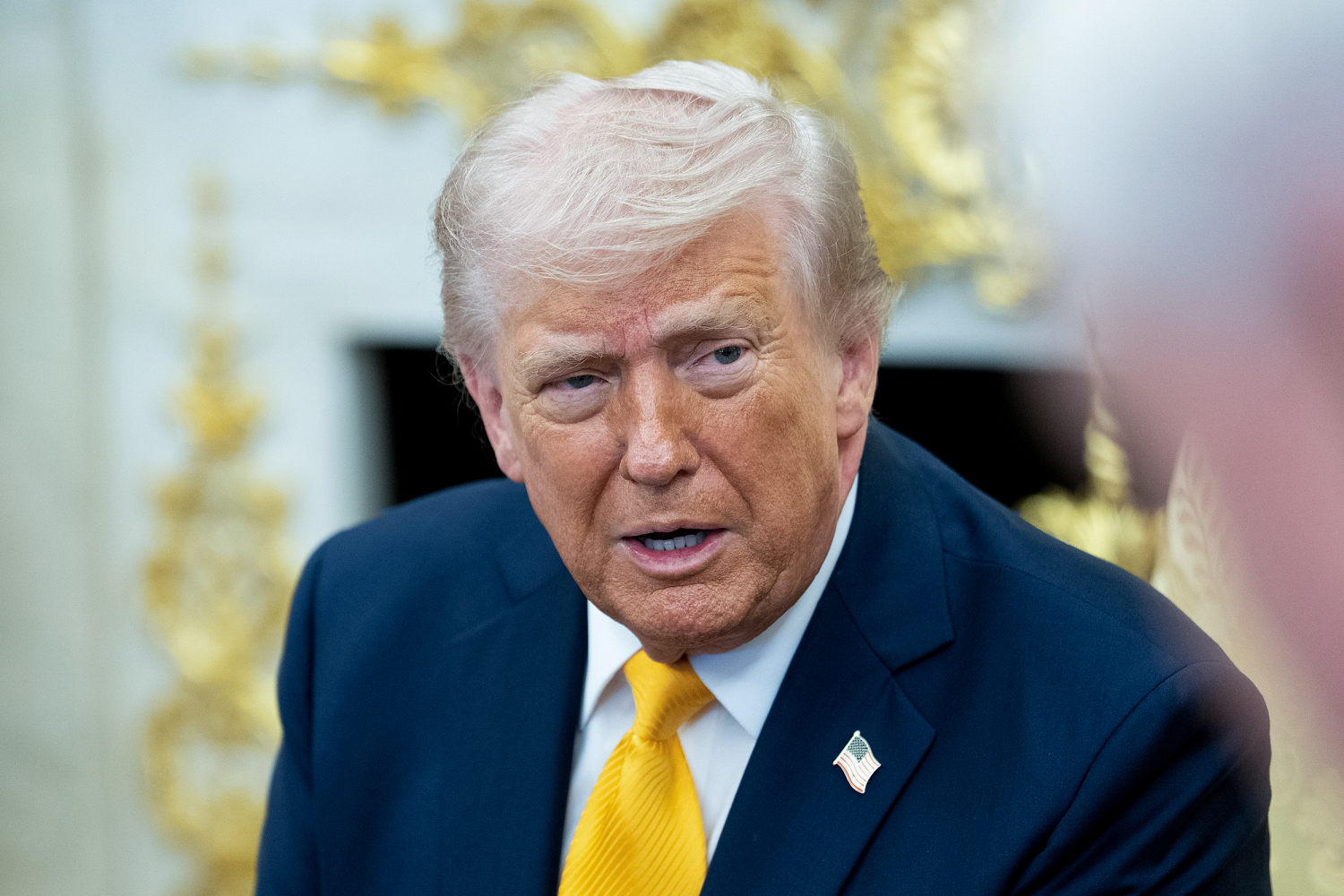
“Hopefully, we won’t have a shutdown. We’re working on that right now. I think we’re getting close. The Democrats, I don’t believe want to see it either,” Trump said earlier in the day during his first Cabinet meeting of the new year. “So we’ll work in a very bipartisan way, I believe, not to have a shutdown. We don’t want to shut down.”
The deal reflects what senators in both parties had floated just a day earlier: passing a short-term funding bill for DHS, while the two parties negotiate changes to the department and Immigration and Customs Enforcement, which it oversees, along with bills to fund the rest of the government through Sept. 30.
The final outstanding issue in the negotiations was how long the stopgap bill, known as a continuing resolution or CR, would fund DHS. The two sides agreed to a two-week CR that would keep DHS running through Feb. 13, just before both chambers depart for a weeklong recess, the sources told NBC News.
The agreement came together just hours after the Senate rejected a sweeping $1.2 trillion funding package that the House passed last week; that legislation bundled all six funding bills together, including funding for DHS. The Senate vote was 45-55, with eight Republicans joining all Democrats in voting no — far short of the 60 votes needed to defeat a filibuster.
The Republicans who voted against the measure were Sens. Ted Budd, R-N.C.; Ron Johnson, R-Wis.; Mike Lee, R-Utah; Rand Paul, R-Ky.; Ashley Moody, R-Fla.; Rick Scott, R-Fla.; and Tommy Tuberville, R-Ala. For procedural reasons, Senate Majority Leader John Thune, R-S.D., switched his vote to “no.”
The failed vote on the House package was expected, as Democrats had warned they would not support it without significant safeguards related to DHS and ICE operations. But the degree of GOP opposition to the existing package highlighted the leverage Democrats had in securing an agreement.
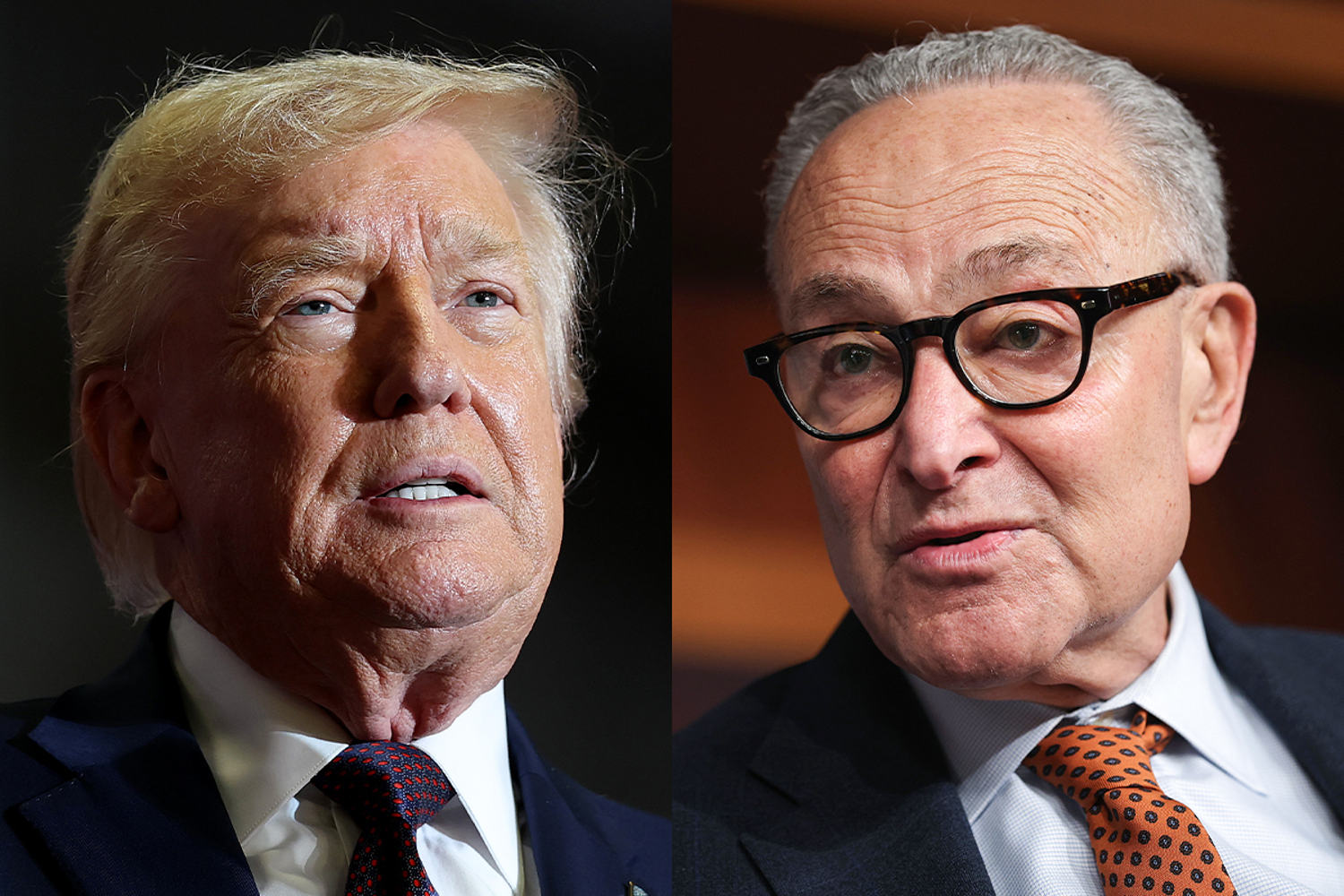
“This is a moment of truth for the United States of America. What the nation witnessed on Saturday in the streets of Minneapolis was a moral abomination,” Senate Minority Leader Chuck Schumer, D-N.Y., said before the deal was announced. “What ICE is doing, outside the law, is state-sanctioned thuggery, and it must stop. … And Congress has the authority and the moral obligation to act.”
Thune, meanwhile, deferred to the White House to cut a deal, telling reporters: “My hope and expectation is that, yeah, as the White House and Senate Dems, they work this out, that they’ll be able to produce the votes that are necessary to get it passed.”
Funding for many critical agencies — including the departments of Defense, State, Treasury, Transportation, Health and Human Services, Education and Homeland Security — runs out at 11:59 p.m. ET on Friday.
A shutdown of those agencies is expected to occur regardless of the bipartisan deal, since anything the Senate passes will also need to be passed by the House.
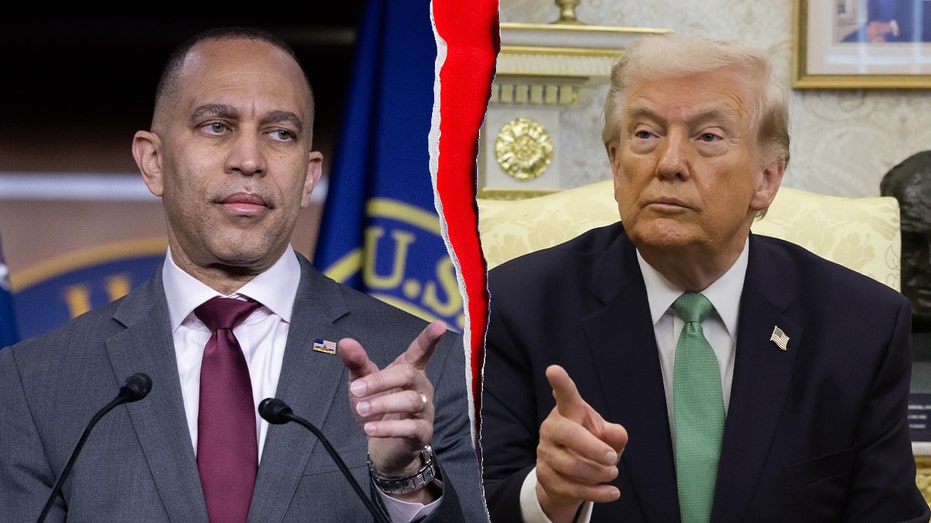
Speaking to reporters in the Capitol before the deal, House Minority Leader Hakeem Jeffries, D-N.Y., said he has consulted with Schumer and also spoke Wednesday with Speaker Mike Johnson, R-La.
A short-term DHS bill “cannot be endless, and it cannot be long,” Jeffries said, adding that House Democrats would “evaluate in its totality” any agreement reached in the Senate.
Scott Wong
Scott Wong is a senior congressional reporter for NBC News.
Sahil Kapur
Sahil Kapur is a senior national political reporter for NBC News.
Ryan Nobles
Ryan Nobles is chief Capitol Hill correspondent for NBC News.
Frank Thorp V
Frank Thorp V is a producer and off-air reporter covering Congress for NBC News, managing coverage of the Senate.
Julie Tsirkin
Julie Tsirkin is a correspondent covering Capitol Hill and the White House.
Kyle Stewart and Brennan Leach contributed.
NBC News Top Stories
About the Author