In recent years, O’Hara enjoyed a late-career renaissance and introduced herself to a new generation of television viewers as the daffy former soap opera star Moira Rose on “Schitt’s Creek,” a defining role that earned her an Emmy Award in 2020.
In her acceptance speech, she thanked the show’s co-creators — the father-and-son duo Eugene and Dan Levy — for “the opportunity to play a woman of a certain age, my age, who gets to fully be her ridiculous self.”
She also joined the supporting casts of the acclaimed Apple TV+ show business satire “The Studio” and the post-apocalyptic HBO drama “The Last of Us,” adapted from a popular video game franchise of the same name.
“Oh, genius to be near you. Eternally grateful,” Pedro Pascal, the star of “The Last of Us,” posted on Instagram in a tribute to O’Hara. “There is less light in my world, this lucky world that had you, will keep you, always.”
In 2021, O’Hara received the Governor General’s Performing Arts Award, the most prestigious honor bestowed on Canadian performers. “She is a cultural trailblazer whose international success has inspired many artists and helped pave the way for the next generation of women in comedy,” her citation read.
Catherine Anne O’Hara was born March 4, 1954, in Toronto. She launched her acting career with the famed Second City comedy troupe, a formative experience she later described as her personal “university.”
“I learned writing, scene structure, character development,” O’Hara was later quoted as saying. “Everything I’m still tapping into, and I was fortunate to meet all those wonderful, talented people with whom I still get to work.”
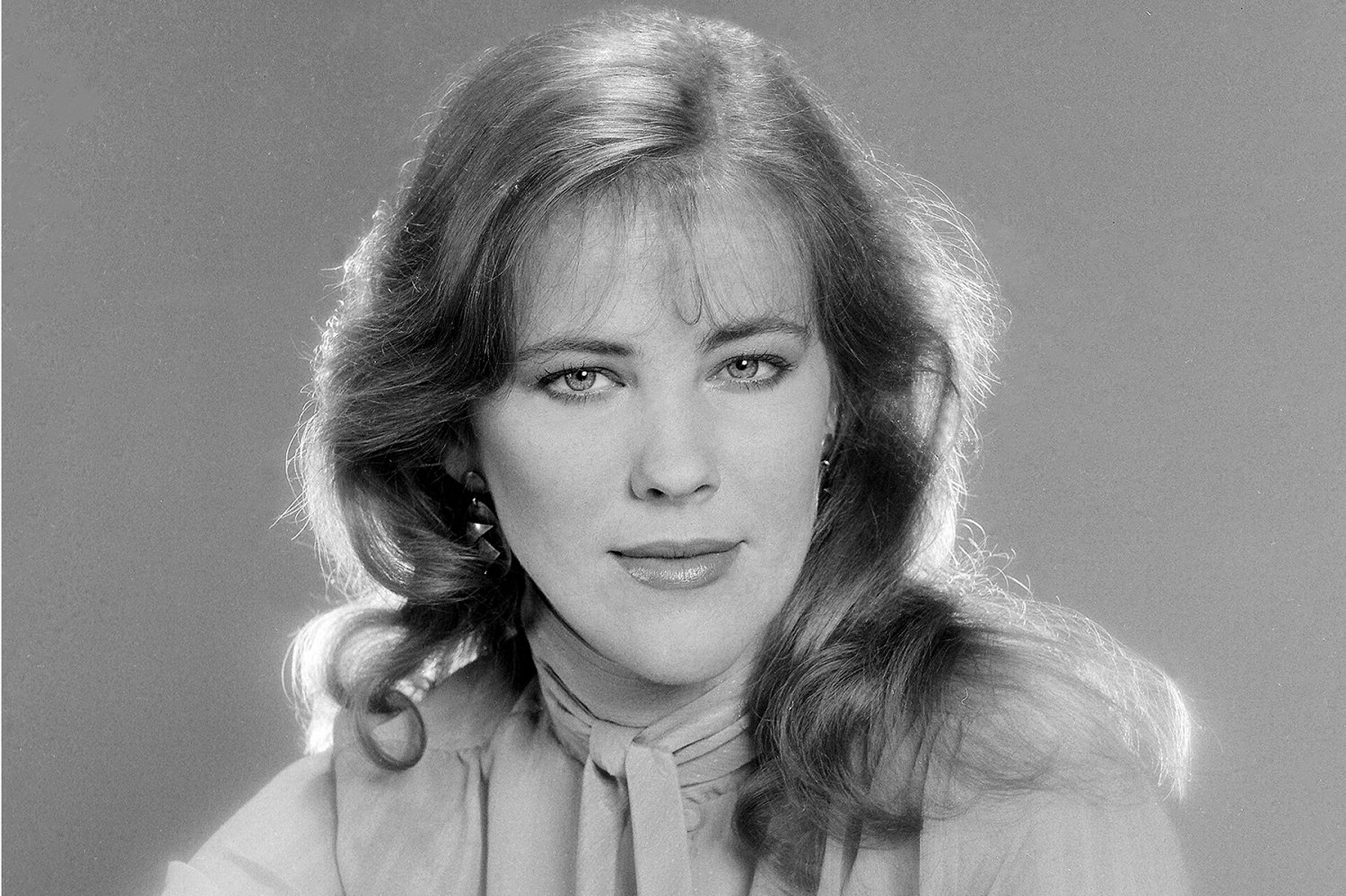
Catherine O’Hara in 1981.NBC
O’Hara and her other Second City peers — including future stars such as John Candy, Eugene Levy, Rick Moranis and Martin Short — brought their sketch talents to television with the influential “SCTV” series, Canada’s answer to NBC’s “Saturday Night Live.”
“SCTV” brought O’Hara her first Emmy Award, for outstanding writing, and served as her entrée to Hollywood.
O’Hara picked up television work throughout the early 1980s before gaining wider notice with parts in mainstream Hollywood features, including Martin Scorsese’s “After Hours” (1985) and Mike Nichols’ “Heartburn” (1986). “Beetlejuice” (1988) gave her a signature role as the eccentric sculptor Delia Deetz.
NBC News Top Stories
About the Author