MoneyWatch: Managing Your Money
We may receive commissions from some links to products on this page. Promotions are subject to availability and retailer terms.
February 25, 2026 / 4:09 PM EST
/ CBS News
Add CBS News on Google
Before you buy gold bars, you should know the costs and the options available to regular investors.
DBenitostock/Getty Images
After spending years hovering in the $1,800 to $2,500 range, the price of gold has been on a swift upward trajectory over the last year, smashing through one record after another and recently crossing through the $5,000-per-ounce threshold — a milestone that would have seemed almost impossible to imagine just a few years ago. For investors who have watched from the sidelines, the question is no longer whether gold is worth paying attention to. It’s whether it’s too late to buy in.
And, it’s especially clear why demand for gold has stayed strong over the past few months. A mix of persistent economic uncertainty, geopolitical instability and lingering inflation anxiety has sent investors rushing toward assets they consider reliable stores of value. Central banks around the world have been stacking gold at high rates and retail investors have followed their lead. When institutions that manage national reserves start hoarding something, it tends to get people’s attention.
But interest in gold and actually buying gold are two very different things. Many people who want exposure to the physical metal think of gold bars without fully understanding what options are actually available to everyday investors — or what they cost. So what can you expect to pay for one gold bar right now? That’s what we’ll examine below.
Compare your gold investing options online now.
How much does one gold bar cost right now?
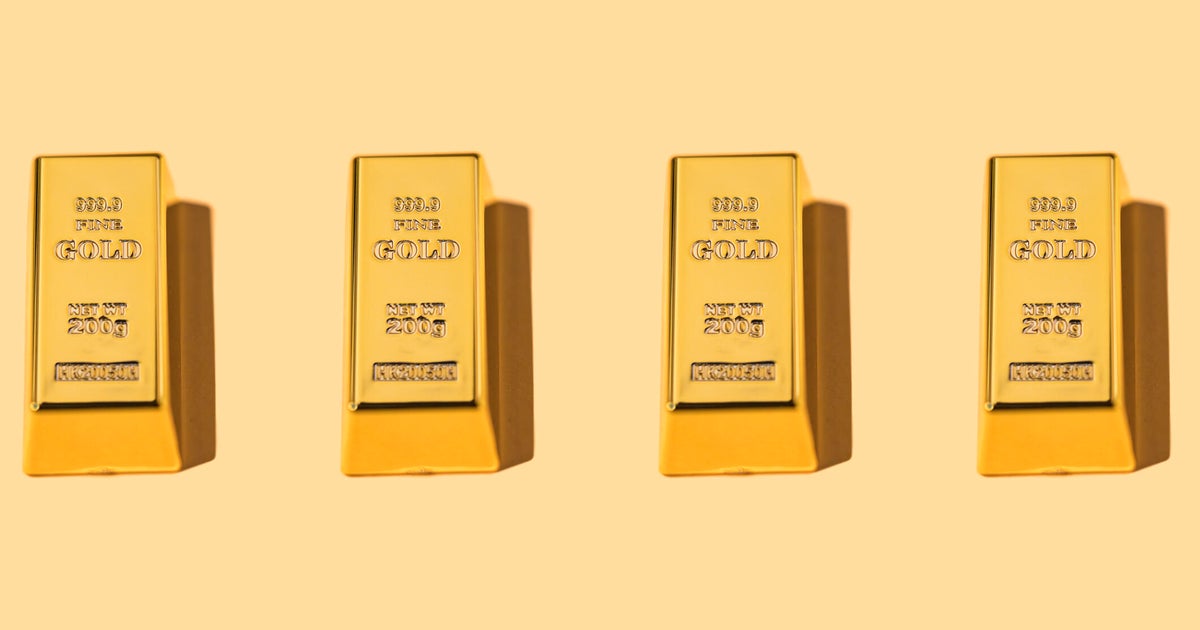
For many investors, the idea of a gold bar conjures an image of a large, heavy brick stamped with a serial number. And yes, those exist — but they represent just one point on a very wide spectrum.
Gold bars are available in a range of weights, from a single gram all the way up to the 400-troy-ounce “Good Delivery” bars that central banks and institutional traders exchange. With gold prices currently sitting at $5,185.08 per troy ounce, the math changes dramatically depending on which size you’re after.
At the small end, a 1-gram gold bar would run you about $185 if we’re calculating costs using just today’s spot price. A 5-gram bar comes in at about $925, and a 10-gram gold bar sits near $1,850. Move up to a 1-ounce gold bar — the most popular size for retail investors — and you’re looking at roughly $5,185 per bar at today’s prices, though the actual purchase price will run higher once premiums are factored in. A 10-ounce gold bar would currently run about $51,851 and a 1-kilogram bar (approximately 32.15 troy ounces) would set you back around $166,700.
That gap between spot price and purchase price matters, though. The spot price is simply the current market price for raw gold. When you buy a physical gold bar, you’ll also pay a dealer premium, which typically runs anywhere from 1% to 5% over spot for larger bars, and sometimes significantly more for smaller ones. A 1-gram gold bar, for instance, might carry a premium of 20% or more simply because the manufacturing and handling costs are spread over a tiny amount of metal. Storage fees, insurance and shipping can add to that total, too.
The gold bar’s origin also affects cost. Gold bars produced by recognized refiners typically command stronger premiums and retain their value more reliably on the secondary market. On the other hand, gold bars that aren’t from certified refiners may be harder to sell and could require assay testing to verify their purity.
Protect your portfolio by adding gold and silver today.
How to decide which physical gold options to invest in now
For most individual investors, a 1-ounce gold bar hits a practical sweet spot. It’s large enough that premiums stay reasonable relative to the metal’s value, small enough to be liquid when the time comes to sell and widely recognized by dealers and buyers globally. If nearly $5,200 feels steep for a single purchase, fractional bars — meaning those in the 1-gram to 10-gram range — offer an entry point, though you’ll give up some efficiency on the premiums.
Anyone with a larger budget should also consider how gold bars fit alongside other physical gold formats. Gold coins, such as American Eagles or Canadian Maple Leafs, carry higher premiums than comparable bars but are often easier to sell quickly in smaller denominations. If the goal is pure cost efficiency and you’re buying in bulk, then larger bars may win. If flexibility matters more, gold coins or smaller bars may serve you better.
The bottom line
At roughly $5,185 per ounce, gold is pretty pricey right now, especially compared to historic norms. That also means a single gold bar comes with a hefty price tag, though it can be worth the cost for many investors. Whether that makes this the right time to buy any type of gold asset, though, depends on your financial goals and risk tolerance, but understanding exactly what you’re paying for is a necessary first step.
Edited by
© 2026 CBS Interactive Inc. All Rights Reserved.
Home – CBSNews.com
About the Author