42785744-8351-5c0b-a1ac-99dea8cf07a3, fnc, Fox News, fox-news/opinion, fox-news/politics/defense/wars/war-with-iran, fox-news/us/immigration/border-security, fox-news/person/joe-biden, fox-news/world/terrorism, fox-news/us/terror/counter-terrorism, fox-news/opinion, article
In the tense days following the U.S. drone strike that killed Iranian Gen. Qasem Soleimani on Jan. 3, 2020, Iran responded with missile barrages on American bases in Iraq, injuring scores of people but deliberately avoiding fatalities. Tehran promised “harsh retaliation,” but no attacks struck U.S. soil. The reason wasn’t deterrence alone or diplomatic restraint but something simpler: Iran lacked operational assets inside the United States.
At the time, the regime had only scattered sympathizers, not embedded networks capable of executing homeland strikes. U.S. intelligence assessments after the strike highlighted threats abroad but noted no credible, specific domestic dangers because Iran’s reach stopped short of American borders.
Secure frontiers and rigorous vetting under the Trump administration ensured that potential operatives couldn’t infiltrate U.S. defenses easily. Encounters with Iranians at the U.S. southern border averaged less than 20 annually from 2000 to 2019. The homeland remained insulated from the threat of terrorism from Iran.
Now, in March 2026, as U.S. and Israeli forces destroy Iran’s nuclear sites and tyrannical leadership in Operation Epic Fury — killing Supreme Leader Ayatollah Ali Khamenei and sparking regional responses — the calculus has shifted perilously. Iran has fired missiles on U.S. outposts in Bahrain, Saudi Arabia and beyond.
BEYOND THE IRAN DEAL: WHY TRUMP’S REFUSAL TO ‘KICK THE CAN’ JUST SAVED GENERATIONS
But the gravest risk simmers within the United States: potential activation of sleeper cells or lone actors on American soil. This vulnerability stems directly from four years of open-borders policies under President Joe Biden, who flung doors wide open to unchecked immigration, swelling Iran’s pool of sympathizers in the United States and possibly embedding assets at the regime’s behest.
US ON HIGH ALERT FOR IRANIAN SLEEPER CELLS, PROXIES
After the Soleimani strike, Iran’s plots against the U.S. homeland were aspirational at best. The regime planned assassinations of U.S. officials, including President Donald Trump and former National Security Advisor John Bolton, as revenge for the general’s death. Yet these fizzled under vigilant counterterrorism efforts and gained no operational foothold in the United States.
Department of Homeland Security (DHS) bulletins warned of Iran’s intentions to use proxies such as Hezbollah, but emphasized its lack of immediate capability to carry out domestic attacks. Borders acted as a bulwark; Trump’s “maximum pressure” sanctions and law-based immigration enforcement choked infiltration routes. Iranian-backed networks lurked in South America’s tri-border area, but U.S. enforcement cut off their northward paths.
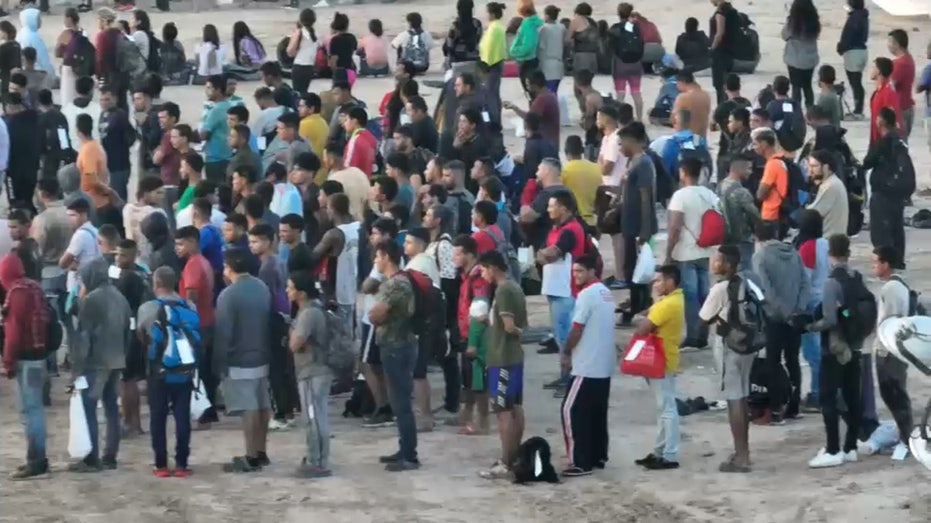
Biden’s reversal of these policies invited chaos. Starting on Inauguration Day, he dismantled the border wall, axed the very successful “Remain in Mexico” policy, and allowed catch-and-release numbers to balloon. Over 10 million encounters with illegal immigrants followed, including surges from terrorism-prone nations. Apprehensions of Iranians skyrocketed: Border Patrol arrested 1,504 Iranian nationals from fiscal year 2021 to 2024—a twentyfivefold leap from the two prior decades.
CLICK HERE FOR MORE FOX NEWS OPINION
Alarmingly, 729 of them were released into the United States, often after scant vetting amid overwhelmed systems. This wasn’t mere oversight; policies such as expanded asylum loopholes and deportation reluctance effectively welcomed risks. In June 2025, ICE rounded up 11 Iranians illegally present in the country, including a former army sniper, a Revolutionary Guard member, and a Hezbollah affiliate — all of whom had slipped in during Biden’s tenure. Intelligence flagged 35 more Iranians plotting cartel-aided crossings that same month.
These entrants expanded Iran’s base of sympathizers and potentially provided support for assets of the Iranian regime. Border Czar Tom Homan decried the fueling of “sleeper cells,” a sentiment echoed in DHS alerts about Iran’s use of proxies amid escalating conflicts. Biden’s approach to immigration didn’t just strain resources; it extended an invitation to adversaries. As one national security expert put it, U.S. borders became a “sieve” through which global threats could pass. Hezbollah’s long-standing Latin American hubs funneled operatives north, exploiting the lax border enforcement.
Today, with Khamenei dead and Iran’s regime cornered, desperation mounts. Trump warns of Tehran’s nuclear brinkmanship. Experts foresee retaliation against the U.S. homeland through infiltrated cells — cells likely planted during the Biden administration. Texas Governor Greg Abbott urges vigilance against “sleeper cells or lone wolves,” and former Deputy Director of the FBI Andrew McCabe calls for elevated alerts over infiltration. A recent shooting in Austin, Texas, tied to an Iran-linked suspect heightens fears of terrorist attacks at home.
The explosion of risk is profound. In 2020, Iran’s dearth of assets spared the homeland. Now, Biden’s immigration policies have stocked a tinderbox of sympathizers and unknowns, ready for conflagration. Averting – or at least minimizing – disaster requires sealing the borders, reviving stringent vetting and expelling threats. These are all steps the Trump administration has pursued aggressively, but we must commit to maintain such a course for years to come and never let our country inflict such risks upon itself ever again.
CLICK HERE TO READ MORE BY KEN CUCCINELLI
Latest & Breaking News on Fox News
About the Author
