Donald Trump has said the US will begin a blockade of the strait of Hormuz, after ceasefire talks with Iran ended without an agreement over the weekend.
The strait has emerged as Iran’s most effective weapon in its asymmetric war with the US. Since 28 February, the US and Israel have pounded Iran, striking thousands of targets and killing dozens of the country’s most senior leaders. Iran has responded by effectively closing the strait – a vital waterway through which about 20% of global oil moves though in normal times – driving up oil prices and fuelling fears of a surge in inflation.
The threat from the president has now left global markets in another period of uncertainty, after they ended last week optimistic that negotiations between Washington and Tehran might result in an end to the chaos that has wracked the world economy for more than six weeks.
-
1. What has Trump announced about the strait of Hormuz blockade
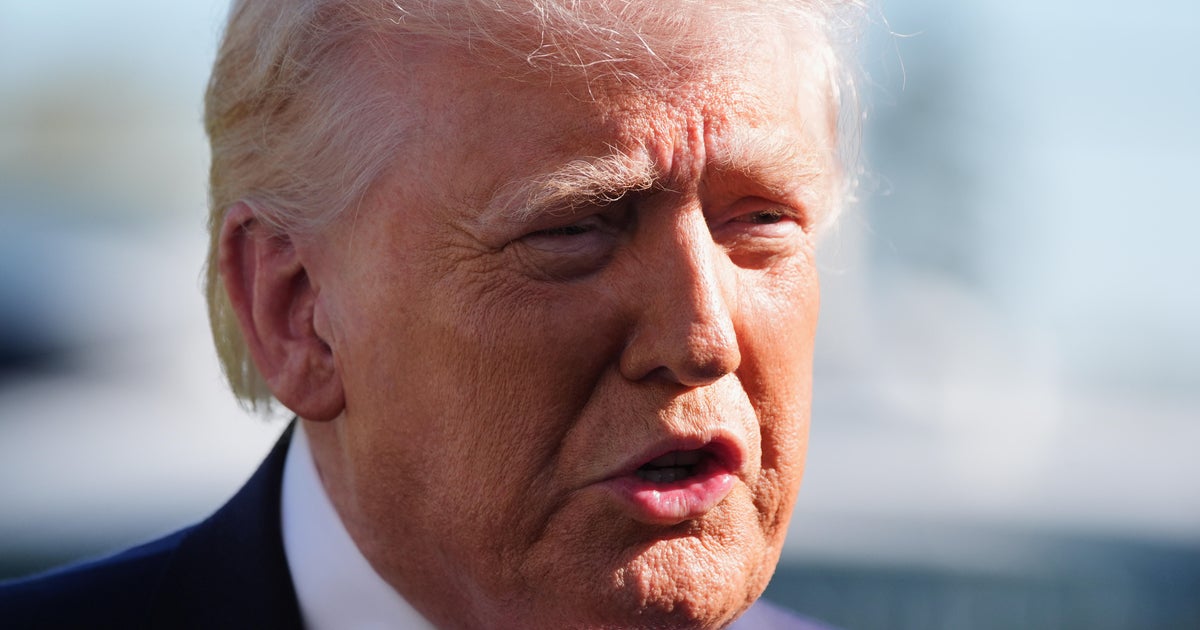
On Sunday, the president posted to social media: “The United States Navy, the Finest in the World, will begin the process of BLOCKADING any and all Ships trying to enter, or leave, the Strait of Hormuz.”
Accusing Iran of “WORLD EXTORTION”, Trump threatened said any person who attacked the US vessels would be “BLOWN TO HELL!”
Trump’s sweeping threat to blockade “any and all” ships appeared to have been scaled down hours after his announcement, after US Central Command (Centcom) saying the blockade would be confined to vessels transiting through Iranian ports – and that it would permit passage of ships headed to ports belonging to America’s Gulf allies.
Centcom said the blockade would come into effect at 10am ET (2pm GMT).
Trump told Fox News that allies, many of whom he has criticised for failing to back the war, wanted to help with the operation in the strait. The Guardian understands the UK will not be involved in any blockade of the strait and Australian prime minister Anthony Albanese has said the country was not asked to participate.
-
2. Why would Trump threaten to block the strait of Hormuz if his goal is to reopen it?
Reports indicate that the reopening of the strait was one of the major sticking points in the weekend negotiations between the US and Iran. Tehran has indicated that it would like to retain control of the waterway after the war has finished, and has floated a plan to charge a fee of up to $2m a ship that transit through the waterway. Trump and other world leaders have rejected such a plan as an attack on “freedom of navigation.”
Despite Trump’s claims that reopening the waterway is not his responsibility, the president is under pressure to resolve the issue before the continued closure of the strait unleashes an even greater crisis for the global economy.
If Trump’s strategy succeeds, he will eliminate Iran’s greatest point of leverage in negotiations and clear the strait again for global trade, potentially lowering oil prices.
-
3. How would the blockade work?
The US military has not offered many details yet, including how many warships will enforce it, whether warplanes will be used and whether any Gulf allies will assist in the effort.
Experts say it’s unlikely the US military would fire missiles or other weapons at them, given the risk of an environmental disaster. The most likely option is the US navy will try to force vessels to change course through threats, and if that doesn’t work, they will launch armed boarding parties to take physical control of the ships, experts say.
“Trump wants a quick fix. The reality is, this mission is difficult to execute alone and likely unsustainable over the medium to long-term,” said Dana Stroul, a former senior Pentagon official during the Biden administration now at the Washington Institute for Near East Policy.
-
4. What will the blockade do to the oil price?
Experts say the blockade could lead to higher oil prices but much depends on its “scope and implementation.”
Kevin Book, the managing director of research at research firm ClearView Energy Partners, said that leaner volumes generally mean tighter markets and higher prices. “How Tehran responds matters, too. Iranian and/or Houthi reprisals against Gulf producers’ alternative routes could drive prices still higher,” Book said.
By closing the strait to vessels carrying Iranian oil Trump could cut off one of the regime’s major sources of funding – but it could also have a short-term negative effect on global prices.
About 100 tankers have transited the strait since the US and Israel started bombing Iran, most of them carrying Iranian oil products bound for China and India. The US has allowed Iran to continue these exports – and even lifted sanctions on Iranian oil at sea – in a bid to ease supply pressures. The hope was that continued supplies of Iranian oil could help keep prices in check, despite those profits going directly to the Iranian regime. Throttling those supplies could send prices higher still.
After Trump’s announcement the price of US crude increased 8% to $104.24 a barrel and Brent crude oil rose 7% to $102.29. Brent crude, the international standard, has gone from roughly $70 per barrel before the war in late February to as high as $119 over the course of the conflict.
-
5. What now for the US-Iran war ceasefire?
Iran’s Revolutionary Guards has said if any warships that approach the strait to enforce a blockade would be considered in breach of the current ceasefire and would be dealt with strongly. They insisted the strait remained under Iranian control.
Trump on Sunday floated the possibility of a resumption of US strikes inside Iran, citing missile factories as one possible target. The Wall Street Journal reported that his administration was considering resuming strikes as a way to break the stalemate in peace talks.
The Guardian wp:paragraph
هلدینگ کاسپین استانبول | خرید ملک در ترکیه | صرافی معتبر ایرانی در ترکیه | خرید و فروش طلا در ترکیه | مهاجرت به ترکیه | واردات و صادرات در ترکیه | نیازمندیهای ترکیه | اخبار ترکیه | اخبار جهانی | توریست ایران | خدمات توریستی در ایران | تورهای گردشگری ایران | هلدینگ اول | خدمات کاریابی و فریلنسری و شغل | مرجع اطلاعات ایران (همه چیز در ایران) | کیف پول و خدمات مالی و پرداخت یار | اخبار ایران | تابلو زنده قیمت ارز در ترکیه و استانبول | صرافی آنلاین ترکیه | قیمت طلا و نقره در ترکیه | سرمایه گذاری در ترکیه | جواهرات در ترکیه | نرخ لحظه ای ارزها در استانبول | قیمت دلار امروز در ترکیه | قیمت دلار استانبول امروز | قیمت لحظه ای دلار | اخبار روز ترکیه استانبول | اپلیکیشن ISTEX | اپلیکیشن قیمت لحظه ای دلار و یورو و لیر و ارزها در ترکیه
/wp:paragraph wp:paragraph /wp:paragraph
About the Author