Türkiye’s defense industry is no longer an emerging story. It is no longer news how large, scalable and increasingly successful it has become.
The sector’s transformation is now reflected in numbers that would maybe have been difficult to imagine two decades ago. Defense and aerospace exports surpassed the $10 billion threshold in 2025, rising 48% from the previous year, and exceeded $11 billion on a rolling 12-month basis as of June 2026.
But what lies behind these figures and how the Turkish defense industry and its ecosystem operate?
Let’s break it down – starting from the transformation process and one organization that ties it all together.
Striking transformation
Türkiye has spent decades trying to reduce its dependence on foreign defense suppliers. An intensive drive toward modernization and security, alongside Western embargoes, has served as a catalyst for the development of an industry that now produces a wide range of products.
The industry now carries a broad ecosystem of companies that produce products from unmanned systems, advanced aircraft, naval platforms, to armored vehicles, missiles, air defense, electronics, engines and cybersecurity solutions.
Starting with the establishment of companies such as Aselsan and Havelsan in the 1970s and 1980s to relatively younger players in the field, such as drone maker Baykar, the Turkish defense industry is now positioned as the 11th largest supplier globally with contracts and operations reaching regions as far as Latin America and Southeast Asia.
The localization push has led the country to curb its foreign dependence from roughly 80% in the early 2000s to below 20% today.
And today, when talking about the Turkish defense industry and the transformation it has undergone, one of the key names that stands out is the Presidency of Defense Industries (SSB).
SSB was founded in 1985 as the Defense Industry Development and Support Administration Office (SaGeB) under the National Defense Ministry.
SSB as an umbrella for the sector
SSB is the Turkish government’s main institution for developing and strengthening the country’s defense industry.
Restructured as the Presidency of Defense Industries under the Presidency of the Republic of Türkiye in 2018, the organization is responsible for planning and managing major defense procurement and industrial-development programs.
SSB acts as a bridge between the Turkish state and the domestic defense industry, helping translate the security and modernization requirements of the Turkish Armed Forces (TSK) into long-term technology, production and procurement programs.
It also serves as an umbrella organization for thousands of companies operating in the sector, as it organizes and consolidates the national defense industry according to requirements, while also working on several other tasks: it coordinates the exports, monitors whether the produced goods comply with the contract content and plans the production of required modern weapons, among others.
How is the industry structured?
While SSB operates as a leading institution that brings all actors together, Türkiye’s defense industry operates under a few layers where SSB and the Defense Industry Executive Committee stand at the very top, deciding on priorities, plans, spending and strategy.
They are followed by prime contractors, where names such as Turkish Aerospace Industries (TAI), Aselsan, Baykar, Roketsan, MKE and other prominent companies find their place.
Then the leading companies are followed by hundreds of smaller subsystem and technology firms, which work on the production of equipment, engines, propulsion, materials, as well as suppliers, which support the major programs.
Leading companies
While mentioning the prime contractors, which are the main brands behind the Turkish defense industry’s success story, let’s list some of them:
- Aselsan, one of the developers of the “Steel Dome,” is central to Türkiye’s electronics ecosystem, with activities spanning radar, electronic warfare, communications, electro-optics and other systems.
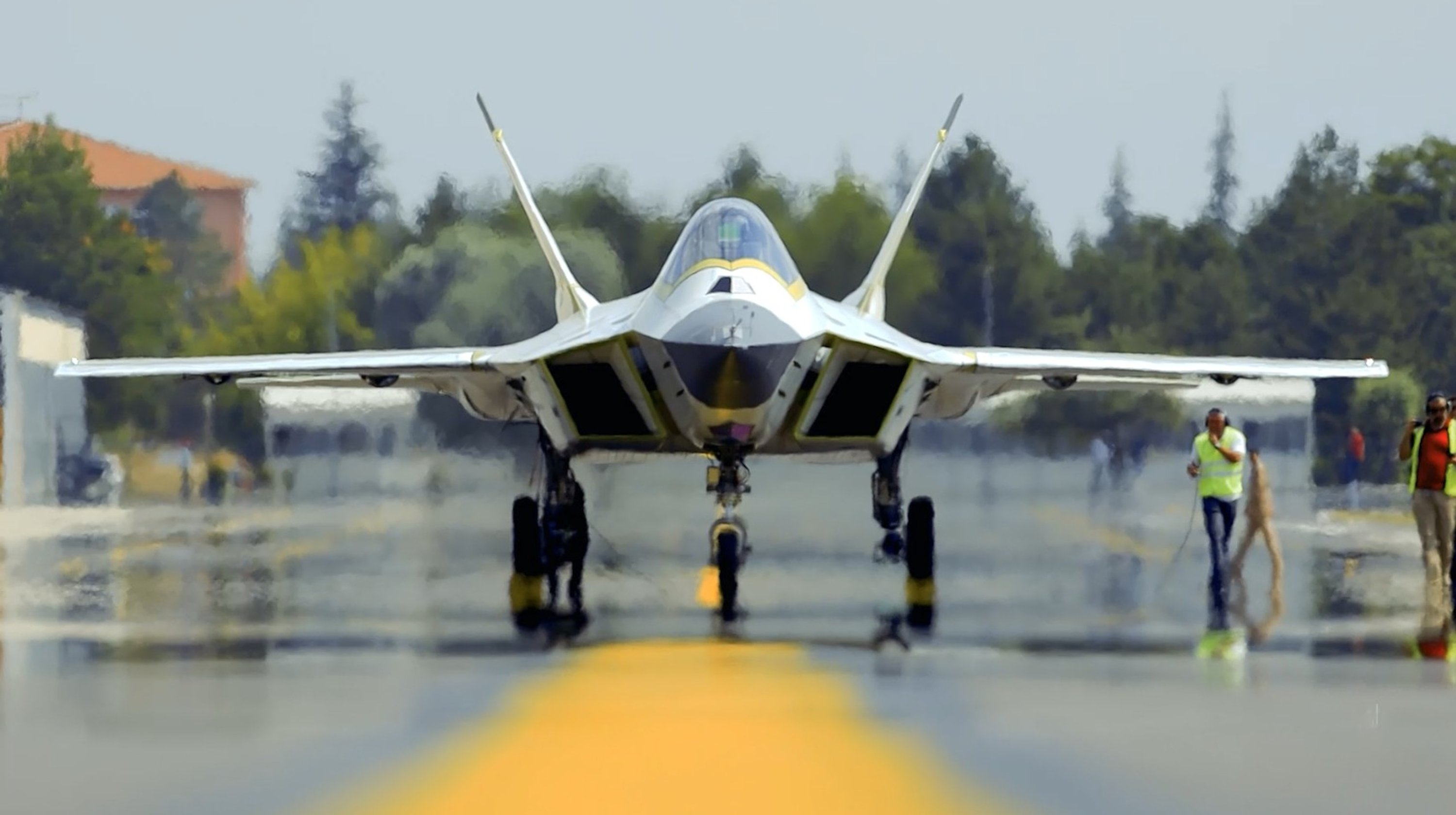
- TAI is a major aerospace player, covering aircraft, helicopters, unmanned systems and the national fighter program – Kaan.
- Baykar has become particularly important to Türkiye’s international defense profile through unmanned aerial systems, with its drones being exported to dozens of countries so far.
- Roketsan is a major player in missiles, rockets and related weapons technologies.
Flagship projects
Some of these companies are behind major projects, closely watched not only domestically but in the international arena.
Ankara-based TAI is known for several distinct projects apart from Kaan, including Hürjet light attack aircraft, Anka medium-altitude, long-endurance (MALE) unmanned combat aerial vehicle and T-625 Gökbey helicopters.
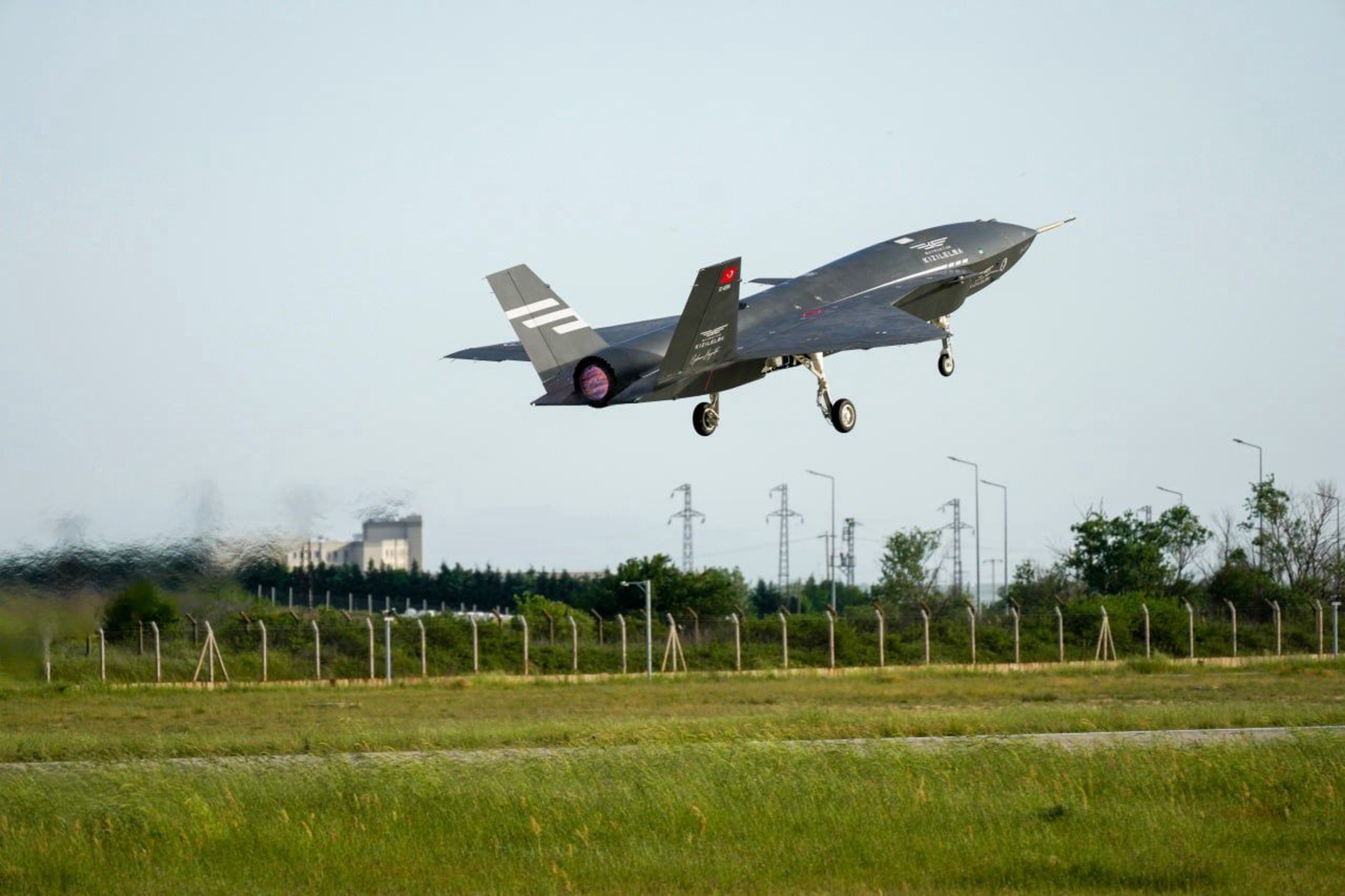
Baykar, which is globally recognized mainly for its Bayraktar TB2 drones also develops its more advanced version, which can fold wings – Bayraktar TB3, in addition to Bayraktar Akıncı combat vehicles and Kızılelma jet.
Moreover, one of the flagship projects also includes Türkiye’s first amphibious ship, TCG Anadolu, which is also a drone carrier, making it quite unique in this regard.
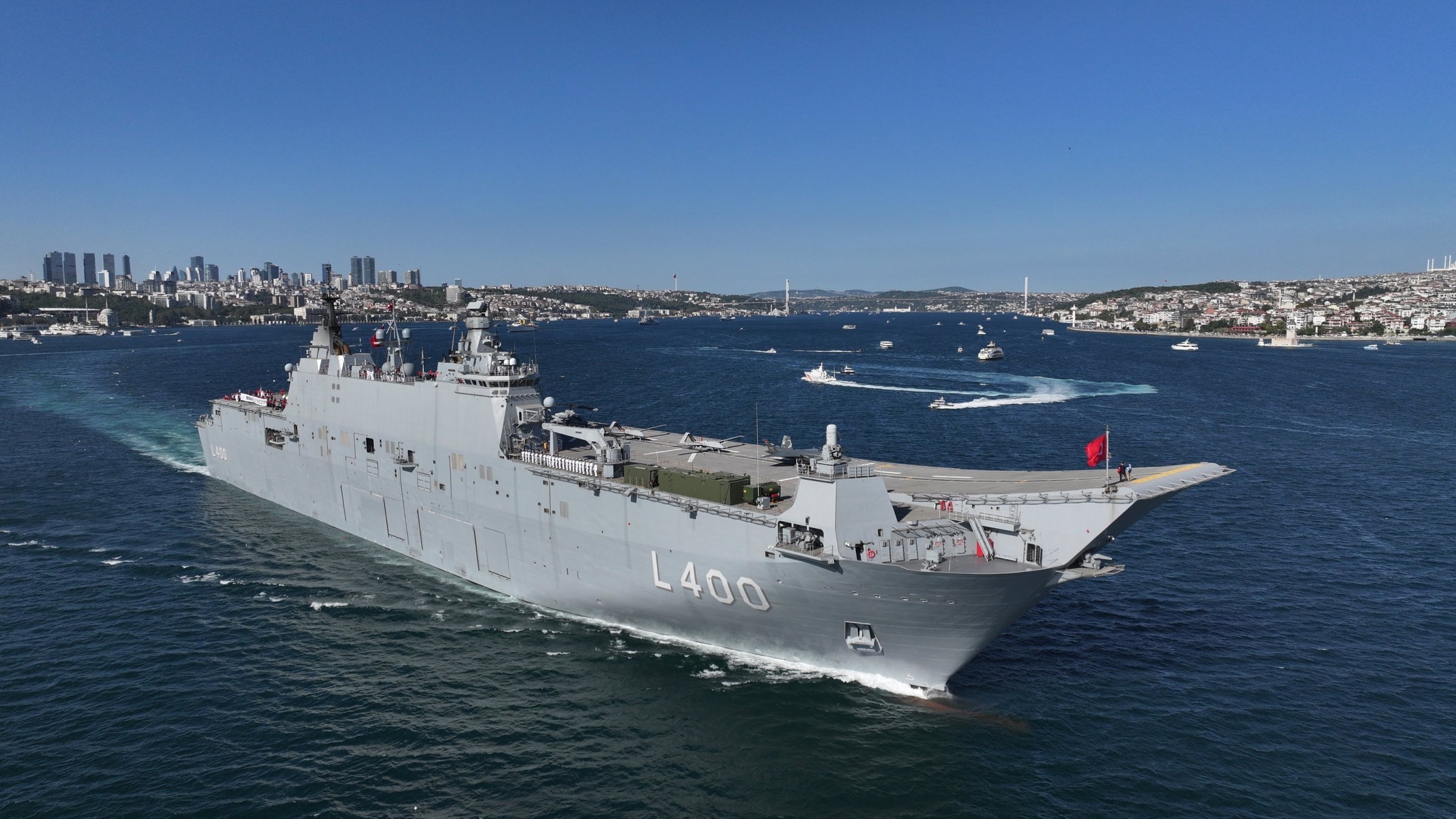
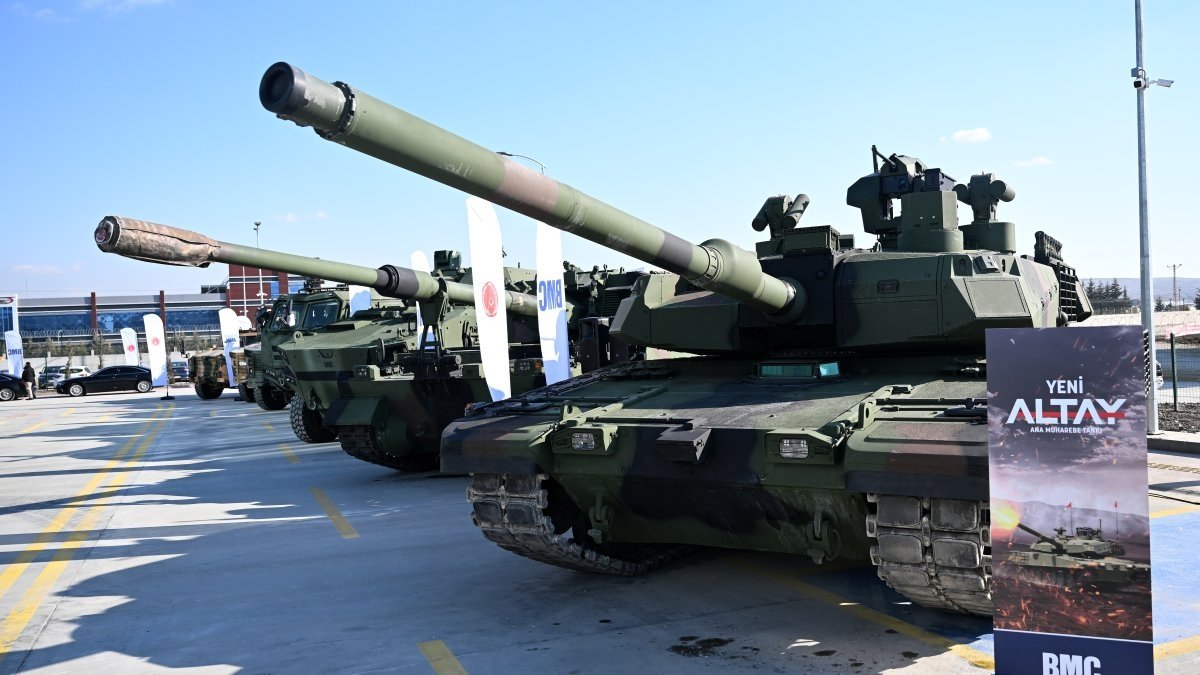
Looking at land projects, the development of the main battle tank, Altay, which entered the inventory of security forces last year, is one of key that stand out.
In the naval domain, the MILGEM project and the Istanbul-class frigates production and development prevail.
Among others, notable initiatives also include Hisar and Siper defense systems. Hisar and Siper are indigenous, layered surface-to-air missile defense families developed jointly by Aselsan, Roketsan, and TÜBITAK SAGE to form Türkiye’s integrated air defense network, also known as the “Steel Dome.”
Defense exports and international expansion
The country, which once faced difficulties in accessing some Western systems, has, over time, witnessed its industry scale that its overseas shipments have increased by 40-fold in about two decades.
From modest levels of approximately $250 million in 2002, the export volume climbed to over $10 billion in 2025, according to SSB data.
Türkiye has found partners that look for its equipment in different regions, from Gulf countries to Europe, including many of its NATO allies.
However, its defense industry is no longer defined simply by its effort to replace imported weapons with locally produced alternatives or as being an affordable supplier to friendly and allied nations.
The Turkish defense industry has a strong industrial base capable of developing advanced platforms, producing critical subsystems domestically and competing for international contracts. At the same time, it is moving into emerging fields such as autonomy, artificial intelligence and cyber technologies.
DAILYSABAH
هلدینگ کاسپین استانبول | خرید ملک در ترکیه | صرافی معتبر ایرانی در ترکیه | خرید و فروش طلا در ترکیه | مهاجرت به ترکیه | واردات و صادرات در ترکیه | نیازمندیهای ترکیه | اخبار ترکیه | اخبار جهانی | توریست ایران | خدمات توریستی در ایران | تورهای گردشگری ایران | هلدینگ اول | خدمات کاریابی و فریلنسری و شغل | مرجع اطلاعات ایران (همه چیز در ایران) | کیف پول و خدمات مالی و پرداخت یار | اخبار ایران | تابلو زنده قیمت ارز در ترکیه و استانبول | صرافی آنلاین ترکیه | قیمت طلا و نقره در ترکیه | سرمایه گذاری در ترکیه | جواهرات در ترکیه | نرخ لحظه ای ارزها در استانبول | قیمت دلار امروز در ترکیه | قیمت دلار استانبول امروز | قیمت لحظه ای دلار | اخبار روز ترکیه استانبول | اپلیکیشن ISTEX | اپلیکیشن قیمت لحظه ای دلار و یورو و لیر و ارزها در ترکیه
About the Author