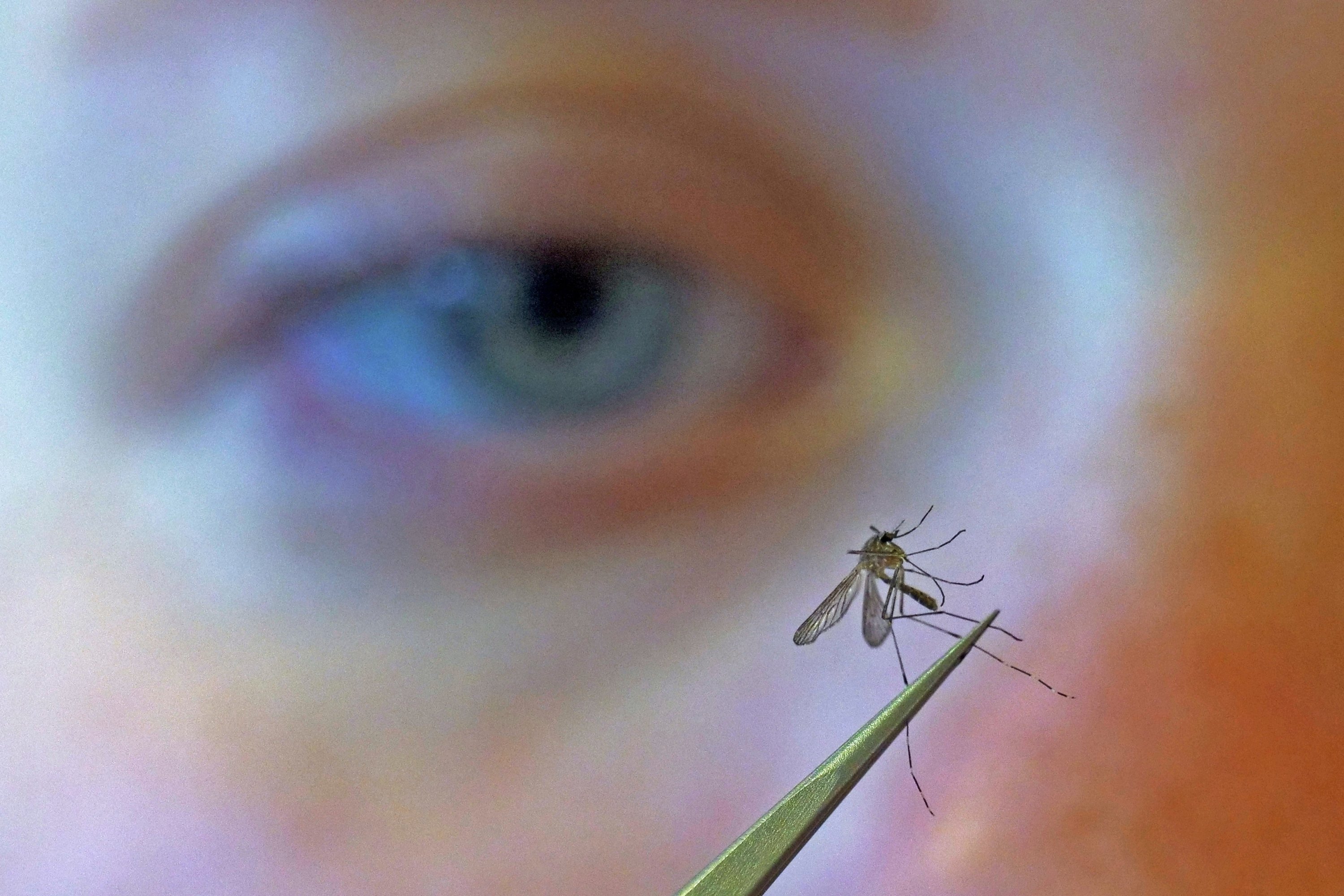
Greek authorities have stepped up fumigation in Athens as the country reported a “significant” rise in West Nile virus infections, which have killed nine people so far, the state health administration said Thursday.
The EODY agency said 45 new cases of the mosquito-borne virus had been recorded over the past week, raising total infections to 110 from the beginning of the year.
Out of these, 81 developed severe complications to the central nervous system and nine persons over the age of 65 have died, EODY said in a statement.
The virus can cause symptoms similar to those of the flu, but in extreme cases, it can result in tremors, fever, comas and a lethal swelling of the brain tissue known as encephalitis. It can also cause meningitis.
Infections are particularly intense in the greater Athens area, EODY said.
Greater Athens Gov. Nikos Hardalias this week said fumigation around the capital and its outskirts was ongoing and had increased by 30 percent.
First discovered in Uganda in 1937, the virus is carried by birds and spread to humans by mosquitoes. It is indigenous to Africa, Asia, Europe and Australia.
At the end of July, the World Health Organisation (WHO) noted that Greece had recorded the largest recent increase in infection cases on the European continent.
In Europe, most human infections occur during mosquito season, which generally runs from late spring to autumn, with a peak in transmission between July and September.
The WHO has said there is no approved human vaccine and no specific treatment for the virus.
Care is limited to managing symptoms and providing supportive hospital treatment for severe cases.
Other infection cases have been observed elsewhere in Europe, in Italy, Spain, North Macedonia and Romania.