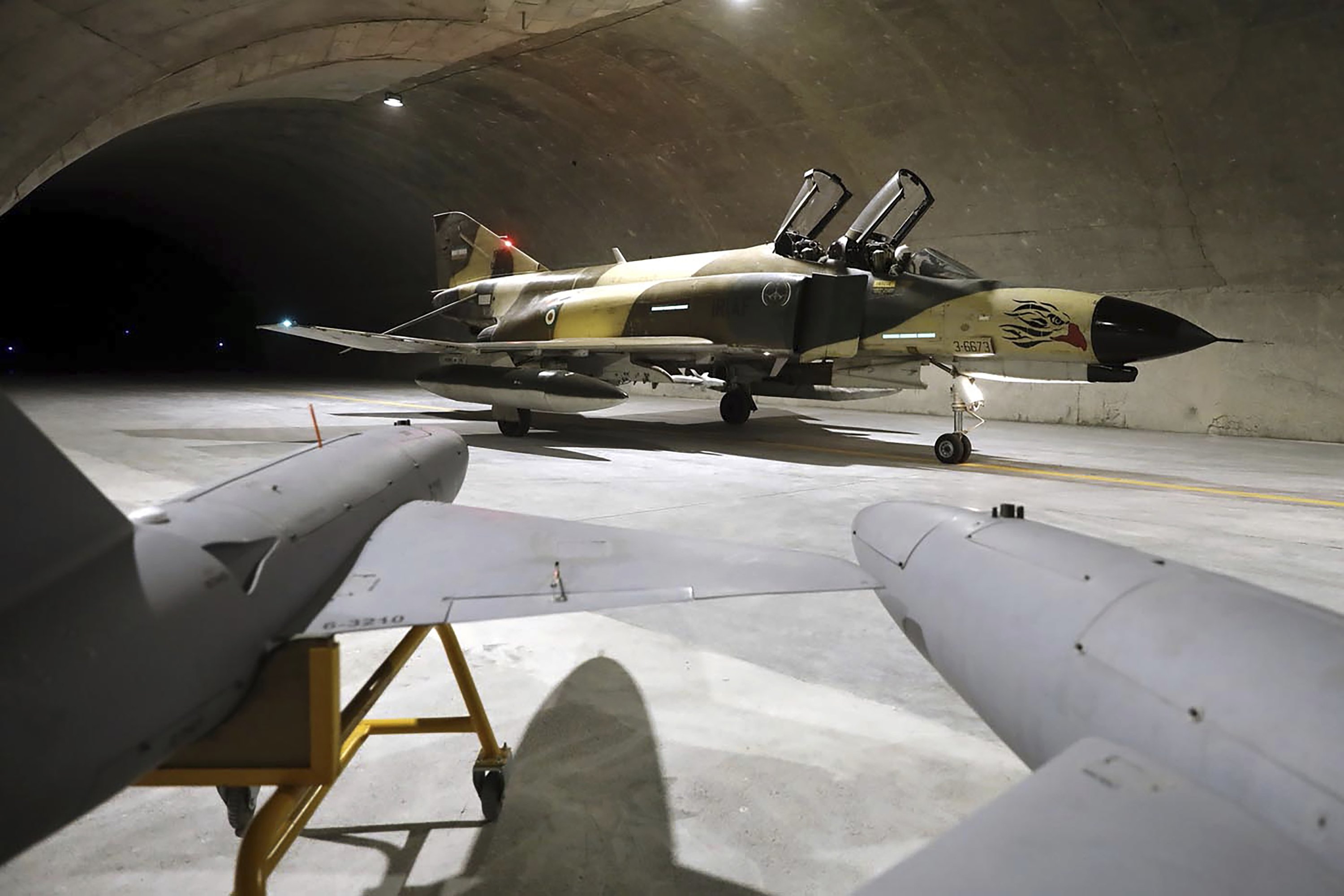
Iran has formally accused Qatar of holding three Iranian military pilots as prisoners of war for about six months and has asked the International Committee of the Red Cross to intervene, in the latest dispute stemming from a March aerial clash during the wider regional conflict.
Brig. Gen. Mohammad Bagherzadeh, who heads the Iranian Armed Forces General Staff committee responsible for missing personnel, made the claim in a letter dated Aug. 15, 2026, to ICRC President Mirjana Spoljaric Egger. Iranian media published the letter, which was also reported by several international outlets.
The allegation marks the first public confirmation by Iranian authorities that three pilots who disappeared after their aircraft were shot down in Qatar are alive and allegedly being held by Qatari forces.
Three pilots allegedly held since March
According to Bagherzadeh’s account, two Iranian Air Force Su-24 fighter-bombers were dispatched on March 2 on a mission against what Tehran described as an “enemy military base” in Qatar.
The target was widely identified as Al Udeid Air Base, a major U.S. military installation that hosts American forces and serves as a key regional hub for U.S. Central Command.
Iran says the aircraft completed their mission but were intercepted or struck by air defenses while returning. The crews ejected over or near Qatari territory.
One of the four crew members, Majid Kazemi, was killed. His remains were later recovered, identified through DNA testing and returned to Iran. He was buried with military honors in Shiraz in late July.
Bagherzadeh identified the three surviving pilots as Javad Salehi, Abdolmajid Dashtian and Omran Behraveshian.
He said Qatari forces captured the three after they ejected and have held them ever since, meaning they have allegedly spent roughly six months in custody.
Iranian officials had previously said the pilots’ fate remained unclear. Earlier in August, Army spokesman Brig. Gen. Mohammad Akraminia said Tehran was still seeking information about the missing personnel and indicated that Qatar had said it had no information about them.
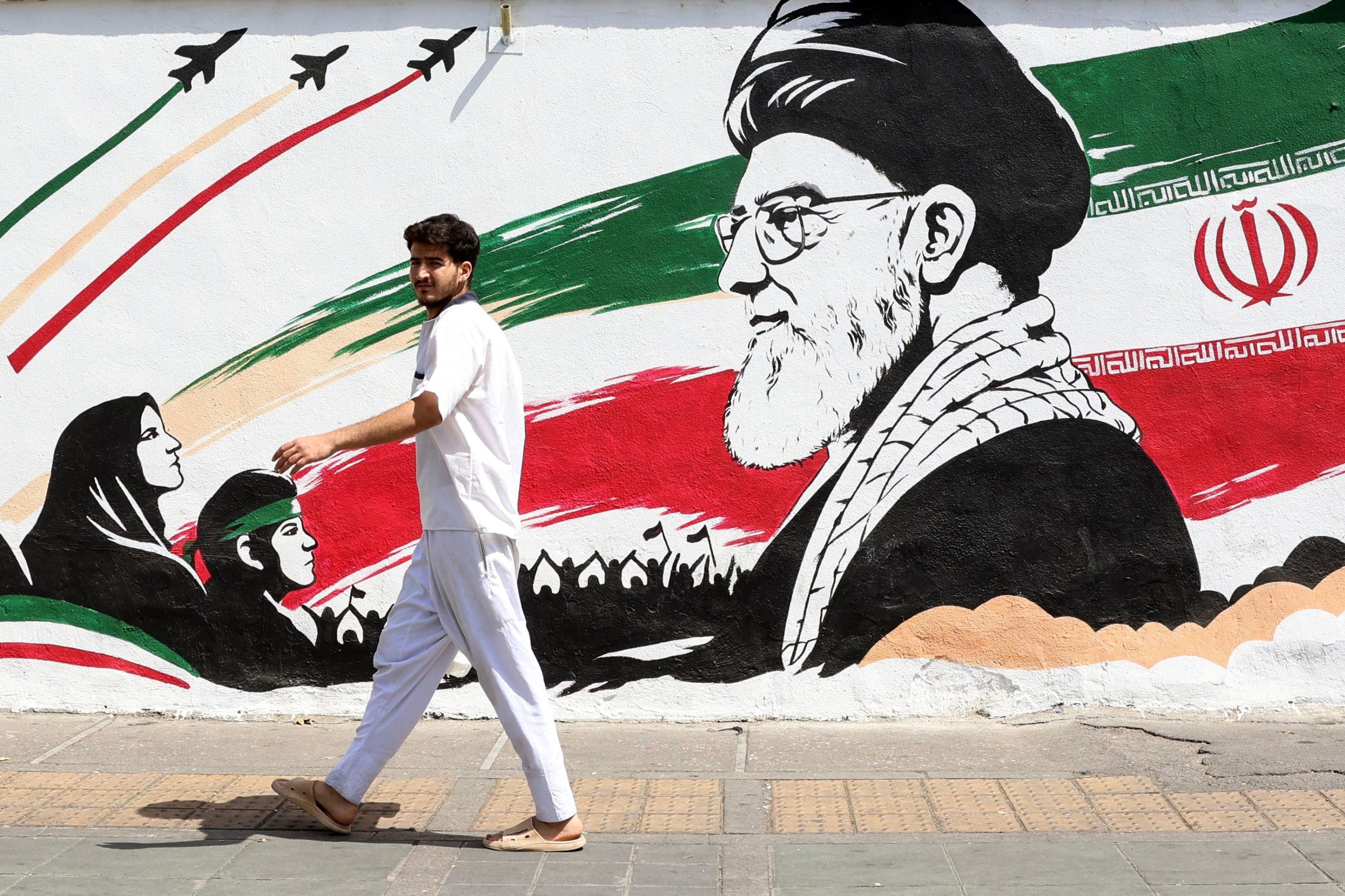
The latest letter represents a significant shift in Iran’s public account.
Violating POW protections
Bagherzadeh accused Qatar of violating international humanitarian law and the protections afforded to prisoners of war under the Geneva Conventions.
According to the Iranian account, the three pilots have not been permitted to contact their families, Iranian officials or other authorized representatives during their alleged detention.
Iran also claims Qatar has prevented the pilots from informing their relatives of their status and has failed to provide access that Tehran says is required under international humanitarian law.
The Iranian military official called on the ICRC to urgently arrange visits to the pilots, assess their health and detention conditions, report the findings to Iranian authorities and help facilitate their release.
The appeal places the dispute directly before the ICRC, which plays a central role in protecting and monitoring the treatment of prisoners of war and other people affected by armed conflict.
Skies over Qatar
The March confrontation occurred during a wider regional conflict that began with U.S. and Israeli strikes against Iran on Feb. 28, followed by Iranian missile and drone attacks against targets across the region, including in Gulf states.
Independent reports at the time said the two Iranian Su-24s flew at extremely low altitude as they approached targets in Qatar, apparently attempting to avoid radar detection.
The aircraft were reportedly carrying bombs and guided munitions and were believed to be only minutes from their targets when Qatari forces detected them.
Qatar said its forces warned the aircraft by radio but received no response. The bombers were subsequently identified as hostile and engaged.
A Qatari F-15QA fighter shot down the Iranian aircraft in what was described as Qatar’s first air-to-air combat engagement of the conflict. The planes crashed into Qatari territorial waters, prompting search and rescue operations for their crews.
U.S. officials, including then-Chairman of the Joint Chiefs of Staff Gen. Dan Caine, also acknowledged that Qatari fighters had shot down the Iranian bombers.
Qatar has yet to respond
There was no immediate public response from Qatari authorities specifically confirming or denying Iran’s allegation that the three pilots remain in Qatari custody.
Iranian officials had previously said Qatar denied having information about the missing airmen.
The lack of an immediate Qatari response leaves key questions unresolved, including the pilots’ current whereabouts, their condition and whether they have been formally recognized or treated as prisoners of war.
A new pressure point
Iran’s appeal to the ICRC adds a new international dimension to an incident that had remained largely unresolved since the March shootdown.
For Tehran, the issue is no longer simply about missing military personnel. Its letter frames the pilots’ alleged detention as a matter of international humanitarian law and demands outside access to verify their welfare and treatment.
The claims, however, have not been independently verified. The pilots’ current status and conditions remain unclear pending a response from Qatar or confirmation from the ICRC.
DAILYSABAH
هلدینگ کاسپین استانبول | خرید ملک در ترکیه | صرافی معتبر ایرانی در ترکیه | خرید و فروش طلا در ترکیه | مهاجرت به ترکیه | واردات و صادرات در ترکیه | نیازمندیهای ترکیه | اخبار ترکیه | اخبار جهانی | توریست ایران | خدمات توریستی در ایران | تورهای گردشگری ایران | هلدینگ اول | خدمات کاریابی و فریلنسری و شغل | مرجع اطلاعات ایران (همه چیز در ایران) | کیف پول و خدمات مالی و پرداخت یار | اخبار ایران | تابلو زنده قیمت ارز در ترکیه و استانبول | صرافی آنلاین ترکیه | قیمت طلا و نقره در ترکیه | سرمایه گذاری در ترکیه | جواهرات در ترکیه | نرخ لحظه ای ارزها در استانبول | قیمت دلار امروز در ترکیه | قیمت دلار استانبول امروز | قیمت لحظه ای دلار | اخبار روز ترکیه استانبول | اپلیکیشن ISTEX | اپلیکیشن قیمت لحظه ای دلار و یورو و لیر و ارزها در ترکیه
About the Author