Twenty-seven years have passed since the devastating Aug. 17, 1999, Marmara earthquake, one of the deadliest disasters in Türkiye’s history, as the country continues to strengthen urban transformation efforts and disaster preparedness.
The magnitude 7.4 earthquake struck at 3:02 a.m., with its epicenter in Gölcük, in the northwestern province of Kocaeli, lasting 45 seconds and causing widespread destruction across Kocaeli, Sakarya, Yalova and Düzce in northwestern Türkiye, as well as Istanbul. Official figures show that 17,480 people lost their lives and 43,953 were injured, while nearly 200,000 people were left homeless. Around 66,000 homes and nearly 11,000 workplaces were destroyed, affecting close to 16 million people across the Marmara region.
The disaster remains a turning point in Türkiye’s approach to earthquake resilience, prompting sweeping reforms in building regulations, disaster management and urban planning. Commemoration ceremonies were held across the affected provinces early Monday at 3:02 a.m., the exact time the earthquake struck, as survivors and relatives of victims gathered to honor those who lost their lives.
In Istanbul, the earthquake claimed 981 lives, including victims transferred from neighboring provinces for treatment. Nearly 41,000 homes and workplaces were damaged, while more than 18,000 homes became uninhabitable due to moderate or severe structural damage.
Avcılar was the city’s hardest-hit district, where 270 people died and thousands of buildings suffered varying degrees of damage.
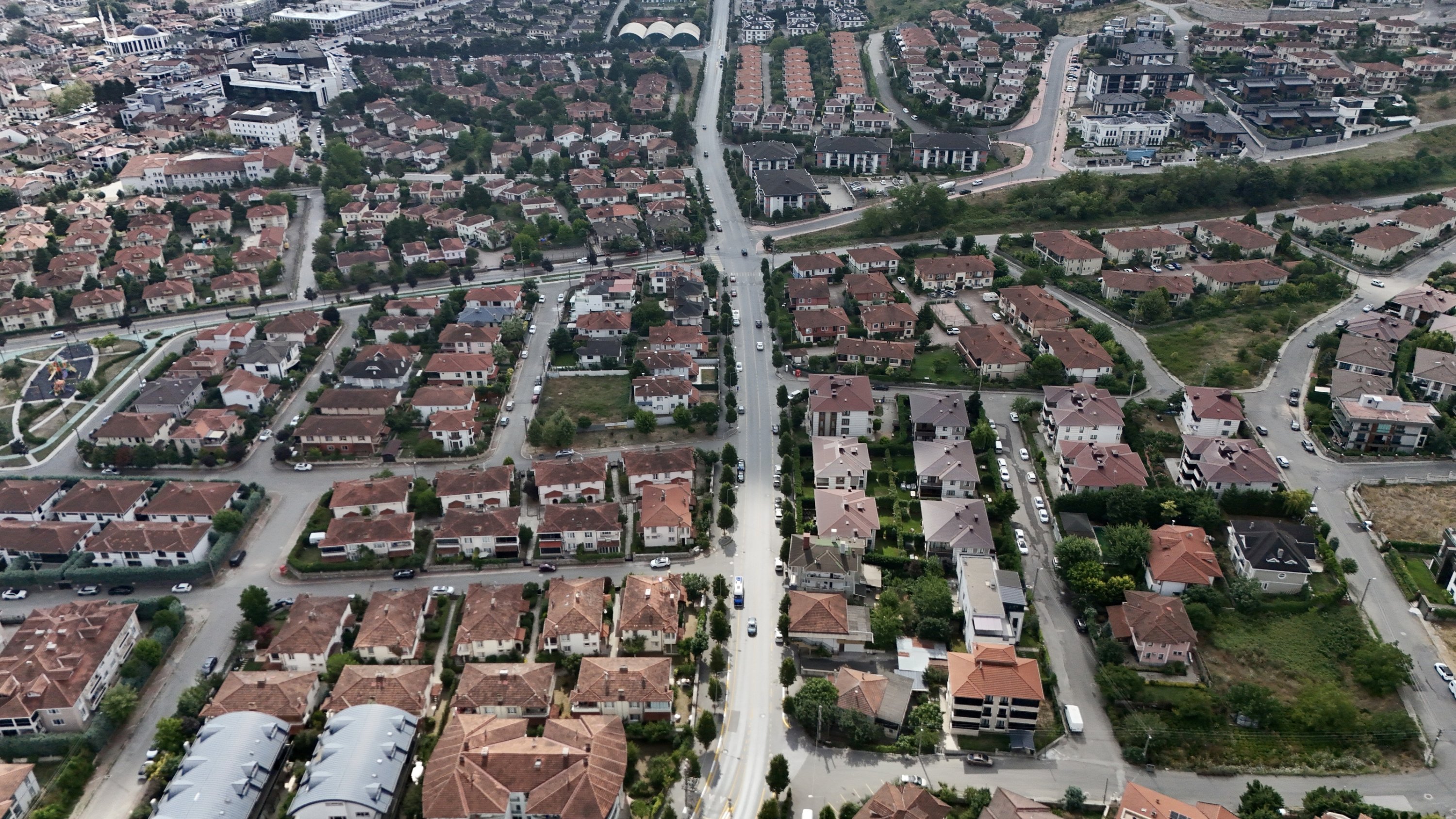
In the years that followed, the government, municipalities and the private sector launched extensive reconstruction and urban transformation projects across the Marmara region. Thousands of earthquake-resistant homes were built, while schools, hospitals and other public buildings were reinforced under updated seismic regulations.
Kocaeli, which recorded the highest death toll from the disaster with 9,477 fatalities, continues to renew its building stock through major urban transformation projects. The Cedit Neighborhood On-site Urban Transformation Project has reached 99% completion, with key handovers already underway, while redevelopment also continues in Gölcük’s Merkez neighborhood.
Sakarya, where 3,891 people lost their lives, has likewise expanded earthquake-resistant housing and maintained a policy favoring low-rise development. Urban transformation projects continue across the province, alongside investments in disaster preparedness infrastructure, including a dedicated Disaster Coordination Center.
Beyond reconstruction, both provinces have experienced significant economic growth since the disaster. Kocaeli has become Türkiye’s leading automotive export hub, while Sakarya has expanded its industrial base and increased annual exports to nearly $6 billion.