Ancient finds revive debate over Homer’s ties to Türkiye’s Izmir | Daily Sabah
The notion that Homer was from an area within Türkiye is being reassessed in light of written sources and archaeological finds.
Experts say there is no definitive archaeological proof, but accounts by ancient authors, depictions on Smyrna coins and a statue of Homer found at Klaros, an archaeological site in Türkiye’s Aegean province of Izmir, suggest the ancient city may have been associated with Homer.
The release of Christopher Nolan’s film “The Odyssey,” adapted from Homer’s epic poem, has once again drawn attention to the celebrated poet.
Homer is believed to have lived in the eighth century B.C. and is known for the “Iliad” and the “Odyssey.” In the works of authors including Herodotus, Strabo and Pausanias, he is described as being from Smyrna, the ancient name of Izmir.
His alternative name, Melesigenes, meaning “born of Meles” or “son of Meles,” has also been associated with the Meles River in Izmir.
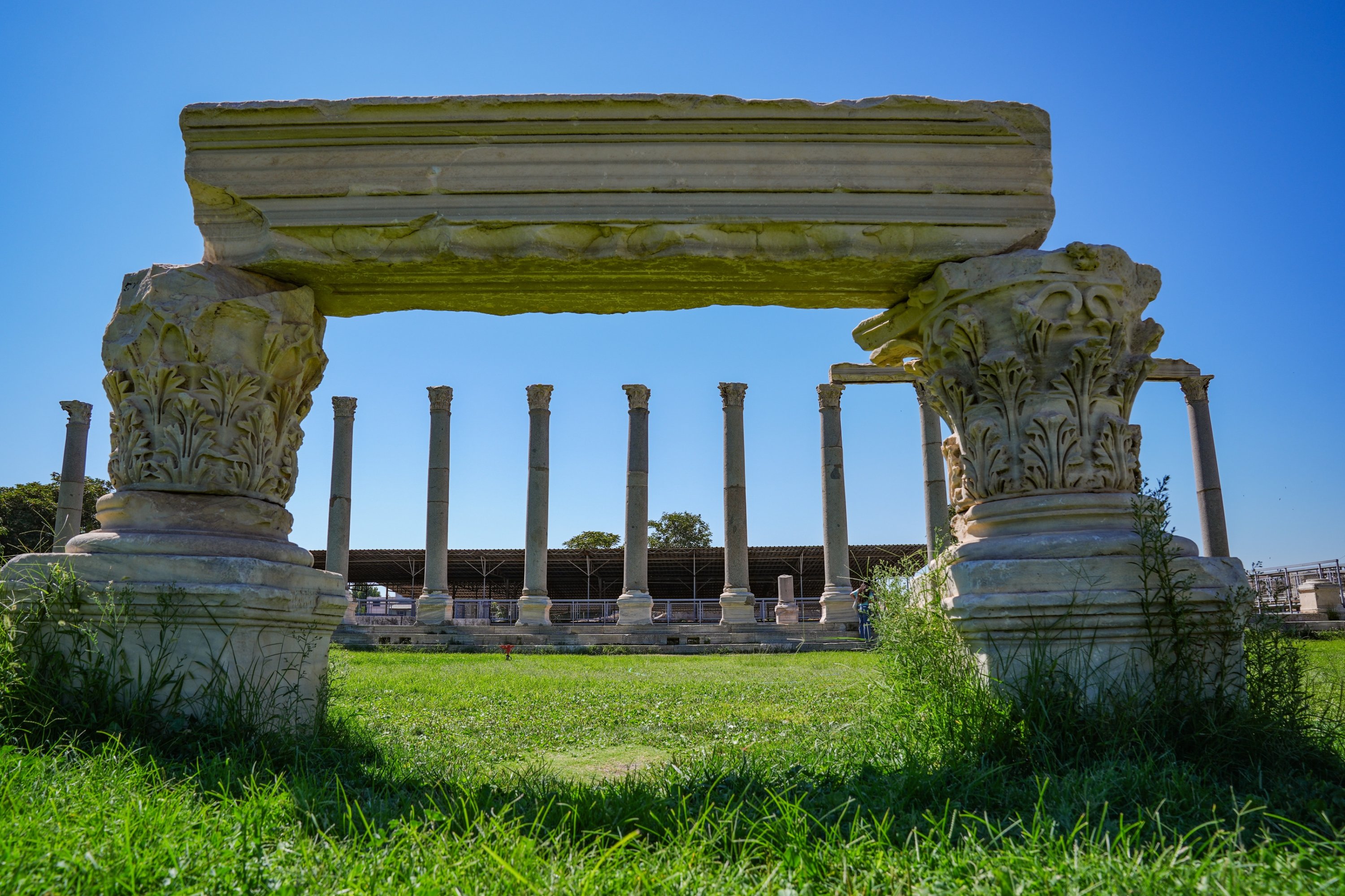
Scholars also point to the mixture of Ionic and Aeolic dialects in Homer’s works, noting that ancient Smyrna, located at present-day Bayrakli, stood at the boundary of the two cultures.
Centuries-old debate
Professor Aylin Umit Erdem of Ege University said the debate over Homer’s birthplace has been going on for centuries.
“From the fifth century B.C. onward, many ancient writers, particularly Herodotus and Strabo, tell us that Homer was from Smyrna,” she said.
Erdem noted that there is still no direct archaeological evidence proving Homer was born or lived in Smyrna.
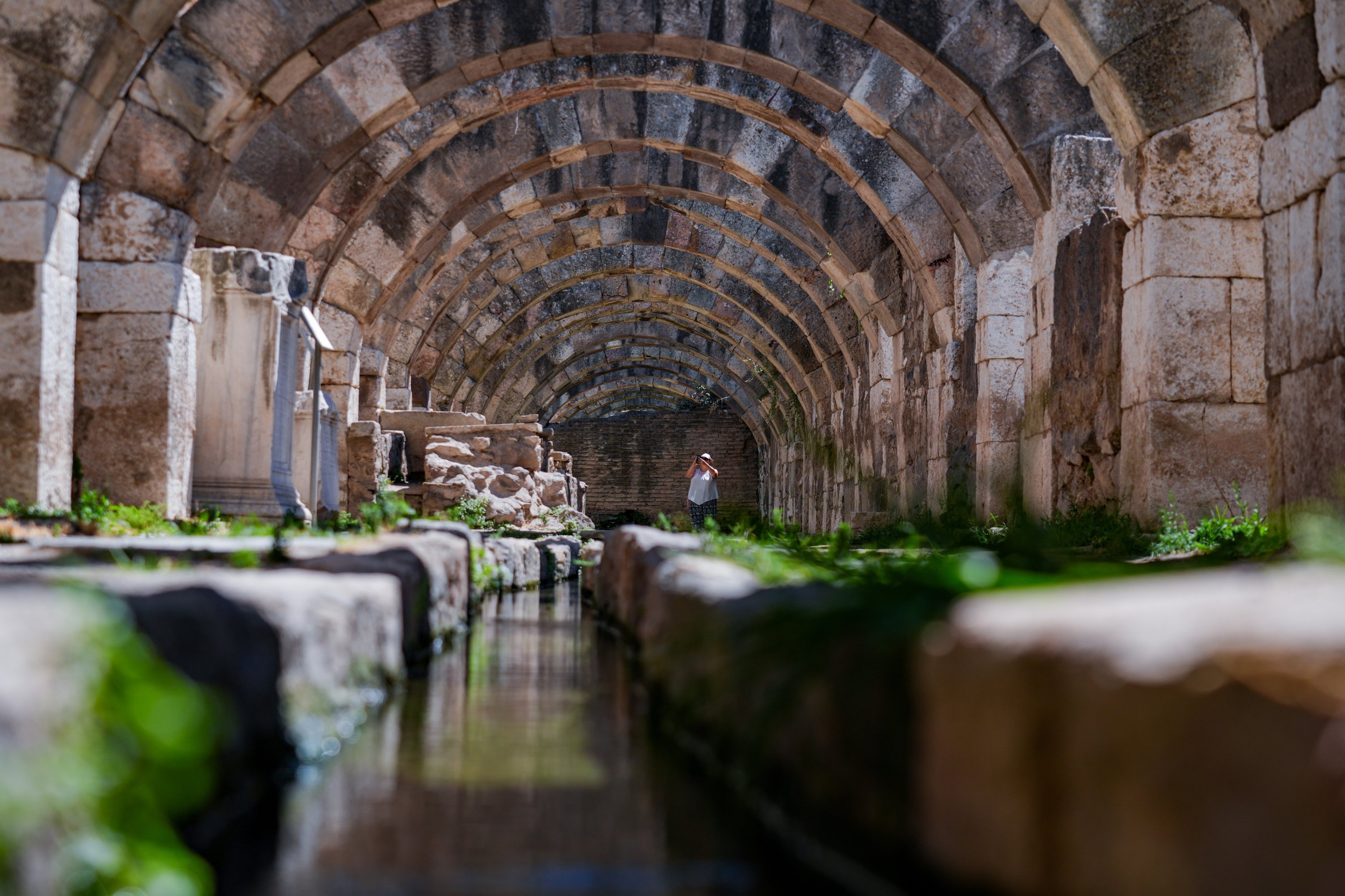
However, she said the available historical evidence makes it plausible that Homer may have walked the streets of ancient Smyrna and looked out over the Gulf of Izmir while composing his epics.
Professor Akin Ersoy of Izmir Katip Celebi University also said evidence points to a lasting association between Homer and Izmir.
One of the most striking examples is the depiction of Homer on Smyrna coins from the second century B.C. onward.
Ancient writer Strabo also referred to a structure in Smyrna known as the “Homerium,” which may have served as a gathering place, library or association for poets.
Ersoy added that Roman-era coins depicted Homer holding scrolls representing the “Iliad” and the “Odyssey,” while writers such as Cicero likewise linked the poet to Smyrna.
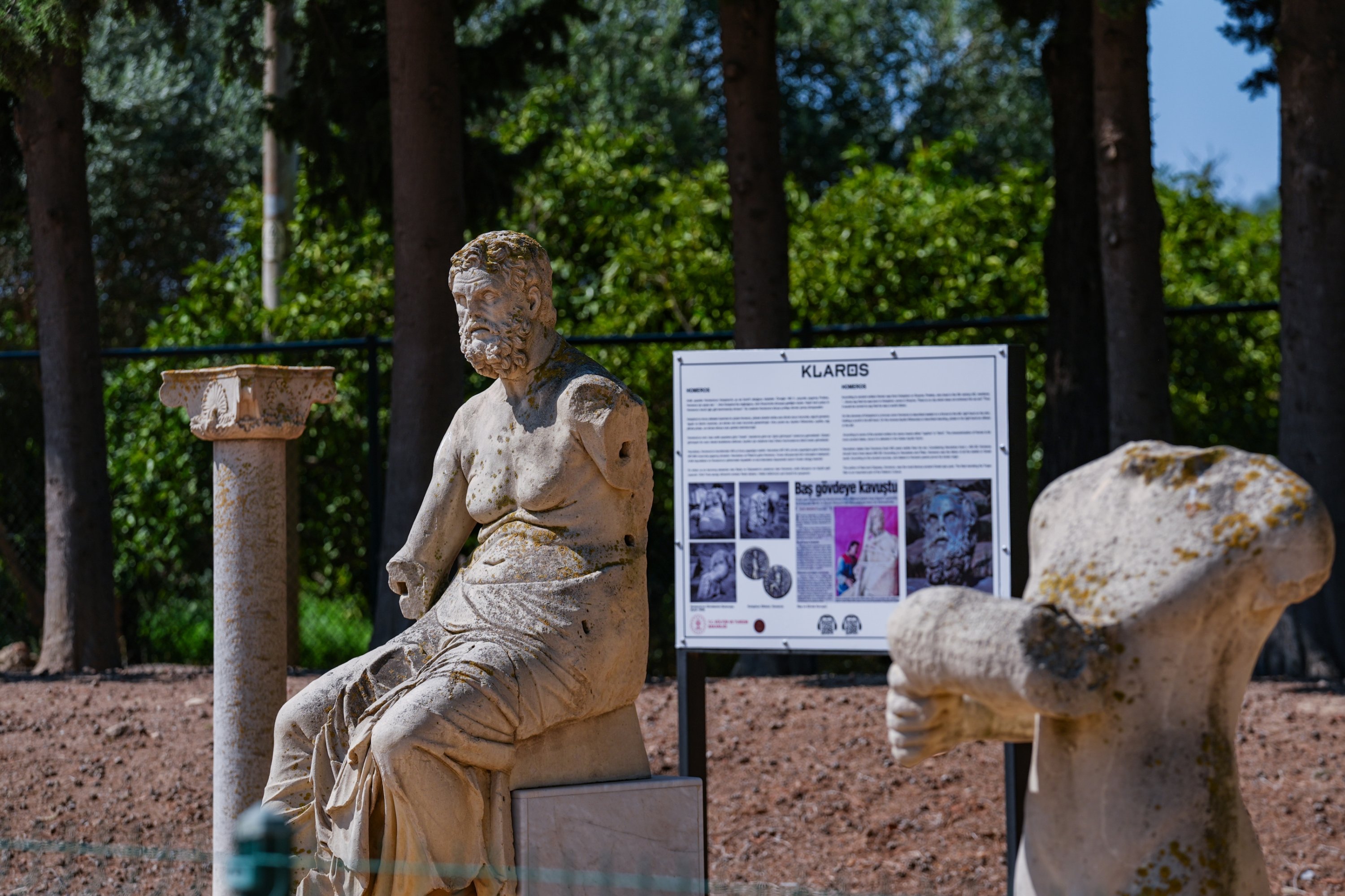
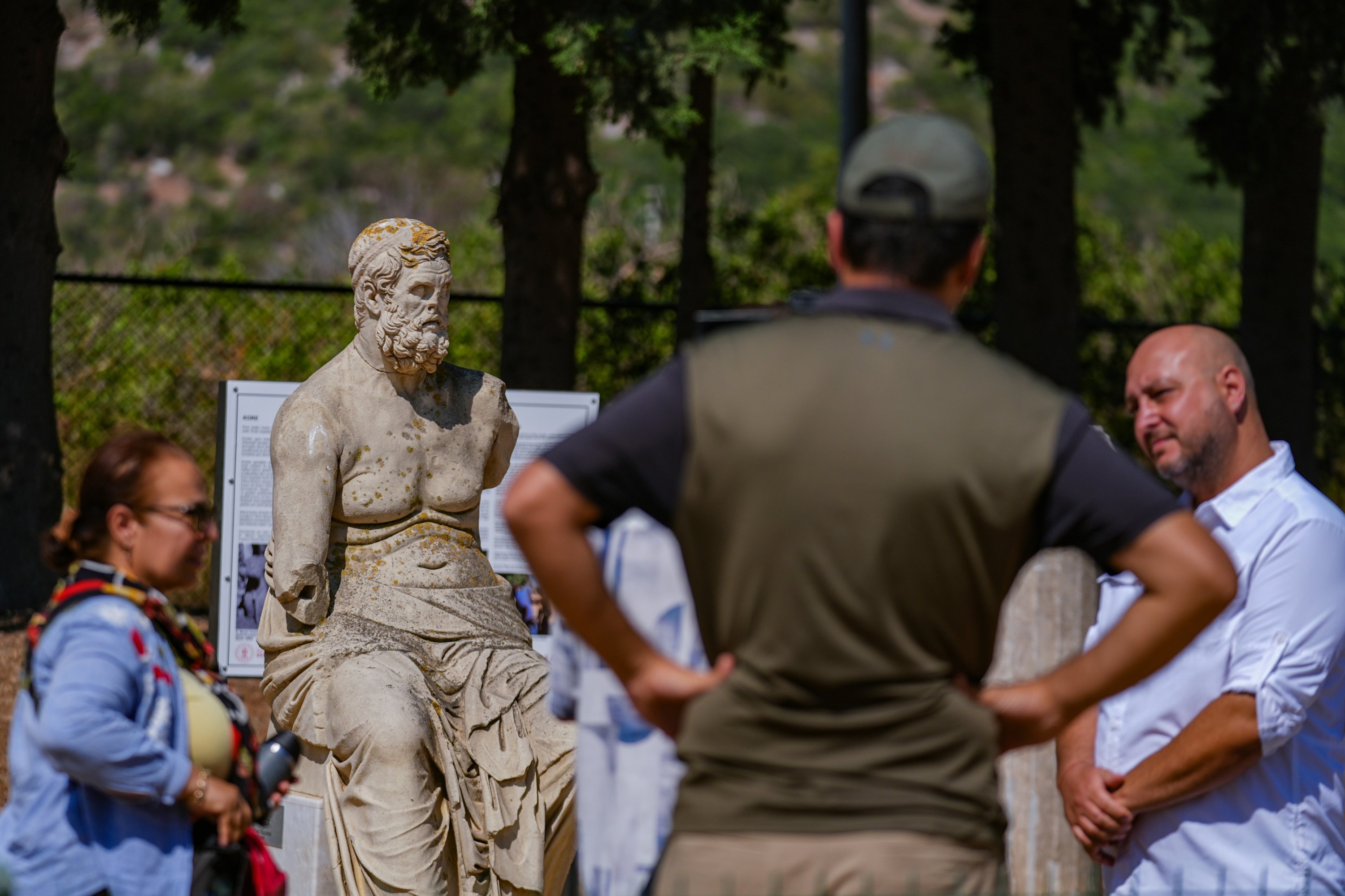
Further evidence comes from Klaros, where parts of a seated statue of Homer were discovered in excavations beginning in 1952.
The statue, reconstructed in 2004, is now displayed at the Archaeology and Ethnography Museum in the Izmir Culture and Arts Factory.
Onur Zunal, head of the Klaros excavations, said the statue was produced in the same period and workshop as cult statues of Apollo, Artemis and Leto.
“This shows how important Homer was and even suggests that he had acquired an almost divine status,” Zunal said.
KEYWORDS
DAILYSABAH
هلدینگ کاسپین استانبول | خرید ملک در ترکیه | صرافی معتبر ایرانی در ترکیه | خرید و فروش طلا در ترکیه | مهاجرت به ترکیه | واردات و صادرات در ترکیه | نیازمندیهای ترکیه | اخبار ترکیه | اخبار جهانی | توریست ایران | خدمات توریستی در ایران | تورهای گردشگری ایران | هلدینگ اول | خدمات کاریابی و فریلنسری و شغل | مرجع اطلاعات ایران (همه چیز در ایران) | کیف پول و خدمات مالی و پرداخت یار | اخبار ایران | تابلو زنده قیمت ارز در ترکیه و استانبول | صرافی آنلاین ترکیه | قیمت طلا و نقره در ترکیه | سرمایه گذاری در ترکیه | جواهرات در ترکیه | نرخ لحظه ای ارزها در استانبول | قیمت دلار امروز در ترکیه | قیمت دلار استانبول امروز | قیمت لحظه ای دلار | اخبار روز ترکیه استانبول | اپلیکیشن ISTEX | اپلیکیشن قیمت لحظه ای دلار و یورو و لیر و ارزها در ترکیه
About the Author