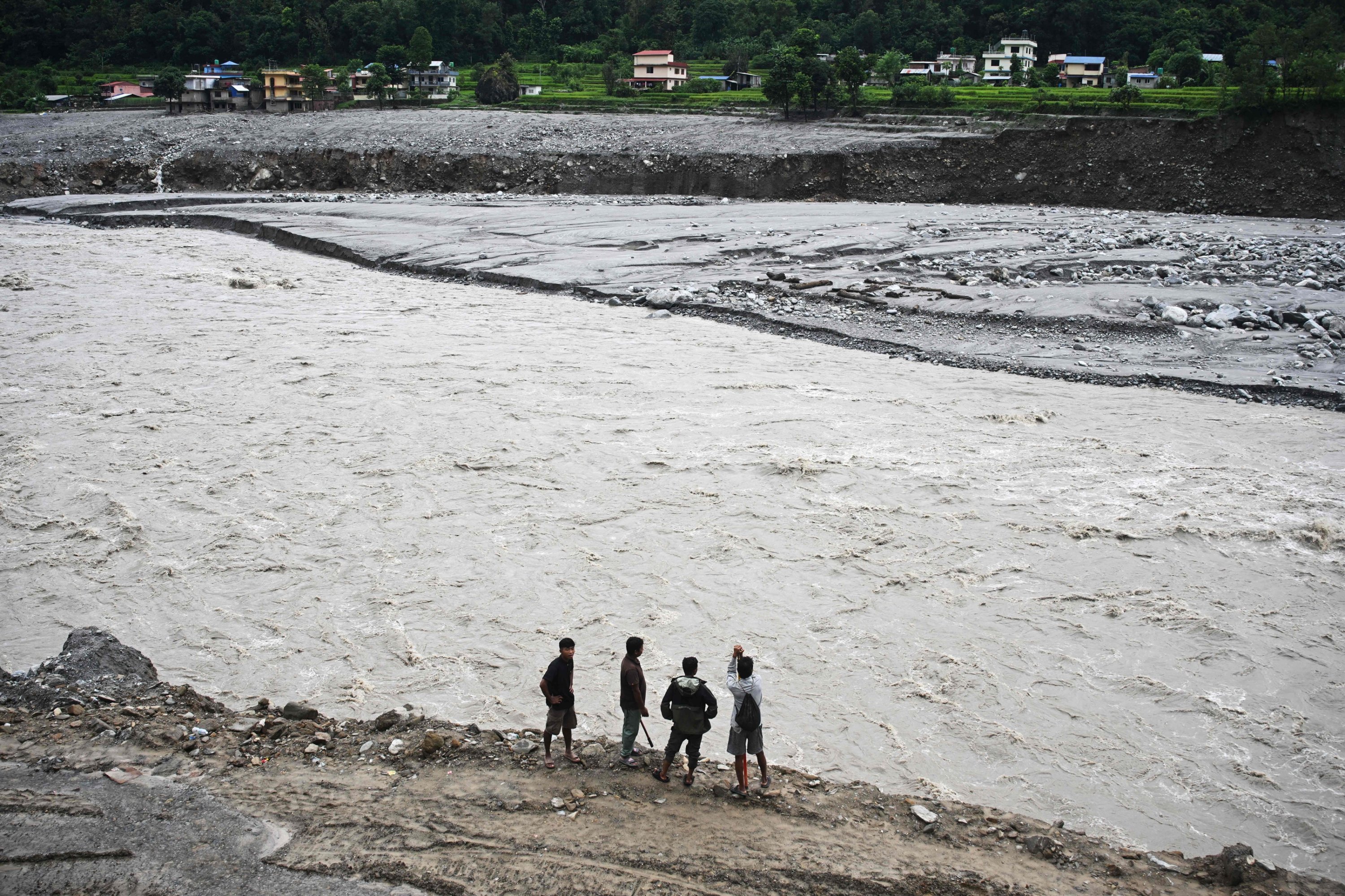
At least 68 people were killed in northern India and Nepal in the past 72 hours after heavy rain triggered floods and landslides across the region, authorities said Sunday.
In India’s most populous state of Uttar Pradesh, 56 people died and more than 1,000 houses were damaged over the past three days, the Relief Commissioner’s office said in a statement.
Neighboring Nepal, already reeling from the catastrophic Aug. 26 flood, was hit by new flooding and landslides that killed 12 people since Thursday.
“Since Thursday, 12 people have died in rain-related disasters such as floods and landslides,” Shanti Mahat, spokesperson for Nepal’s disaster authority said, adding that seven more were missing.
Scientists have warned in recent years of an increase in extreme weather events across South Asia, linking them to rising temperatures and changing climate patterns.
The flooding in Nepal last month, triggered by a glacial mountain collapse on the China-Nepal border, killed more than 1,400 people and left thousands missing.
Uttar Pradesh, home to more than 240 million people, frequently experiences rain and thunderstorms during the annual monsoon season from June to September.
The Relief Commissioner’s office said the latest deaths occurred during a spell of “exceptionally heavy rain” after a “depression over the Bay of Bengal moved inland and intensified rainfall across the region.”
The state recorded 66.5 millimeters of rain between Friday and Sunday, compared to the season average of 7.6 millimeters, it added.
The heavy rain caused extensive crop damage, and farmers raised concerns about sowing delays in the upcoming season.
In India’s eastern state of Odisha, officials evacuated more than 70,000 people living in low-lying areas after rivers swelled because of heavy downpours, NDTV news network reported.
The rains damaged bridges and culverts, forcing officials to shut down Devkund, a popular tourist spot in the state.
Monsoon disasters are annual occurrences across India following long summers when many parts of the country face water scarcity and drought.