Spain’s snap election is not simply an expression of discontent among Spanish voters; it is also part of a broader wave of unease spreading across Europe. Mounting frustration over the economic consequences of war, unsustainable tourism models, migration policies and the growing influence of the far-right is reshaping political debates across the continent.
From this perspective, we will examine Spain’s election from three main perspectives: first, the winners and losers of tourism; second, the costs of misguided European policies and the growing pressure on citizens; and third, the developments in Spanish domestic politics and what the expected election results may bring.
Winners, losers of tourism
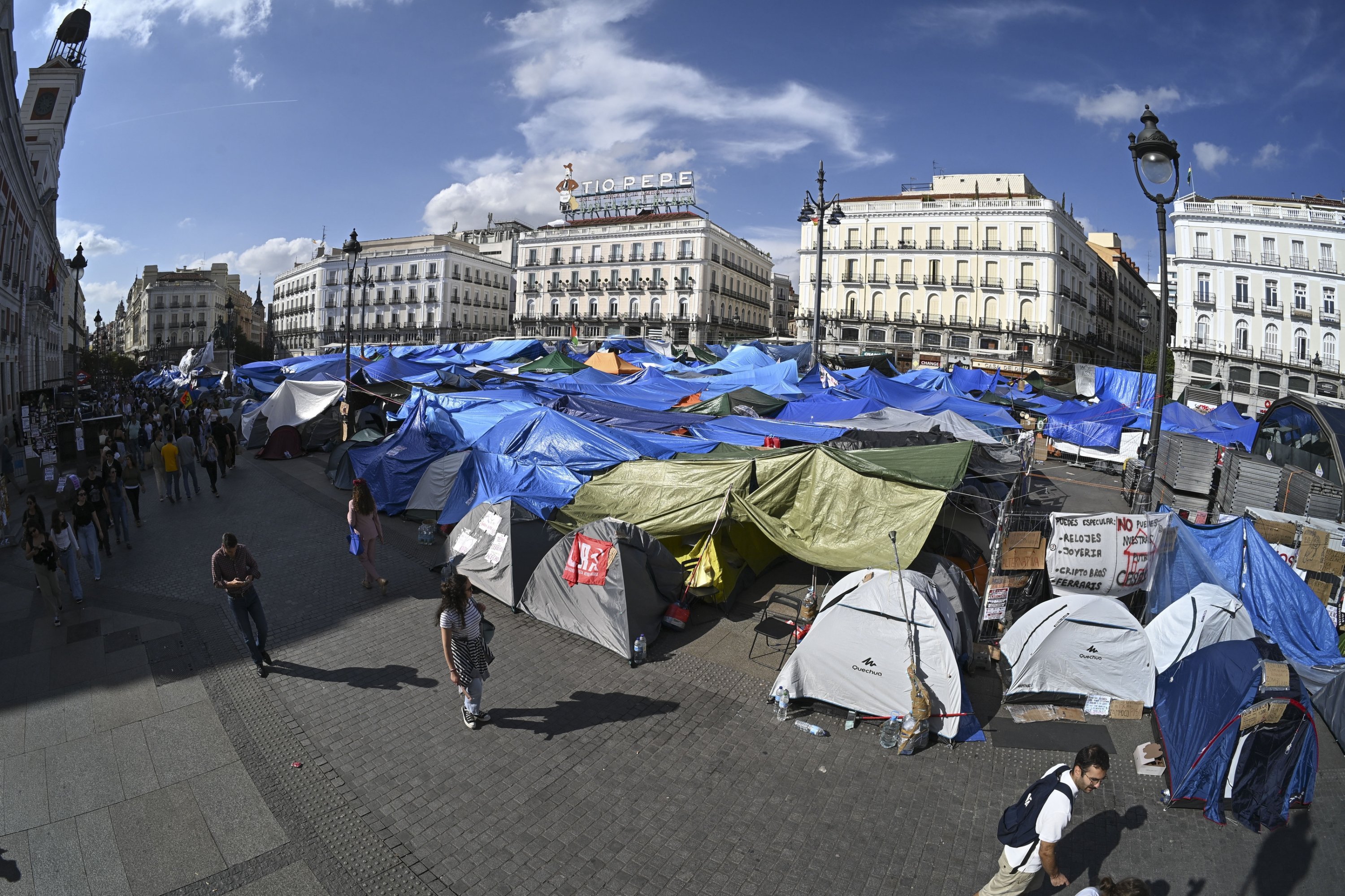
The current political crisis and the call for an early election in Spain are, to a significant extent, the outcome of how the wealth generated by the tourism sector has been governed. To put it briefly, Spain has successfully capitalized on its potential, becoming one of the world’s most popular tourism destinations and generating significant revenue. However, as in many of Europe’s major tourist cities, Spain’s infrastructure was not strong enough to absorb this rapid growth. The first major rupture came when homes were converted into tourist accommodation, leaving citizens unable to meet their basic housing needs and contributing to the housing crisis.
The country remains a global brand in tourism, with institutional investors continuing to reap significant dividends. Conversely, local residents, spanning both blue- and white-collar workers, are increasingly priced out of urban centers, bearing severe economic and social strain. Capital investors are winning while local populations shoulder the external costs and face systemic displacement.
The structural shortage of long-term housing, driven by the conversion of residential units into short-term vacation rentals, has rendered remaining real estate excessively expensive. Urban economies have pivoted almost exclusively toward tourist consumption, making major cities unaffordable for average local incomes. Consequently, neighborhood culture and social cohesion have visibly degraded. Tourist hubs are transforming into sites of daily struggle and alienation for local inhabitants. The anger accumulated over years of imbalance has begun to spill over, a trend likely to replicate in other European destinations facing similar pressures.
War, governance deficits
The reasons for growing public discontent across Europe are rooted in what many perceive as systemic failures in governance, including the inability to effectively manage the consequences of ongoing wars, especially the Russia-Ukraine war.
Europeans are bearing the economic costs of the Russia-Ukraine war, including financial support for Ukraine and Ukrainian refugees, as well as rising natural gas and fuel prices. Even before the war, European citizens were already under economic pressure from their own governments.
Europe continues to provide extensive support to Ukrainian President Volodymyr Zelenskyy, yet he lacks the military experience and capacity to achieve victory, while Europe continues the war without moving toward peace or changing its strategy.
Türkiye has made peace initiatives, but European countries, particularly the United Kingdom, have not supported them. Citizens who are not parties to this war are nevertheless paying its price.
For example, Greek Prime Minister Kyriakos Mitsotakis has raised concerns about the economic costs of sanctions against Russia, particularly in the energy sector. Why should the Greek public bear the cost of a war in which Greece is not a direct party, he and numerous Greek citizens ask.
Moreover, countries other than Spain have approved increased NATO spending, even though they are not sufficiently capable of carrying this burden. Spanish Prime Minister Pedro Sanchez said that his people could not afford it and that he could not impose such a burden on his citizens. Consequently, he was isolated at the 2025 NATO meeting for standing up for his people. Yet he was right to say so.
In Europe, there is a disconnect between the war economy and the states, and governments are becoming increasingly disconnected from the economic realities their citizens face.
Labor dynamics, migration
Policies designed by states to promote investment have become disconnected from public realities. Tourism is being promoted with the expectation of generating economic gains, but tourism also requires a larger labor force, which in turn means increased migration.
Europe’s existing labor force is not sufficient to fully realize its tourism potential. As the tourism sector expands, demand for workers in other sectors also increases, as tourism acts as a locomotive for broader economic activity, including food production, agriculture, cleaning, construction, transportation, fuel and textiles.
These countries already face labor shortages, making migrant workers increasingly necessary to fill positions in these sectors. This reality is beginning to be recognized by some European leaders. German Chancellor Friedrich Merz has openly stated that Germany needs migrants, while Italian Prime Minister Giorgia Meloni has likewise acknowledged that Italy will accept migrants.
However, it is also well known that European governments often first invite migrants and later claim that their countries have been “invaded by foreigners.” This reflects a failure of governance and governments’ inability to manage the migration process effectively.
This is also where the inconsistency of the far-right becomes apparent. European countries need migrants to address labor shortages, yet migrants are often marginalized by being portrayed as a security problem. Neither migrants nor the public can be expected to resolve security concerns; ensuring security is the responsibility of the state.
The state’s responsibility extends beyond security to developing policies that promote social cohesion. But even this is not sufficient. An increase in migration also creates greater demand for housing and greater diversity in schools. Governments must therefore adapt their housing and education policies accordingly.
Domestic politics
When we return to the case of Spain and Sanchez’s policies on the matter, we can see where migrants fit into this equation. Sanchez has placed the development of integration policies at the center of his approach, under which both newcomers and the existing population can live together more satisfactorily. With comprehensive policies, not only investors but society as a whole can benefit.
However, with the recent decision to call snap elections, Sanchez is taking a political gamble.
The cost of living is rising, the energy market is deteriorating and energy demand will increase as winter approaches. With the housing crisis already putting pressure on households, energy prices could rise further and deepen the crisis. Sanchez proposed a plan to address the housing crisis, but the right-wing bloc rejected it, leaving him with no choice but to go to the polls.
The economy is Sanchez’s strength, but he needs the political authority to act. He is therefore going to the polls at a critical moment, ahead of a difficult winter. At the heart of the crisis is the ordinary citizen, and Sanchez aims to position himself on the side of tenants, while the opposition faces a tough battle.
As an economics professor, Sanchez has become the figure who restored Spain’s economy. When he took office, Spain was still carrying the legacy of the 2008 financial crisis with high unemployment, low wages and fragile public finances. In 2018, unemployment was approximately 14.6%. Despite the pandemic, the war in Ukraine, the energy crisis and natural disasters, he has built a Spanish economy that has grown above the European average and brought unemployment below 10%. Spain is one of the fastest-growing economies in Europe. In 2024, according to the IMF, it was the world’s fastest-growing major advanced economy.
However, despite Sanchez’s economic success, the opposition remains strong, with growing support for the far-right. The far-right, which supports Israel, has used Sanchez’s position on Gaza as an opportunity and has received greater support from Israeli Prime Minister Benjamin Netanyahu and his allies.
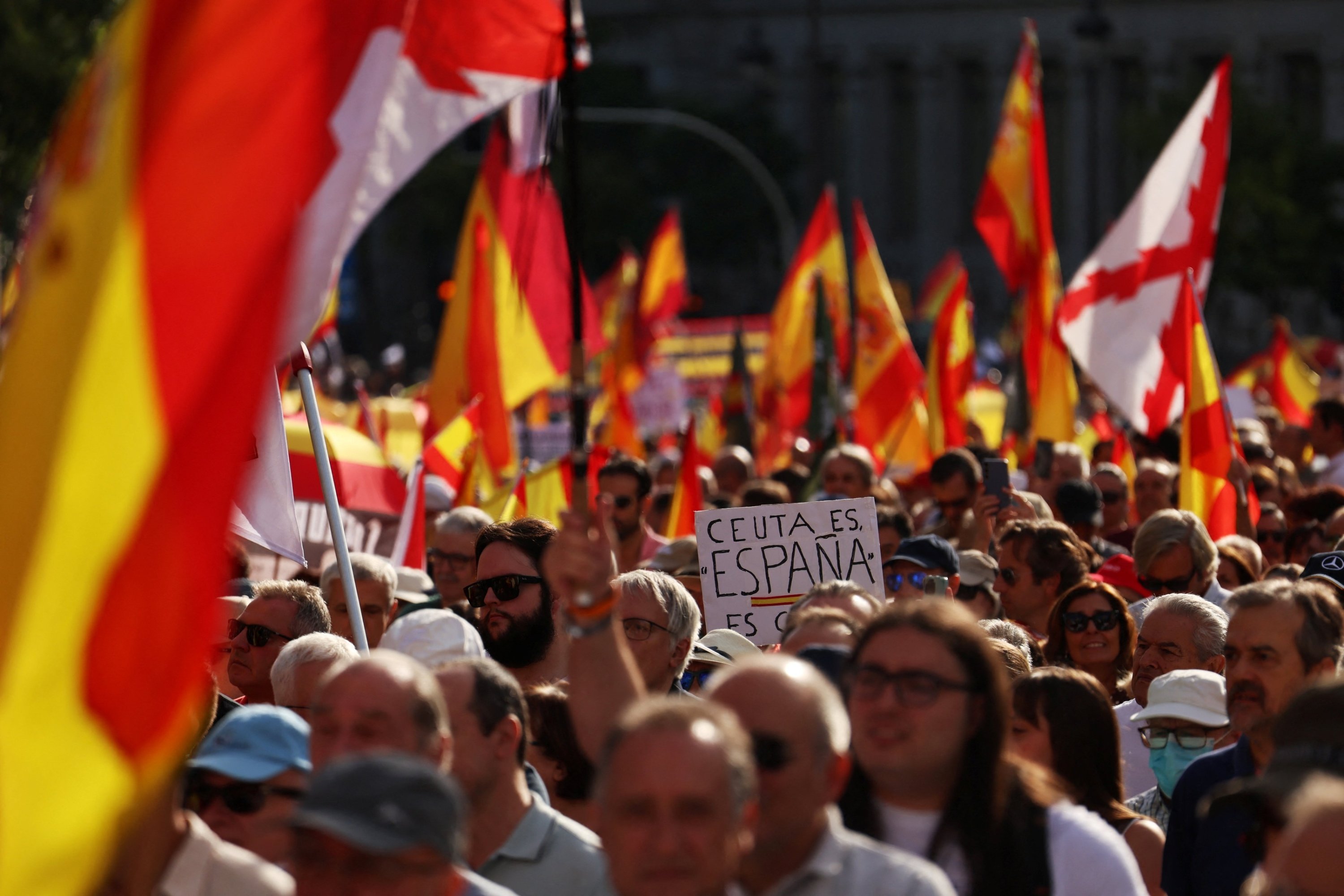
The Ceuta crisis, which was claimed to have been sparked by Israeli support, can also be considered an example of this. The migration crisis strengthened the far-right by bringing anti-Islam and anti-migrant rhetoric to the forefront and putting pressure on Sanchez.
Opposing Sanchez are the center-right People’s Party (PP), whose government fell in 2018 following a no-confidence vote linked to major corruption scandals, and the far-right Vox, which, rather than remaining independent, is increasingly aligning itself with Israel and international political networks.
Spain is now at a historic crossroads. The election will determine whether the country continues to grow under Sanchez’s economic and social policies or moves toward a PP-Vox coalition with no clear agenda for solving the country’s problems, but instead toward increasingly fascist politics, declining accountability and promoting polarization.
The views and opinions expressed in this article are solely those of the author. They do not necessarily reflect the editorial stance, values or position of Daily Sabah. The newspaper provides space for diverse perspectives as part of its commitment to open and informed public discussion.
DAILYSABAH
هلدینگ کاسپین استانبول | خرید ملک در ترکیه | صرافی معتبر ایرانی در ترکیه | خرید و فروش طلا در ترکیه | مهاجرت به ترکیه | واردات و صادرات در ترکیه | نیازمندیهای ترکیه | اخبار ترکیه | اخبار جهانی | توریست ایران | خدمات توریستی در ایران | تورهای گردشگری ایران | هلدینگ اول | خدمات کاریابی و فریلنسری و شغل | مرجع اطلاعات ایران (همه چیز در ایران) | کیف پول و خدمات مالی و پرداخت یار | اخبار ایران | تابلو زنده قیمت ارز در ترکیه و استانبول | صرافی آنلاین ترکیه | قیمت طلا و نقره در ترکیه | سرمایه گذاری در ترکیه | جواهرات در ترکیه | نرخ لحظه ای ارزها در استانبول | قیمت دلار امروز در ترکیه | قیمت دلار استانبول امروز | قیمت لحظه ای دلار | اخبار روز ترکیه استانبول | اپلیکیشن ISTEX | اپلیکیشن قیمت لحظه ای دلار و یورو و لیر و ارزها در ترکیه
About the Author