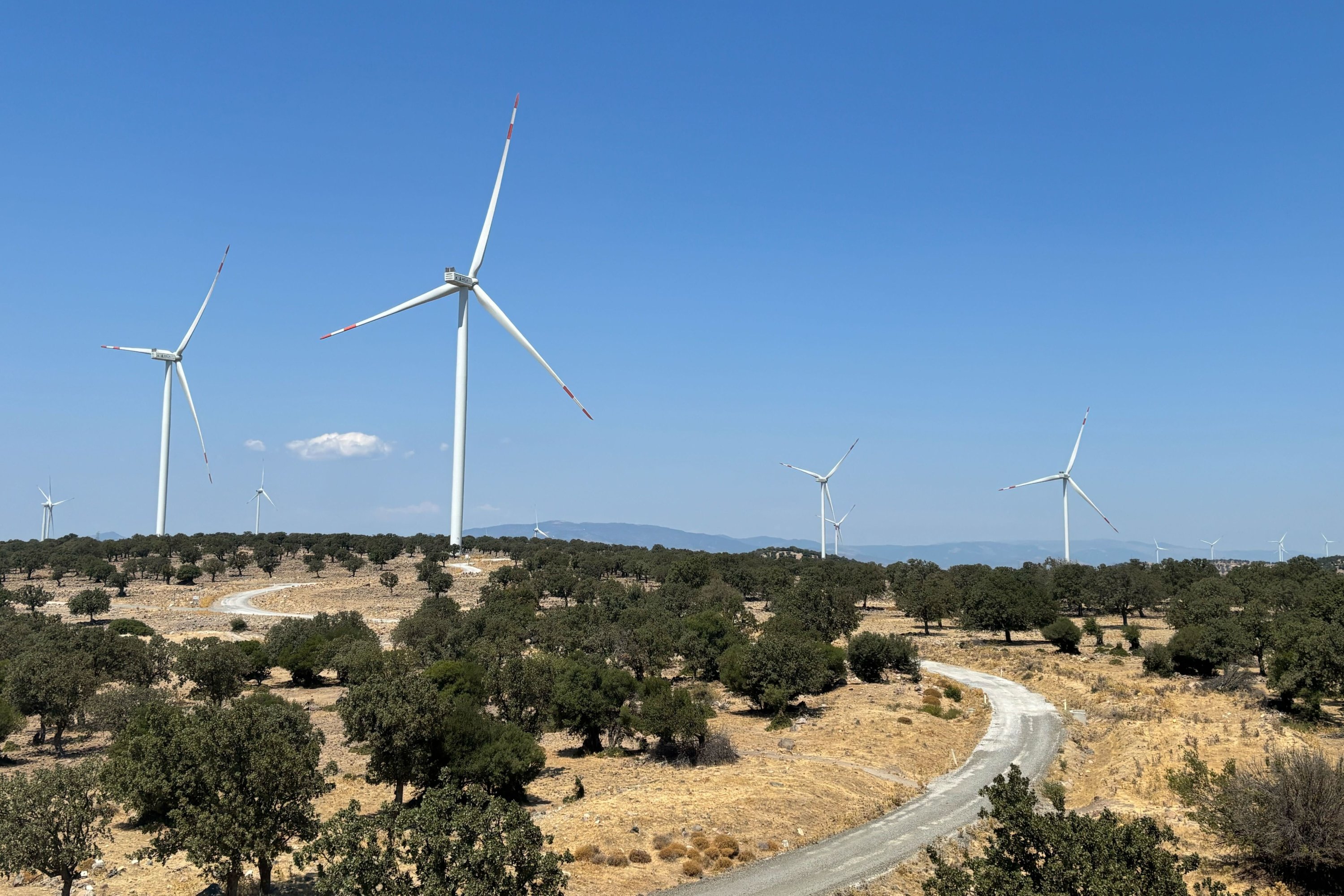
Türkiye could cut its annual natural gas import bill by about $4 billion with its wind power capacity of more than 16 gigawatts (GW), based on current energy prices, according to a senior industry executive.
Ibrahim Erden, president of the Turkish Wind Energy Association (TWEA), said every 1,000 megawatts (MW) of installed wind power capacity could reduce natural gas import costs by around $250 million annually.
Türkiye has generated more than 40% of its electricity from renewable sources in recent years, with the share exceeding 60% during the January-August period
The importance of wind energy has increasingly been viewed through the lens of energy security following the Russia-Ukraine war and conflicts in the Middle East.
Wind power offers a strategic advantage because it does not depend on imported fuels, critical transit routes such as the Strait of Hormuz, or international embargoes, Erden told Anadolu Agency (AA).
Strong manufacturing base
Türkiye has expanded its wind energy sector in recent years, supported by its strong wind potential and geographical advantages, he said.
Global wind power installations increased by 165,000 MW last year, including 2,000 MW in Türkiye, which accounted for around 1.2% of global installations, exceeding its approximately 1% share of the global economy, Erden added.
The country’s total installed electricity capacity stood at 126 GW, while onshore wind power capacity reached 15.9 GW as of the end of October, Erden said.
Erden also highlighted the growth of Türkiye’s domestic wind energy manufacturing base, supported by local component incentives introduced around 2009-2010.
The industry has developed a manufacturing cluster stretching from Izmir through Balikesir, Bursa and Yalova to Istanbul, building on Türkiye’s industrial expertise, including in automotive manufacturing, he said.
Türkiye earns around $2 billion-$2.5 billion annually from exports of wind turbines, components and raw materials, making it an important supplier to global wind energy manufacturers, Erden said.
Rising domestic natural gas production and expanding renewable energy capacity are expected to reduce Türkiye’s energy import bill over the long term, he added.
New investments planned
There are currently five wind tower manufacturers and two blade manufacturers in Türkiye, with the number of blade factories expected to rise to three as new investments come online, Erden said.
He added that 75% of manufacturers plan new investments or capacity expansions over the next three years.
These investments are expected to increase demand for skilled technicians and white-collar professionals, Erden said.
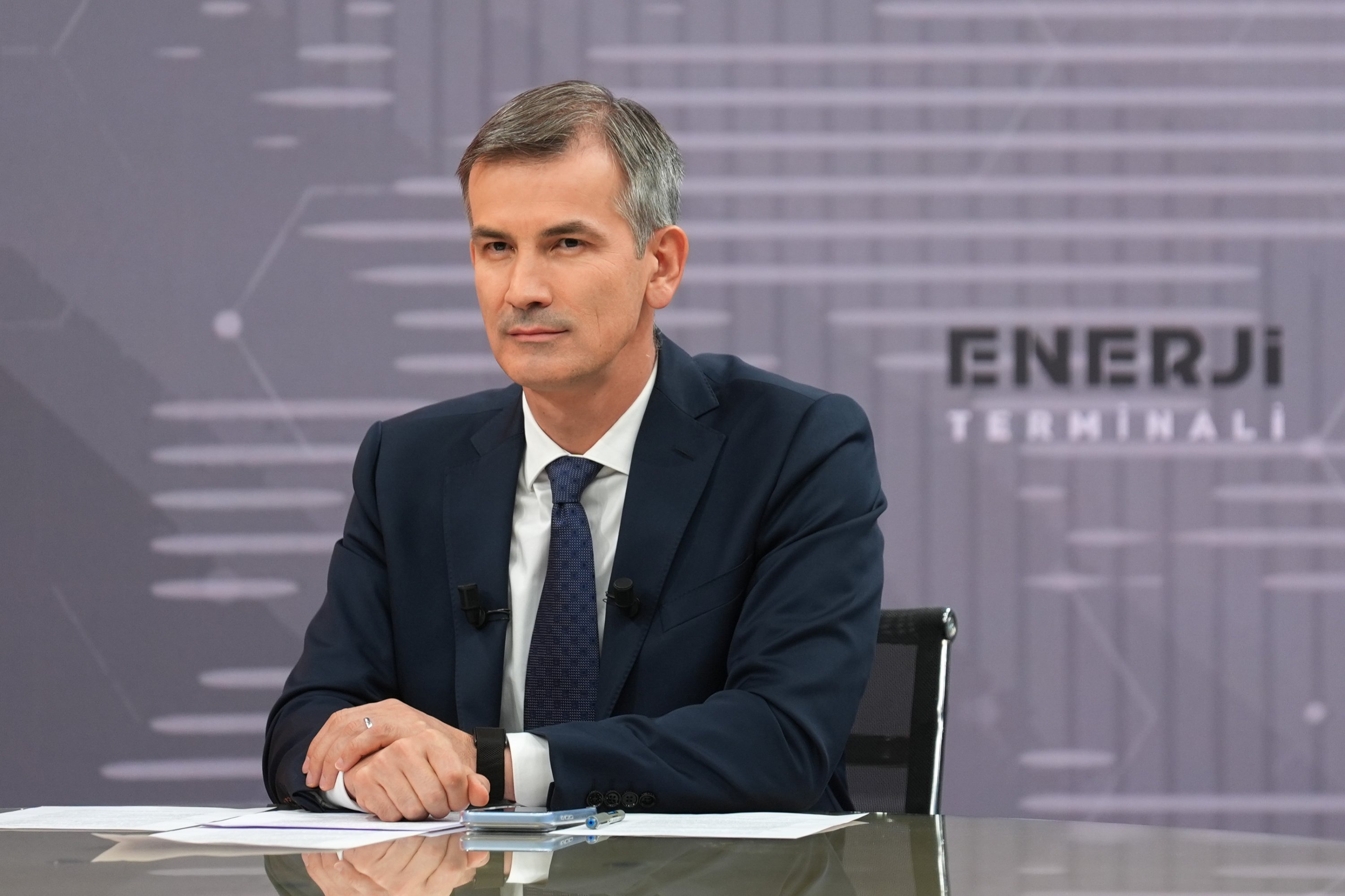
He also highlighted the role of Renewable Energy Resource Area (YEKA) projects in supporting domestic manufacturing, noting that locally produced components account for 65% of the turbines used in such projects.
The government aims to offer investors at least 2,500 MW of new wind and solar capacity annually through YEKA projects, he said, adding that predictable long-term targets and regular capacity allocations help strengthen investor confidence.
Türkiye’s position in global market
Türkiye ranked second in Europe for new onshore wind installations last year, sixth in installed wind capacity and fifth in wind industry manufacturing, Erden said.
Offshore wind projects are also expected to support further sector growth, he added.
Meanwhile, more than 70% of the global wind energy supply chain is concentrated in China, making the energy sector an increasingly important part of the economic competition between China, the United States and Europe, Erden said.
Türkiye is emerging as an alternative supplier, particularly for European markets, amid this competition, he added.
8 GW needed annually
Türkiye targets wind and solar installed capacity to reach 120 GW by 2035. The association aims for wind power to account for 48 GW of that total, he said.
Türkiye needs to install around 8,000 MW of new wind and solar capacity each year to reach its goal, Erden said.
Wind capacity alone would nearly triple electricity generation from wind, potentially increasing the annual value of avoided natural gas imports to around $10 billion-$12 billion under current price and generation assumptions, he added.
“This would mean an additional $6 billion-$8 billion in annual savings on top of the approximately $4 billion currently achievable,” Erden said.
He stressed that expanding grid infrastructure, speeding up permitting procedures and improving access to affordable financing would be essential to achieving the target.
Türkiye needs $24 billion in financing for grid investments alone under its National Energy Plan, while total financing signed or committed through work with international financial institutions stands at around $7.5 billion-$8 billion, Erden said.
Türkiye’s electricity demand is expected to rise significantly in the coming years as electric vehicles become more widespread, data centers expand, artificial intelligence applications grow and industrial electrification accelerates, he said.
This transformation makes expanding renewable energy capacity even more important, Erden added.
DAILYSABAH
هلدینگ کاسپین استانبول | خرید ملک در ترکیه | صرافی معتبر ایرانی در ترکیه | خرید و فروش طلا در ترکیه | مهاجرت به ترکیه | واردات و صادرات در ترکیه | نیازمندیهای ترکیه | اخبار ترکیه | اخبار جهانی | توریست ایران | خدمات توریستی در ایران | تورهای گردشگری ایران | هلدینگ اول | خدمات کاریابی و فریلنسری و شغل | مرجع اطلاعات ایران (همه چیز در ایران) | کیف پول و خدمات مالی و پرداخت یار | اخبار ایران | تابلو زنده قیمت ارز در ترکیه و استانبول | صرافی آنلاین ترکیه | قیمت طلا و نقره در ترکیه | سرمایه گذاری در ترکیه | جواهرات در ترکیه | نرخ لحظه ای ارزها در استانبول | قیمت دلار امروز در ترکیه | قیمت دلار استانبول امروز | قیمت لحظه ای دلار | اخبار روز ترکیه استانبول | اپلیکیشن ISTEX | اپلیکیشن قیمت لحظه ای دلار و یورو و لیر و ارزها در ترکیه
About the Author