Becoming an author in my late 50s was unexpected, the result of my daughter Hallie’s own existential anxiety in her early 20s.
Fearing my untimely demise, she begged me to write down advice that would cover all of life’s bases going forward. I agreed, but put the project off for years; it wasn’t until she cornered me with a laptop on vacation that I gave in. She asked countless questions, and I found, to my surprise, that I had plenty to say. Hallie helped shape the manuscript, and then spent a year painting its warmly emotional gouache illustrations.
Our graphic novel, What to Do When I’m Gone: A Mother’s Wisdom to Her Daughter, was published in 2018. Though marketed for mothers and daughters, it holds my advice to all three of my children on moving forward after I die. Included are notes on grief and loss and life, plus a few recipes – not because I’m a great cook, but because food is so integral to family heritage. The book is a lighthearted, emotional and highly illustrated ode to moving forward and living life fully while grieving the loss of a parent or, really, anyone you love.
What we’ve learned in the eight years since its release is that readers of all ages have a deep hunger to know more about their parents’ backgrounds, beliefs and values, including around grief and loss.
They want to talk about all of it.
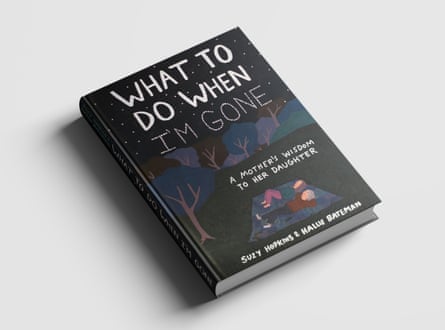
Gone wasn’t exactly a hot property. All but one publisher rejected it, uncertain who would buy a book on death and grief. But Bloomsbury editor Nancy Miller saw potential for broad readership. Eight years later, it has been published in seven languages and continues to find new readers.
The book has brought us comments from around the world. The most common:
-
I lost a parent (or other loved one, including spouse or beloved pet) and your book helped me through.
-
I gave the book to my kids and wrote my own notes in the margins.
-
I can’t bear the thought of my mom or dad dying, but they don’t want to talk about it. I’m hoping that sharing the book with them will start some conversations.
But the most frequent sentiment we hear is: My mom or dad died, and I wish they had left me something like this.
In book events in New York and on the west coast, invariably, someone in the audience was crying. Sometimes, it was because of the person’s fractured relationship with their mother, and grieving the loss that represents. Most often, it was because they missed their mom or dad, and did not have a record of their unique voice and wisdom to lean on.
There is science behind this hunger to know more, to deepen this vital connection between the generations. Studies have shown that knowing more about family history, including weathering hard times, is good for mental health and identity formation.
I understand that hunger to know more, both as a longtime journalist and as a daughter. Years before Hallie coaxed me into doing our book, I wanted to capture my own mother’s story and did a series of interviews with her. Two decades after her death at 85, the slim memoir that resulted preserves her voice, wit and love for family.
At the moment she died, I was at her bedside holding her frail hand when, suddenly, I was swept into an invisible cyclone of memories and feelings that lasted for several minutes – and left me stunned.
Years later, that otherworldly experience helped me pen the closing pages of our book.
But this isn’t an ad for Gone. You, like some readers, might even hate it: “It just rambles on about recipes and driving a car off a cliff and being trampled in a Black Friday sale and replacing your mother with someone else,” wrote one Amazon customer called Christine. “Is there even a point to the book?”
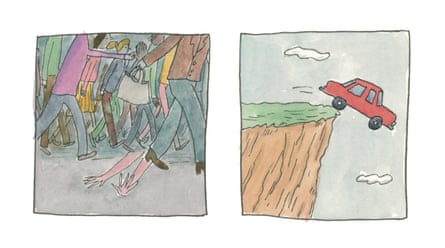
Yes, Christine, there is a point. Two, actually:
-
Love endures long after the person we love dies.
-
Talk about your beliefs, history and values with the people you love while you’re alive; share the stories that are yours, and in turn, theirs.
Thankfully most readers seemed to understand, given all the feedback we’ve received. Some found themselves “ugly crying” in bookstores (though the book is funnier than it sounds) and many sent notes or wrote emotional reactions online.
“As someone who has lost their mom, it’s something I reach for often when I need a hug from her,” Dara wrote. Natsu shared the book with her mother, who then wrote her own book – each section named after a favorite song – which Natsu spent a year illustrating. Some readers acknowledged that their parents would have very different advice from mine, but echoed that universal desire for help finding their way forward.
My twin grandchildren may need such help.
At two and a half, they are little human yardsticks by which I measure my remaining years. I may be around for their high school and perhaps college graduations, but clearly, the first decades of their lives will be the last decades of mine. And the older I get, the more I appreciate simple days, simple problems: hangry toddlers, high grass that needs mowing.
I can fix these, unlike the world’s larger problems: the climate crisis, injustice, greed, the othering and abuse and killing of entire populations.
These children, and their children, will need help making their way through chaos we cannot yet fully imagine.
But there is a book.
In it, they will see the sense of humor and worldview Hallie and I share, and perhaps better understand their own. When they hit hard times, I hope they will find comfort in its pages.
So, Christine, the underlying message is this: Think about what you will leave behind.
Hallie and I always intended that Gone would encourage other families to have these deeper conversations: why you chose the paths you did, what you truly care about and why, how you think about death and grief and what’s beyond. The only real requirement is willingness to examine what you believe.
Each person’s life leaves an imprint, and that imprint most affects the people we love – those who are here and those yet to come. Tell them what really matters.
Because, as many people around the world have told us, it all matters more than you will ever know.
-
Suzy Hopkins, a former newspaper reporter and magazine editor, is the author of What to Do When I’m Gone and What to Do When You Get Dumped. She lives in Cincinnati, Ohio. She previously wrote about the unique grief of divorce for the Guardian.
The Guardian wp:paragraph
هلدینگ کاسپین استانبول | خرید ملک در ترکیه | صرافی معتبر ایرانی در ترکیه | خرید و فروش طلا در ترکیه | مهاجرت به ترکیه | واردات و صادرات در ترکیه | نیازمندیهای ترکیه | اخبار ترکیه | اخبار جهانی | توریست ایران | خدمات توریستی در ایران | تورهای گردشگری ایران | هلدینگ اول | خدمات کاریابی و فریلنسری و شغل | مرجع اطلاعات ایران (همه چیز در ایران) | کیف پول و خدمات مالی و پرداخت یار | اخبار ایران | تابلو زنده قیمت ارز در ترکیه و استانبول | صرافی آنلاین ترکیه | قیمت طلا و نقره در ترکیه | سرمایه گذاری در ترکیه | جواهرات در ترکیه | نرخ لحظه ای ارزها در استانبول | قیمت دلار امروز در ترکیه | قیمت دلار استانبول امروز | قیمت لحظه ای دلار | اخبار روز ترکیه استانبول | اپلیکیشن ISTEX | اپلیکیشن قیمت لحظه ای دلار و یورو و لیر و ارزها در ترکیه
/wp:paragraph wp:paragraph /wp:paragraph
About the Author