MoneyWatch: Managing Your Money
We may receive commissions from some links to products on this page. Promotions are subject to availability and retailer terms.
February 27, 2026 / 12:25 PM EST
/ CBS News
Add CBS News on Google
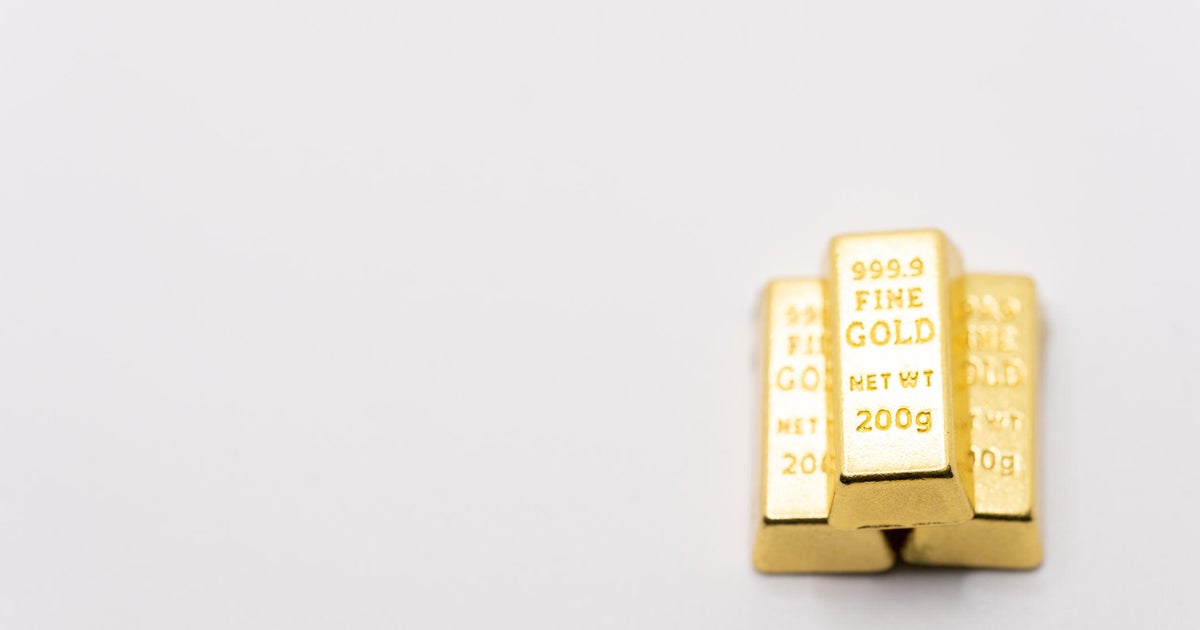
Gold prices are high, but the smallest gold bar you can buy is more affordable than many people expect.
Pinkjojo/Getty Images
Gold’s recent record-breaking price rally, fueled by central bank accumulation, dollar uncertainty and stubborn inflation, has made a full troy ounce of gold a serious financial commitment for most people. At today’s gold price of nearly $5,300 per ounce, a single ounce of gold now costs more than most Americans have in savings. But the current high value of gold is having an interesting impact on the market. It’s not scaring investors away — it’s simply moving them toward smaller entry points.
When one gold bar costs thousands of dollars or more, it can push a lot of gold options out of reach for smaller investors. As a result, the math around fractional gold starts to look a lot more attractive. These types of smaller gold bars mean lower upfront costs for investors, making it easier to buy in without selling off assets or stretching your budget to do so.
What are the smallest sizes gold bars come in, though? And what should you know about these miniature gold investments? That’s what we’ll detail below.
Start adding gold bars to your investment portfolio today.
What is the smallest gold bar you can buy?
The smallest gold bars that are commercially available are 1-gram gold bars, which weigh just a fraction of an ounce, with the price varying depending on the current spot price of gold and the premium charged by the precious metal dealer. At that size, these gold bars are roughly the dimensions of a postage stamp, meaning that they’re easy to store and are accessible to almost any type of investor. From there, the market steps up in fairly standard increments. The most common sizes you’ll find from reputable dealers include:
1-gram gold bars: 1-gram bars are the entry-level option. These bars are widely available from mints like PAMP Suisse, Valcambi and the Perth Mint. However, they come with high premiums relative to gold content, but can still be appealing due to the low absolute cost.
2.5-gram gold bars: A 2.5-gram gold bar is a modest step up from the smallest gold bar option but is still relatively affordable and widely available from most major dealers.
5-gram gold bars: 5-gram gold bars are a popular middle ground, one that starts to offer slightly better value on premiums while remaining accessible to most investors.
10-gram gold bars: At about a third of a troy ounce, 10-gram gold bars can make sense for investors with slightly larger budgets. This gold bar size is where premiums begin to come down meaningfully.
1-ounce gold bars: 1-ounce gold bars are the benchmark unit for gold pricing and the most liquid size for resale.
10-ounce and 1-kilogram gold bars: These larger gold bars are typically used by institutional buyers and serious collectors. They carry the lowest premiums per ounce but require significant upfront capital.
It’s important to note that while smaller gold bars, particularly anything under 10 grams, are the more affordable option in terms of overall price, the premiums are substantial. Small gold bars tend to carry the heftiest premiums above the spot price of gold. And, that’s the tradeoff for accessibility: You’re paying for fabrication, packaging and distribution costs that don’t scale down the way the gold content does.
Compare your gold investing options online now.
How to decide which gold bars are right for you
Choosing the right gold bar size comes down to your goals, budget and long-term strategy. Here’s what to consider:
If you’re just starting out
If you’re new to gold investing, 1-gram, 5-gram or 10-gram gold bars can be a practical entry point into the gold market. They let you build a gold position gradually without committing thousands of dollars at once. Buying smaller gold bars also reduces the pressure of timing the market perfectly, and you can spread purchases out over time, averaging your cost.
If you’re focused on minimizing premiums
If your goal is to maximize the amount of gold you get for your money, larger gold bars generally make more sense. And, a 1-ounce gold bar, in particular, often hits the sweet spot for retail investors. This gold bar size is liquid, widely recognized and carries lower premiums than gram-sized bars. If you’re investing significant sums, though, 10-ounce or 100-gram gold bars can reduce your overall premium even further.
If liquidity and flexibility matter most
Smaller bars offer flexibility when it’s time to sell. If you own one 10-ounce gold bar and need to liquidate a small portion of your holdings, you can’t shave off a piece. You must sell the entire bar. But if you own ten 1-ounce gold bars or multiple smaller gram bars, you can sell incrementally. This can be particularly useful for retirees or investors who want to use gold as a supplemental liquidity source rather than a single large asset.
If storage is a concern
All gold requires secure storage, whether that’s a home safe or a professional vault. Smaller bars are easier to store discreetly, but larger bars consolidate value into fewer pieces, which can simplify organization.
The bottom line
The smallest gold bar you can buy is a 1-gram bar and it’s more affordable than many people may expect. But affordability and value aren’t always the same thing. The right gold bar size depends on your budget, your goals and how you plan to eventually use or sell what you own. Start small if you need to, but make sure you understand what you’re paying beyond the gold itself.
Edited by
© 2026 CBS Interactive Inc. All Rights Reserved.
Home – CBSNews.com
About the Author