News|US-Israel war on Iran
Senior Iranian officials have arrived in Islamabad, Pakistan, for ceasefire talks with the United States as violence continues across the region.
Iranian parliamentary speaker Mohammad Bagher Ghalibaf and Foreign Minister Abbas Araghchi are leading the Iranian side in the negotiations, while Washington is being represented by US Vice President JD Vance, along with special envoy Steve Witkoff and Jared Kushner.
Ahead of the talks, Vance said Washington is ready to “extend an open hand” if Iran negotiates in good faith, signalling a potential opening for diplomacy after weeks of escalating tensions.
At the same time, the situation on the ground remains volatile.
Lebanon’s Health Ministry said on Friday that at least 357 people were killed in Israeli attacks on Wednesday, warning that the death toll is expected to rise as more victims are identified.
In Iran
Near internet blackout passes 1,000 hours: Monitoring group NetBlocks said the state-imposed shutdown had exceeded 1,000 hours, making it one of the longest nationwide internet disruptions on record.
‘No trust in the US’ as talks approach: Analyst Zohreh Kharazmi told Al Jazeera Iranians remain sceptical ahead of the negotiations, despite Tehran believing it holds leverage, including over the Strait of Hormuz.
War diplomacy
Iran arrives for talks: Iran’s delegation of top officials, led by Ghalibaf, arrived in Islamabad for ceasefire talks with the US, Iranian state television reported on Friday.
Iran demands Lebanon ceasefire: Iran’s parliamentary speaker demanded a truce in Lebanon and the release of his country’s blocked assets on Friday as Vance warned Tehran not to “play” Washington in their talks.
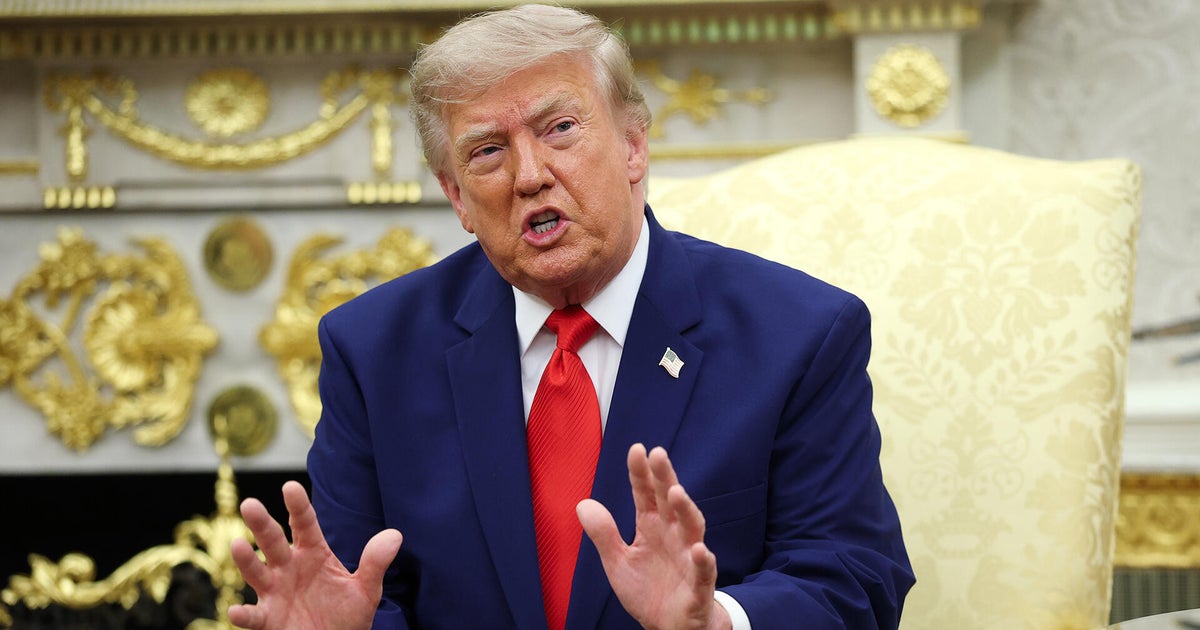
Trump warning: US President Donald Trump said Iran has “no cards” in upcoming talks with the US. In a separate interview with the New York Post, the US president said US warships are being reloaded with weaponry to strike Iran if the talks fail to produce a deal.
Advertisement
In the US
Trump says Hormuz will reopen ‘fairly soon’: The US president said the Strait of Hormuz will be reopened with or without Iran’s help, pledging Washington will “open up the Gulf” amid ongoing disruption to global energy supplies.
US seeking quick ‘victory’: Former US ambassador Douglas Silliman told Al Jazeera that Trump is likely to push for a fast outcome in the talks to ease economic pressure, with the reopening of the Strait of Hormuz seen as a critical priority.
Inflation adds urgency: US consumer prices surged to a two-year high, increasing pressure on the administration as economic concerns grow at home.
Vance leads US delegation: Vice President JD Vance is heading the negotiating team in Islamabad, alongside senior officials, including US Secretary of State Marco Rubio and advisers such as Jared Kushner.
In Israel
Pressure on Israel to pause strikes: The US has reportedly asked Israel to halt attacks on Hezbollah in Lebanon to avoid derailing negotiations, with the current US-Iran ceasefire set to expire on April 21.
Ongoing fighting in Lebanon despite talks: Israel’s military operations and expanding ground offensive in Lebanon continued, even as ceasefire negotiations were scheduled.
Hezbollah fires on Israel: The Israeli military said Hezbollah fired about 30 projectiles into Israel, reporting that some strikes caused damage. Air raid sirens were heard across northern Israel.
In Gaza and Jerusalem
Thousands at Al-Aqsa Mosque prayers: More than 100,000 people attended the first Friday prayers at the Al-Aqsa Mosque in East Jerusalem since its reopening following the US-Iran truce, the holy site’s Islamic authority reported.
Gaza air strike: An Israeli air strike killed at least six people and injured several others at the Bureij refugee camp in the central Gaza Strip, according to the Gaza Health Ministry.
Death penalty backlash: Turkish President Recep Tayyip Erdogan heavily criticised a new Israeli law that allows military courts in the occupied West Bank to impose the death penalty on Palestinian prisoners convicted of “terrorism”, comparing the policy to Hitler’s actions against Jews and calling it a “worse version of the apartheid regime”.
In Lebanon
Lebanon in food crisis: The United Nations World Food Programme (WFP) said the country was facing a food security crisis, with prices surging and supply chains disrupted amid Israel’s offensive.
Advertisement
Al Jazeera – Breaking News, World News and Video from Al Jazeera
About the Author