Twenty percent of the world’s natural gas and oil used to pass through the strait.
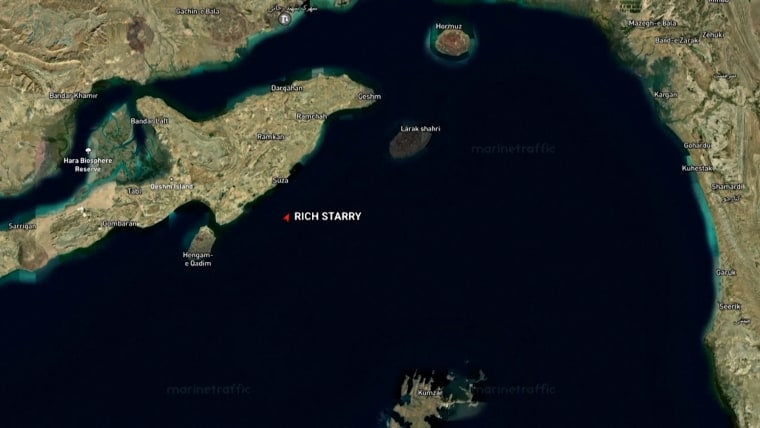
Traffic through the Strait of Hormuz has been at a near-standstill for weeks amid the Iran war, sending prices of oil and other key goods soaring.
President Donald Trump made reopening the strait a condition of the ceasefire with Tehran, but with little change and no deal reached in peace talks, he announced a naval blockade of Iran.
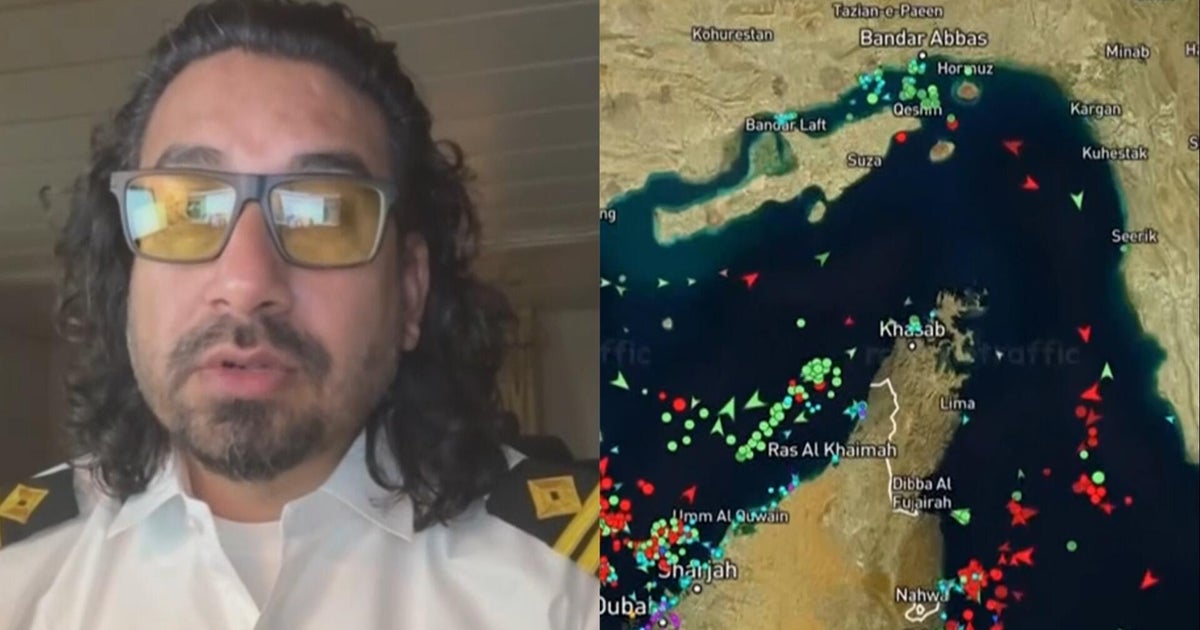
NBC News is tracking the daily count of how many ships pass through the strait. Note that exact numbers may be higher; some ships manipulate their GPS trackers during transit.
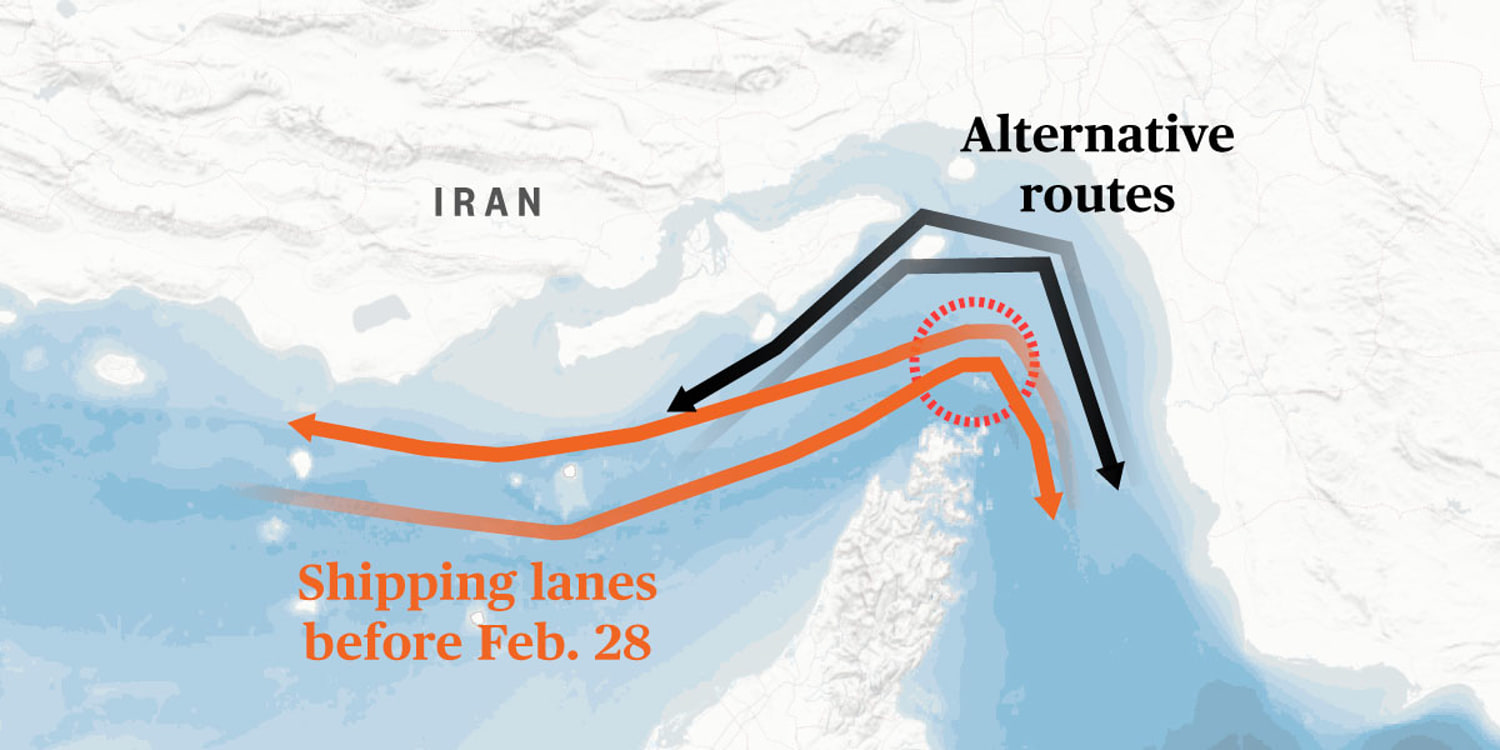
Iran launched strikes on ships and demanded tolls from vessels transiting the crucial waterway in the wake of the U.S.-Israeli attack on Feb. 28. This effectively shuttered a trade route through which some 20% of the world’s oil and natural gas once passed. Tehran has also suggested it may have mined the strait. Iranian media has published a map from Iran’s Islamic Revolutionary Guard Corps Navy suggesting safe inbound and outbound routes through the strait.
Gas prices in the U.S. spiked in March as a result of the war, increasing more than 30% and topping an average of $4 per gallon.


NBC News Top Stories wp:paragraph
هلدینگ کاسپین استانبول | خرید ملک در ترکیه | صرافی معتبر ایرانی در ترکیه | خرید و فروش طلا در ترکیه | مهاجرت به ترکیه | واردات و صادرات در ترکیه | نیازمندیهای ترکیه | اخبار ترکیه | اخبار جهانی | توریست ایران | خدمات توریستی در ایران | تورهای گردشگری ایران | هلدینگ اول | خدمات کاریابی و فریلنسری و شغل | مرجع اطلاعات ایران (همه چیز در ایران) | کیف پول و خدمات مالی و پرداخت یار | اخبار ایران | تابلو زنده قیمت ارز در ترکیه و استانبول | صرافی آنلاین ترکیه | قیمت طلا و نقره در ترکیه | سرمایه گذاری در ترکیه | جواهرات در ترکیه | نرخ لحظه ای ارزها در استانبول | قیمت دلار امروز در ترکیه | قیمت دلار استانبول امروز | قیمت لحظه ای دلار | اخبار روز ترکیه استانبول | اپلیکیشن ISTEX | اپلیکیشن قیمت لحظه ای دلار و یورو و لیر و ارزها در ترکیه
About the Author