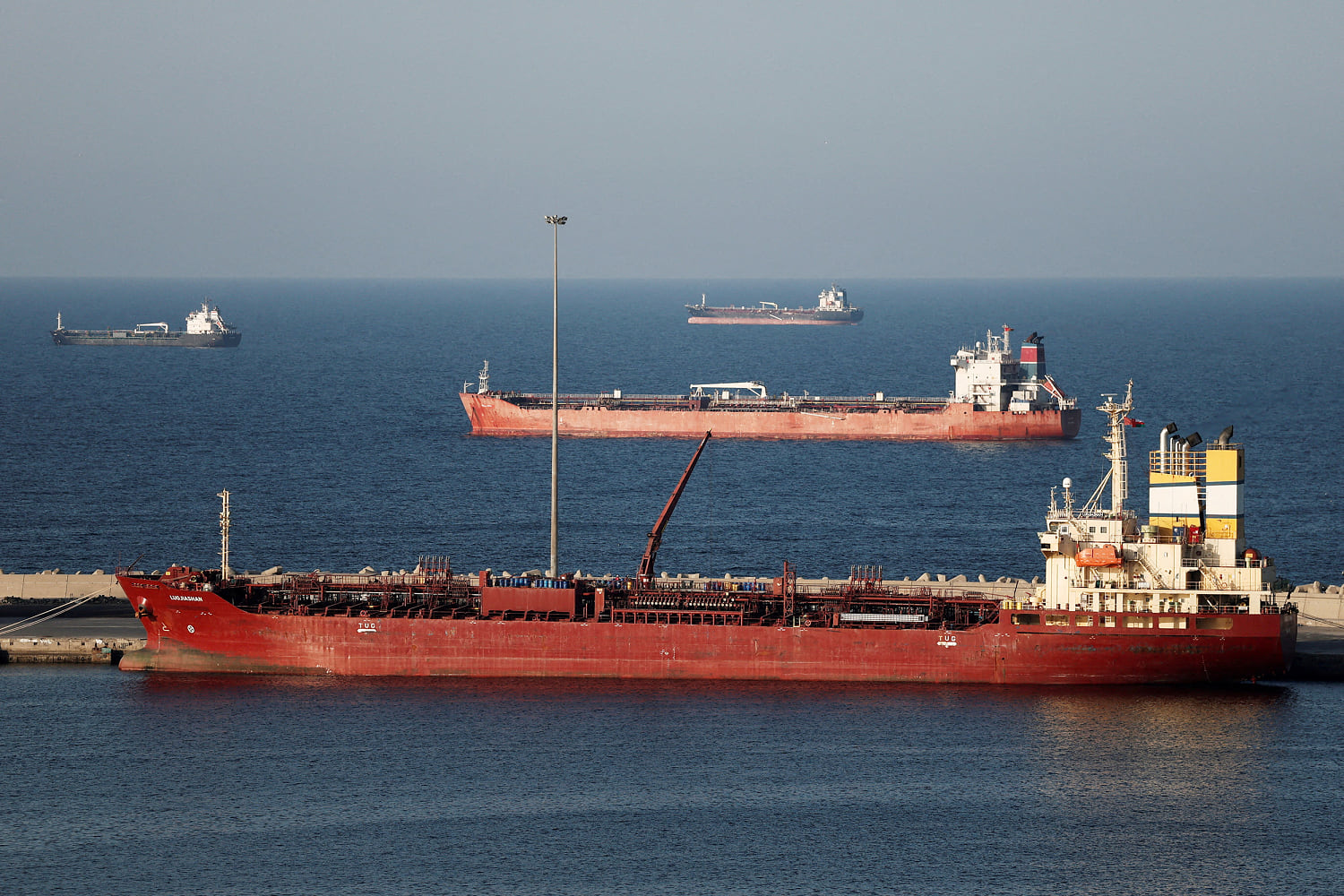
Since the U.S. blockade of Iranian ports began, American warships issued warnings to 10 vessels, prompting them to turn around, U.S. Central Command said Wednesday.
No shots were fired in the encounters, according to a U.S. official, and U.S. personnel did not board any of the vessels before they reversed course.
At least five of the ships were carrying oil, according to the official. Two of the oil-carrying ships turned back in the first two hours after the blockade went into effect Monday morning. An Iranian-flagged cargo vessel tried to evade the U.S. blockade but was redirected by the Navy destroyer USS Spruance.
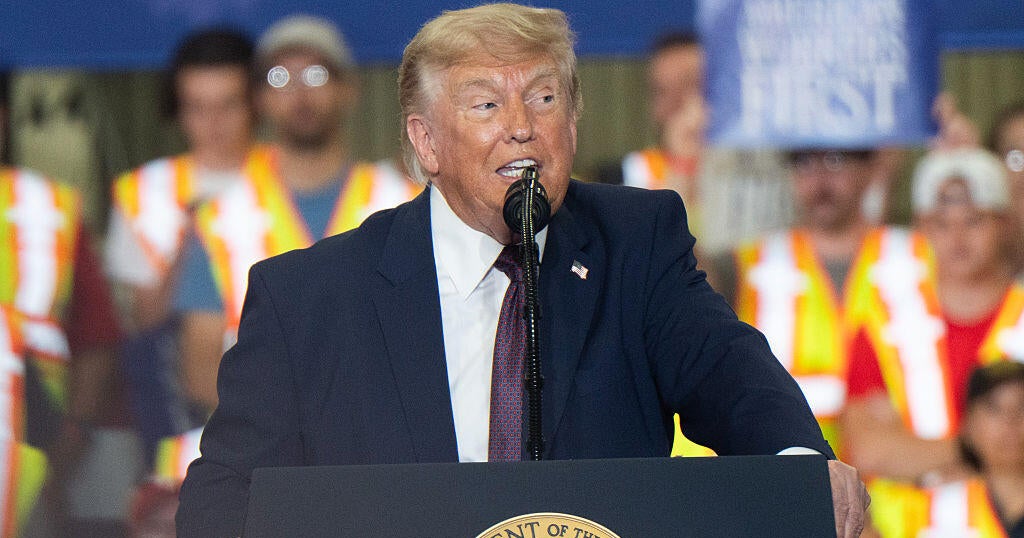
President Donald Trump announced the blockade Sunday after negotiations with Iran failed to produce an agreement to end the war. Since the United States and Israel launched attacks on Iran in late February, traffic through the Strait of Hormuz has been at a near-standstill, sparking a rise in the prices of oil and other key goods.
The U.S. said it would halt attacks for two weeks as negotiators worked on a longer-term deal. Officials have told NBC News a new round of in-person negotiations could begin this week.
Pakistan’s military chief arrived in Tehran as mediators sought to set up a second round of U.S.-Iran talks, according to The Associated Press.
President Donald Trump told ABC News on Wednesday that he didn’t think the ceasefire would need to be extended.
“I think you’re going to be watching an amazing two days ahead,” he said. “I really do.”
The U.S. military is using more than 100 U.S. fighter and surveillance aircraft, as well as more than a dozen ships, to enforce the blockade.
The official said the U.S. is stopping vessels as they enter the Gulf of Oman after they go through the Strait of Hormuz. The U.S. has more than a dozen ships in the Gulf of Oman, and it does not make sense to move them to the Persian Gulf, where they risk being in more danger, the official added.
Instead, the U.S. can use surveillance aircraft, crewed aircraft and sea-based surveillance systems like radars to identify ships that are leaving Iranian ports and coastal areas and communicate with them over radio to let them know they are violating the blockade and need to turn around after they transit the Strait of Hormuz, the U.S. official said.
The U.S. military directs the ships to go back to Iranian ports in the Gulf of Oman, rather than back through the Strait of Hormuz, because it has more options and assets in the Gulf of Oman to enforce the blockade.
So far, no ships have refused, but if they do, the U.S. military has full authority to use force to stop them, the official said, including using fighter aircraft or ships to fire on them.
The official is not aware of whether the ships that have transited and continued along — like the Chinese tanker the Rich Starry — have paid a toll to Iran. The official reiterated that the Starry was not in violation of the U.S. terms of the blockade because it originated in the United Arab Emirates, and the U.S. military did not order it to turn around.
NBC News Top Stories wp:paragraph
هلدینگ کاسپین استانبول | خرید ملک در ترکیه | صرافی معتبر ایرانی در ترکیه | خرید و فروش طلا در ترکیه | مهاجرت به ترکیه | واردات و صادرات در ترکیه | نیازمندیهای ترکیه | اخبار ترکیه | اخبار جهانی | توریست ایران | خدمات توریستی در ایران | تورهای گردشگری ایران | هلدینگ اول | خدمات کاریابی و فریلنسری و شغل | مرجع اطلاعات ایران (همه چیز در ایران) | کیف پول و خدمات مالی و پرداخت یار | اخبار ایران | تابلو زنده قیمت ارز در ترکیه و استانبول | صرافی آنلاین ترکیه | قیمت طلا و نقره در ترکیه | سرمایه گذاری در ترکیه | جواهرات در ترکیه | نرخ لحظه ای ارزها در استانبول | قیمت دلار امروز در ترکیه | قیمت دلار استانبول امروز | قیمت لحظه ای دلار | اخبار روز ترکیه استانبول | اپلیکیشن ISTEX | اپلیکیشن قیمت لحظه ای دلار و یورو و لیر و ارزها در ترکیه
About the Author