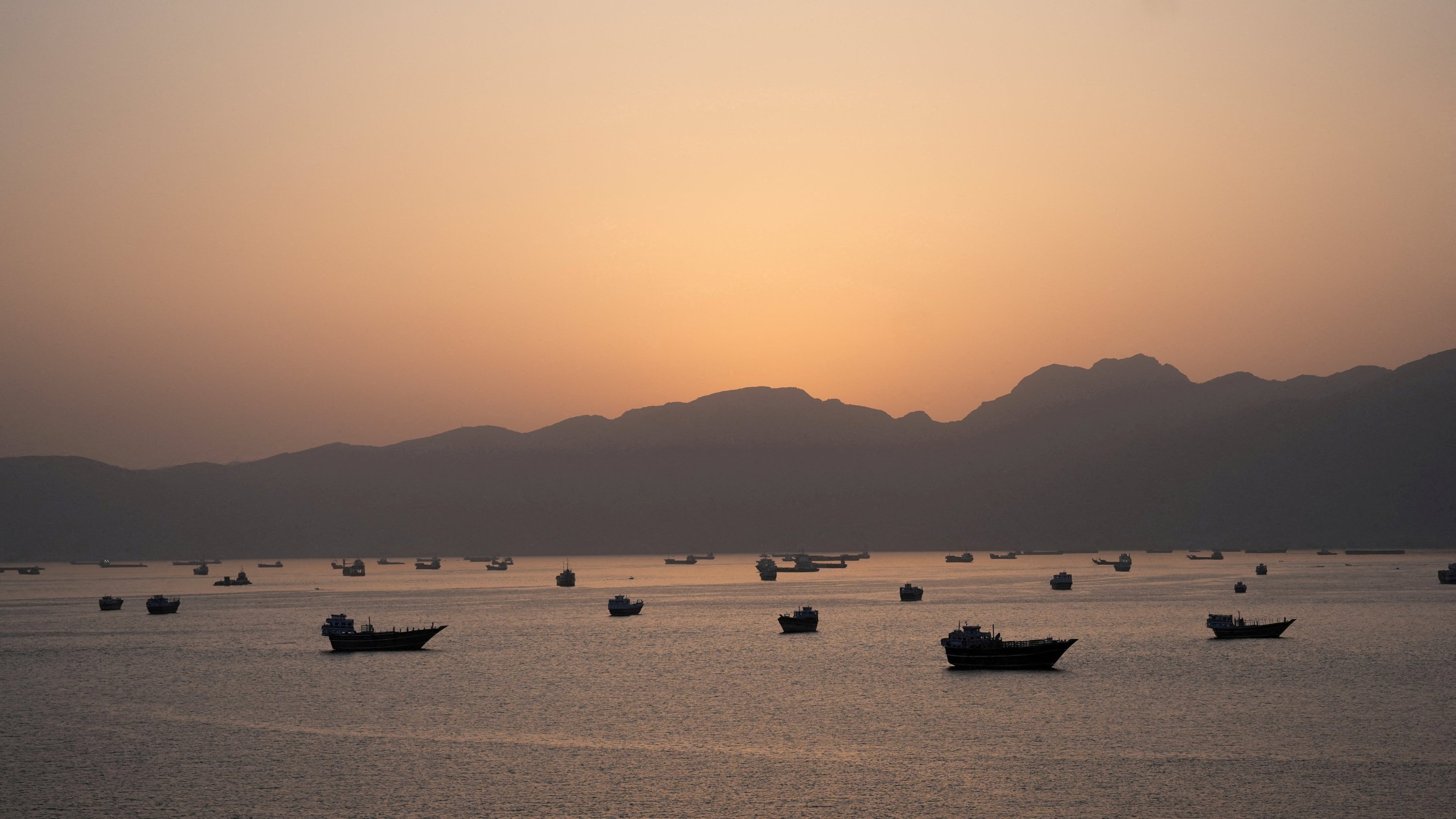
Germany’s top diplomat on Sunday demanded that Iran reopen the Strait of Hormuz and abandon its nuclear weapons program in a phone call with his Iranian counterpart Abbas Araghchi.
“I emphasized that Germany supports a negotiated solution,” Johann Wadephul said in a post on X about the call.
“As a close U.S. ally, we share the same goal: Iran must completely and verifiably renounce nuclear weapons and immediately open the Strait of Hormuz, as also demanded” by US Secretary of State Marco Rubio, Wadephul said.
In recent days, Wadephul and other German officials have been trying to ease a spat between U.S. President Donald Trump and German Chancellor Friedrich Merz.
Merz said on April 27 that Iran was “humiliating” Washington at the negotiating table, which provoked a series of angry responses from Washington.
The U.S. announced that 5,000 troops would be moved from U.S. military bases in Germany, and Trump also announced that U.S. tariffs on cars and trucks from the European Union would jump from 15% to 25% in coming days.
Trump accused the entire EU bloc of failing to comply with a trade deal signed last summer, even as the pact went through the bloc’s legislative process.
The new tariffs announced would hit Germany’s large car industry particularly hard.
Efforts to end the U.S.-Israeli war on Iran have made little apparent progress since a ceasefire came into effect in early April, and there are growing concerns over renewed escalation.
U.S. President Donald Trump said he would review a new plan submitted by Tehran, but stated that he “can’t imagine that it would be acceptable”. He added that, in his view, Iran has “not yet paid a big enough price”.
In a statement on Sunday, Iran’s Revolutionary Guards said the United States must choose between “an impossible operation or a bad deal with the Islamic Republic of Iran”.
Germany’s Merz has been critical of the war.
Merz and other European leaders have expressed particular concern about the economic fallout from the closure of the Strait of Hormuz.
Roughly a fifth of global oil supplies passed through the crucial waterway before the start of the war.