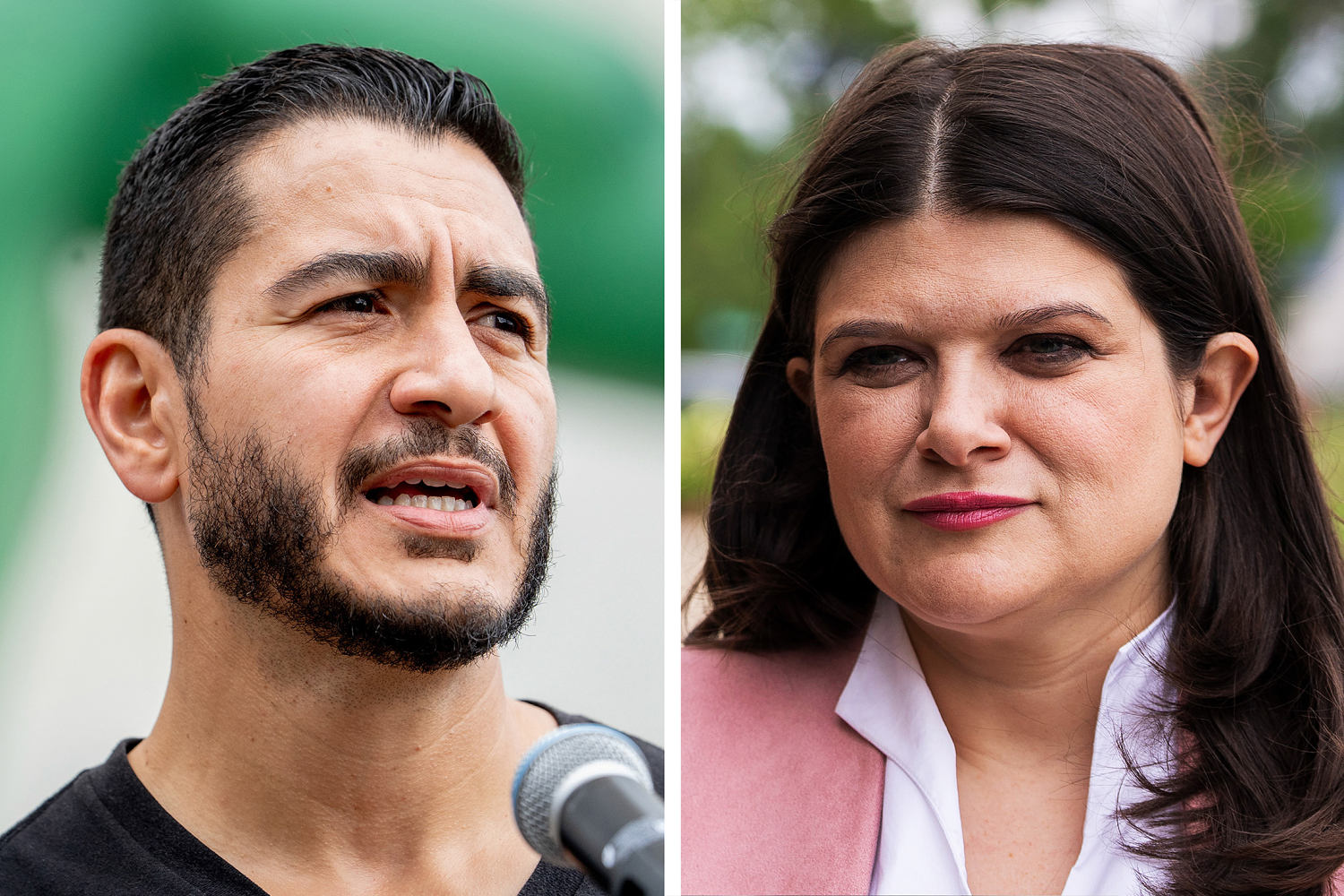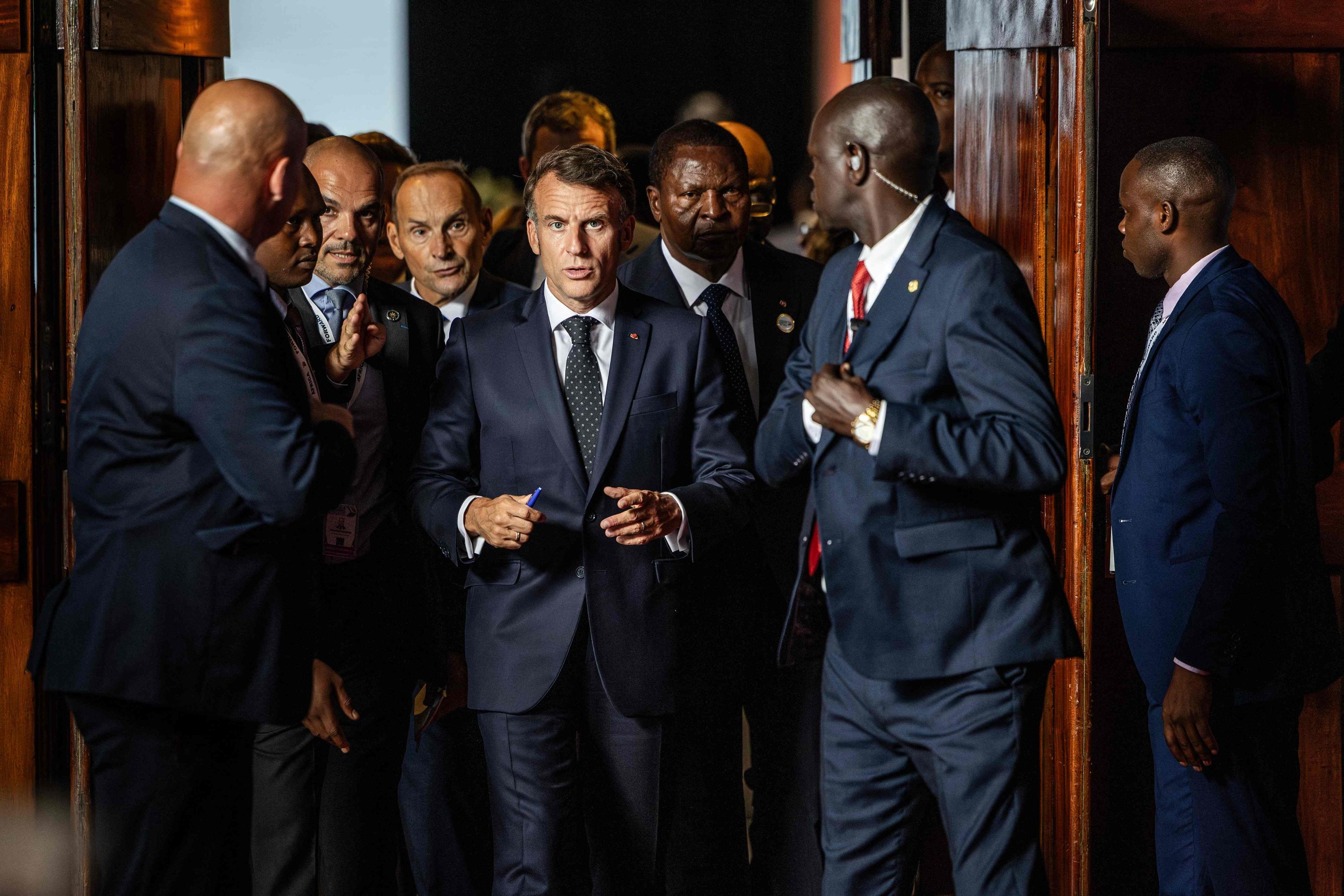
The global system is undergoing a deep transformation. Status and power-play schemes are being redefined, and major powers are struggling to keep pace with the currents reshaping international waters. Once, they ruled geographies with impunity, but today, they cannot even manage a press conference or sit through a cultural presentation without reaching for the old levers of command. The vocabulary has changed. The reflex has not.
Two incidents, separated by continents and months, make this structural failure unmistakably clear.
‘Act Civilized’
In August 2025, the U.S. ambassador to Türkiye and special envoy for Syria, Tom Barrack, triggered a wave of outrage in Lebanon after telling a room full of local journalists to “act civilized.”
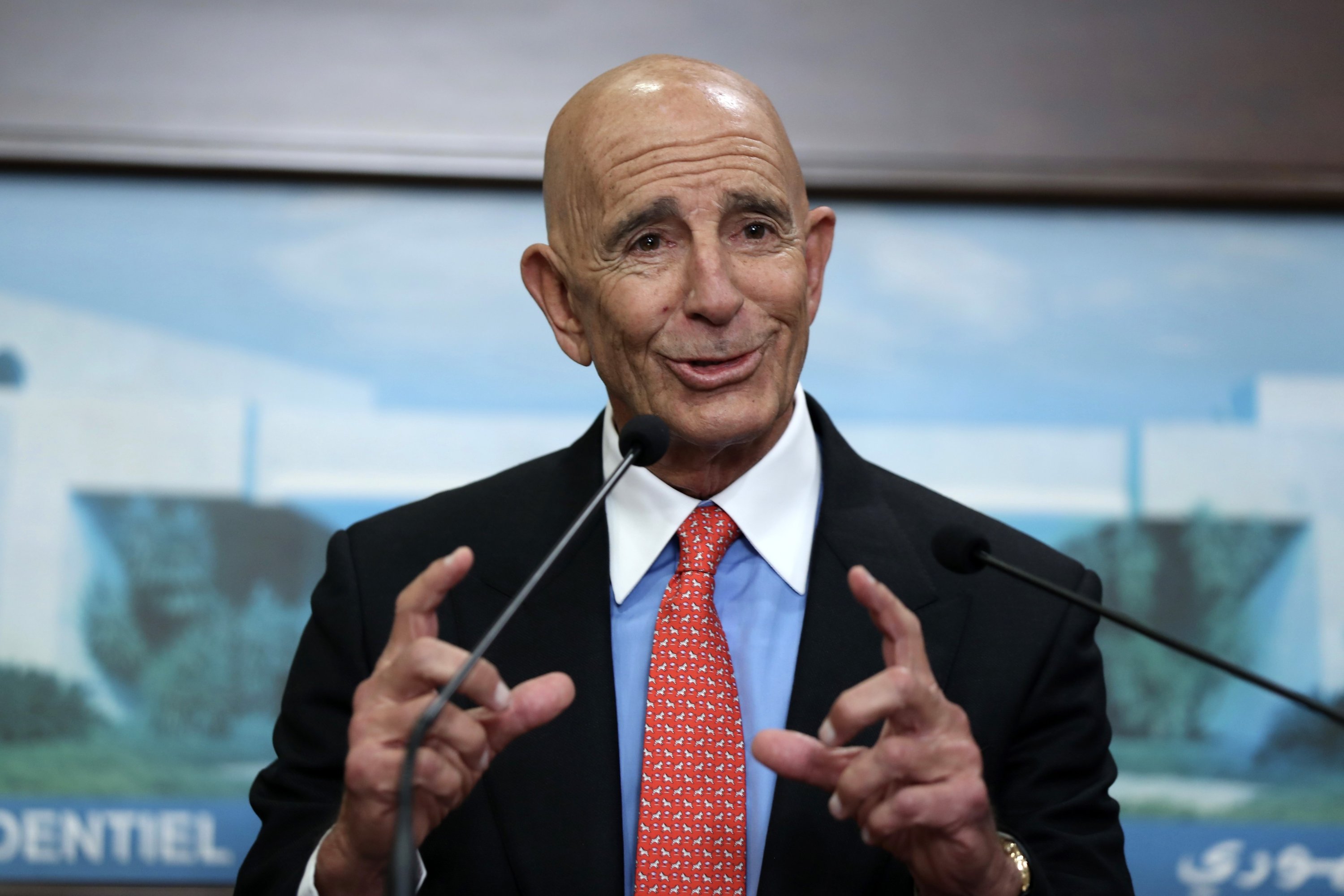
The remark came at a press conference following his meeting with Lebanese President Joseph Aoun in Beirut, where the central item on the agenda was the disarmament of Hezbollah. When reporters began asking questions simultaneously, as reporters the world over habitually do, Barack lost his composure. “The moment this starts becoming chaotic, like animalistic, we’re gone,” he said. “So, you want to know what’s happening? Act civilized … because this is the problem with what’s happening in the region.”
That statement deserves a close reading. A senior American diplomat, visiting a sovereign Arab nation, linked the behavior of its press corps to the pathologies of an entire region. His implication was not subtle: The disorder here is not a product of foreign military interventions, decades of proxy wars, or structural poverty. It is, for him, “a civilizational deficiency.”
‘Total lack of respect’
The second incident unfolded a continent away, in the Kenyan capital Nairobi, in May 2026, and it was, in its own way, even more revealing precisely because of the context in which it occurred.
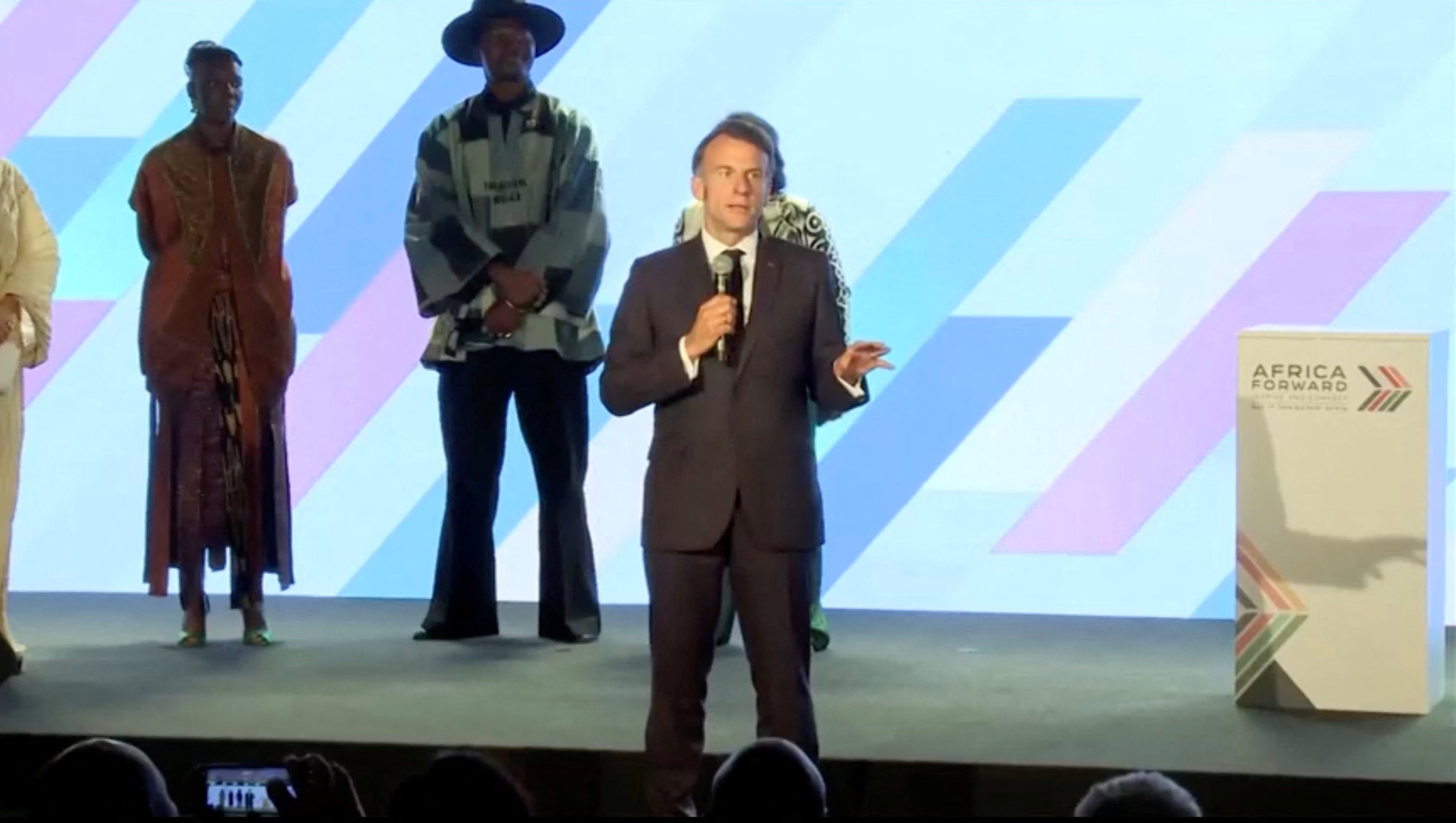
French President Emmanuel Macron stormed the stage at the Africa Forward Summit, interrupting a speaker to rebuke the audience for what he called a “total lack of respect” and accusing them of disrupting speakers. He had, just hours earlier, described himself as a “Pan-Africanist.” The irony could not have been more precisely constructed.
The Africa Forward Summit was not a routine diplomatic gathering. It was specifically designed to showcase France’s new policy for the continent. It was designed to demonstrate the change in its image – from a domineering, former colonial power to what Paris now describes as a partnership of equals.
Macron arrived bearing a significant offer: a $27 billion investment commitment spanning energy, artificial intelligence and agriculture. The money was substantial. But the message that the cameras captured was older and far more familiar: A European leader commanding an African audience to be quiet, in a summit convened to prove that such days were over.
Anatomy of structural rupture
These two episodes are not isolated diplomatic gaffes. They are symptoms of a structural rupture between the rhetorical repositioning of Western powers and the instincts that govern their actual behavior in the field.
France, which long maintained a colonial policy of economic, political and military influence over the African continent, has been losing its dominance. In the last decades, a deep fallout between France and its former West African colonies has emerged, leading to military withdrawals, broken agreements and a wave of governments turning to new partners. The loss of French influence in the Sahel has not been a random geopolitical accident. It is, in significant part, the accumulated product of precisely the condescension that Macron unwittingly performed in Nairobi.
As a result, France wants to return to the continent as “a partner” this time. The Africa Forward Summit was a part of this rebranding exercise. Yet that very rebranding broke down the moment an African audience behaved as though it were, in fact, an equal, noisy, opinionated and unbothered one.
The Barrack episode had revealed the same fault line on a different front. Washington dispatched an envoy to a complex, historically battered region with grand ambitions for stability, which includes disarming Hezbollah, stabilizing Syria and engineering a new Levant. But the envoy arrived with a transactional mindset and colonial sensibilities, genuinely surprised to find that Lebanese journalists did not treat American diplomacy as a benevolent intervention deserving of quiet gratitude.
When he told the Lebanese journalists to “act civilized,” the damage was not limited to one bad headline. It activated a historical register stretching back through decades of interventions, imposed conditions and broken promises. It confirmed, for audiences already primed by experience to be skeptical, that the partnership being offered is not between equals. Rather, it is between a patron and a recipient, governed by the patron’s rules of conduct.
Both cases point to the same gap: A failure of imagination, not merely of execution. The countries of the Global South are no longer passive objects of great-power policy. They are active subjects, with their own historical memory, their own alternative partnerships and an increasingly acute sensitivity to the residue of empires. They are watching not what power promises, but how power behaves when it is not performing for cameras, when the journalists shout questions, when the room gets noisy, when the audience does not applaud on cue.
The transformation of the global system is real. Multipolarity is no longer a forecast; it is the operative condition. Countries from Kenya to Lebanon are making consequential choices about alignments, partnerships and futures with a widening menu of options before them. In that environment, the old imperial reflexes are not merely offensive; they are strategically counterproductive. The nations that were once ruled have long memories and they are taking note.
Rebranding, however expensive and well-intentioned, cannot do the work that genuine unlearning requires. Two incidents, two continents, one lesson: the world has moved on. The question is whether Washington, Paris and the rest of the West are capable of doing the same.
The views and opinions expressed in this article are solely those of the author. They do not necessarily reflect the editorial stance, values or position of Daily Sabah. The newspaper provides space for diverse perspectives as part of its commitment to open and informed public discussion.
DAILYSABAH
هلدینگ کاسپین استانبول | خرید ملک در ترکیه | صرافی معتبر ایرانی در ترکیه | خرید و فروش طلا در ترکیه | مهاجرت به ترکیه | واردات و صادرات در ترکیه | نیازمندیهای ترکیه | اخبار ترکیه | اخبار جهانی | توریست ایران | خدمات توریستی در ایران | تورهای گردشگری ایران | هلدینگ اول | خدمات کاریابی و فریلنسری و شغل | مرجع اطلاعات ایران (همه چیز در ایران) | کیف پول و خدمات مالی و پرداخت یار | اخبار ایران | تابلو زنده قیمت ارز در ترکیه و استانبول | صرافی آنلاین ترکیه | قیمت طلا و نقره در ترکیه | سرمایه گذاری در ترکیه | جواهرات در ترکیه | نرخ لحظه ای ارزها در استانبول | قیمت دلار امروز در ترکیه | قیمت دلار استانبول امروز | قیمت لحظه ای دلار | اخبار روز ترکیه استانبول | اپلیکیشن ISTEX | اپلیکیشن قیمت لحظه ای دلار و یورو و لیر و ارزها در ترکیه
About the Author