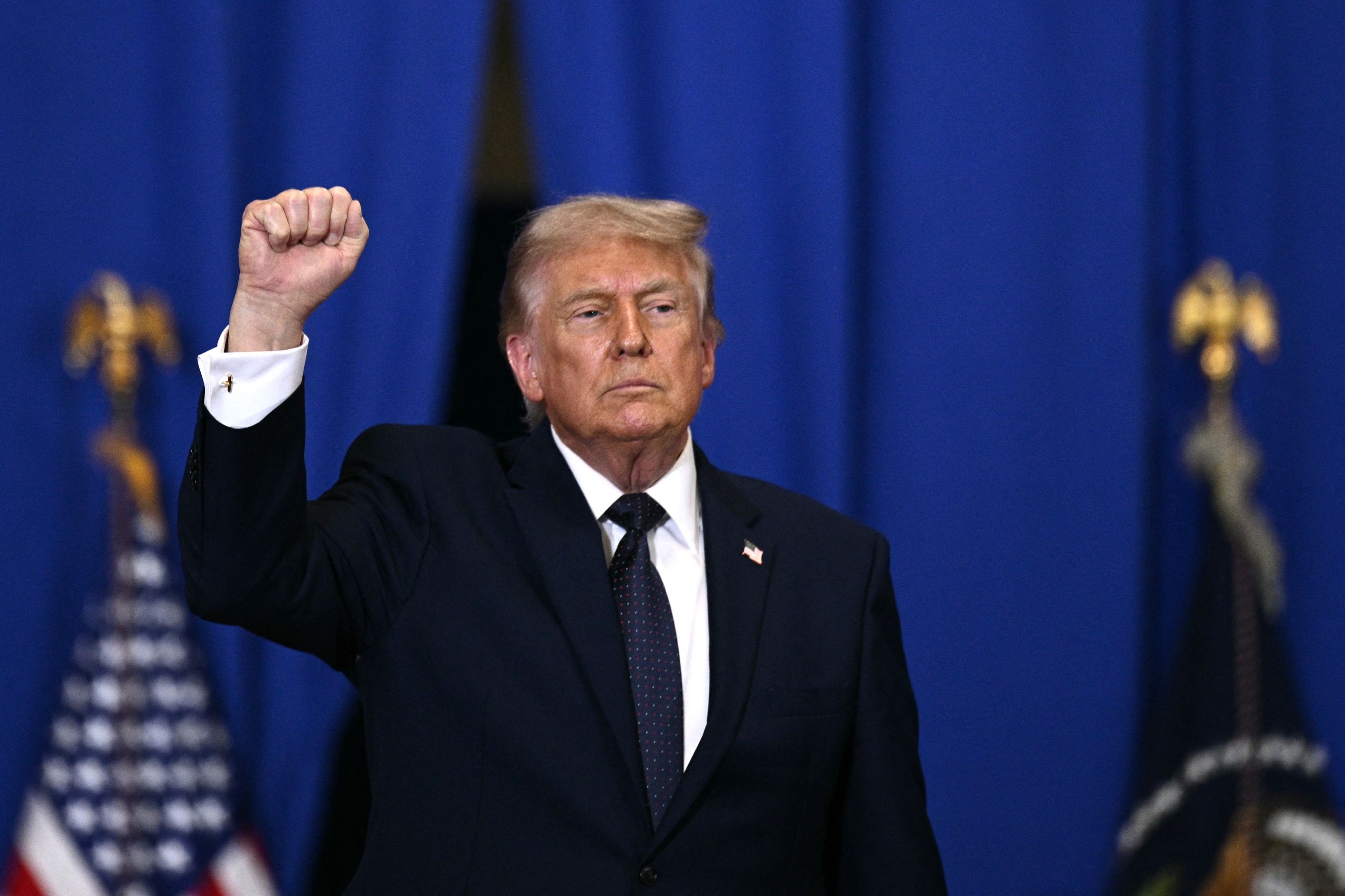
Iran and the United States are signaling cautious movement toward a possible diplomatic framework to end a three-month conflict, as President Donald Trump said negotiations with Iran were “proceeding nicely” and tied a potential deal to a wider push for countries to join the Abraham Accords.
Trump said the outcome would be “a Great Deal for all or, no Deal at all,” warning that failure would mean a return to conflict “bigger and stronger than ever before.” He also said he had pressed multiple countries to sign onto the Abraham Accords as part of what he described as efforts to make any Iran agreement a broader regional settlement.
Trump added that leaders he had spoken with would be “honored” to have Iran eventually included in the accords, a set of agreements aimed at normalizing relations with Israel.
U.S. Secretary of State Marco Rubio said Washington is still prioritizing diplomacy, but made clear it is not ruling out other options if talks collapse. Speaking to reporters in New Delhi, Rubio described the current state of negotiations as an opportunity to test whether a limited but structured deal can hold, particularly around maritime security in the Strait of Hormuz and the start of a time-bound nuclear negotiation process.
Rubio said there is a “pretty solid thing on the table,” pointing to a possible sequence in which shipping access is gradually restored through the strait in exchange for steps on Iran’s nuclear program. He framed the process as conditional and reversible, stressing that diplomacy would be given room to succeed before Washington considers what he called “alternatives.”
Iranian officials, however, pushed back on the suggestion that a near-term breakthrough is taking shape. Foreign Ministry spokesperson Esmaeil Baghaei said Tehran is engaged in discussions aimed at ending the war, but rejected the characterization that nuclear negotiations are currently underway in the way Washington has described them.
Baghaei said a general framework has been discussed but insisted that no agreement is imminent. He also stressed that key details remain unsettled, including how maritime operations in the Strait of Hormuz would be managed. Iran has argued that the waterway falls under the jurisdiction of coastal states, not external powers.
At the center of the emerging diplomatic architecture is a phased arrangement that links de-escalation on the battlefield with economic and nuclear concessions. The Strait of Hormuz, through which roughly a fifth of global oil and liquefied natural gas flows, remains a key pressure point in the talks.
Under the outline being discussed, U.S. officials say naval restrictions and shipping controls would be eased gradually if Iran agrees to specific nuclear steps, including the reduction or removal of its stockpile of highly enriched uranium. That material remains one of the most contentious issues in the negotiations.
American officials have suggested the stockpile could be either diluted under international supervision or transferred abroad, with technical oversight from global nuclear monitors. A senior U.S. official said compliance would be required before any meaningful sanctions relief is implemented.
Iran continues to insist its nuclear program is peaceful and maintains that enrichment is legal under international agreements for civilian energy use. Western governments, however, argue that Iran’s enrichment levels and accumulated stockpile have moved beyond what is needed for non-military purposes.
Another pillar of the discussions involves sanctions relief and access to frozen assets held in foreign banks. Iranian officials have made clear that economic relief is central to any agreement, particularly access to oil revenues restricted under sanctions.
Officials familiar with the talks say a 60-day negotiation window is being considered to convert an initial framework into a binding agreement, with sequencing on maritime access, nuclear compliance and financial easing still under discussion.
Beyond the U.S.-Iran channel, the broader regional situation remains complex, with parallel conflicts involving Israel, Hezbollah and other Iran-aligned groups continuing to shape the diplomatic environment.
DAILYSABAH
هلدینگ کاسپین استانبول | خرید ملک در ترکیه | صرافی معتبر ایرانی در ترکیه | خرید و فروش طلا در ترکیه | مهاجرت به ترکیه | واردات و صادرات در ترکیه | نیازمندیهای ترکیه | اخبار ترکیه | اخبار جهانی | توریست ایران | خدمات توریستی در ایران | تورهای گردشگری ایران | هلدینگ اول | خدمات کاریابی و فریلنسری و شغل | مرجع اطلاعات ایران (همه چیز در ایران) | کیف پول و خدمات مالی و پرداخت یار | اخبار ایران | تابلو زنده قیمت ارز در ترکیه و استانبول | صرافی آنلاین ترکیه | قیمت طلا و نقره در ترکیه | سرمایه گذاری در ترکیه | جواهرات در ترکیه | نرخ لحظه ای ارزها در استانبول | قیمت دلار امروز در ترکیه | قیمت دلار استانبول امروز | قیمت لحظه ای دلار | اخبار روز ترکیه استانبول | اپلیکیشن ISTEX | اپلیکیشن قیمت لحظه ای دلار و یورو و لیر و ارزها در ترکیه
About the Author