The 2026 FIFA World Cup will arrive with a wider field and a familiar sense of history being rewritten, as several European nations end long absences and step back into football’s biggest arena.
Set to run from June 11 to July 19 across the United States, Mexico and Canada, the tournament expands to 48 teams for the first time, reshaping qualification pathways and opening the door for long-awaited returns across Europe.
UEFA received 16 direct slots in the expanded format. Twelve teams qualified through group winners, while four more advanced via playoffs held in March 2026. Among them, seven nations are ending significant World Cup droughts, but none carries the symbolic weight of Türkiye’s return.
Türkiye end 24-year wait
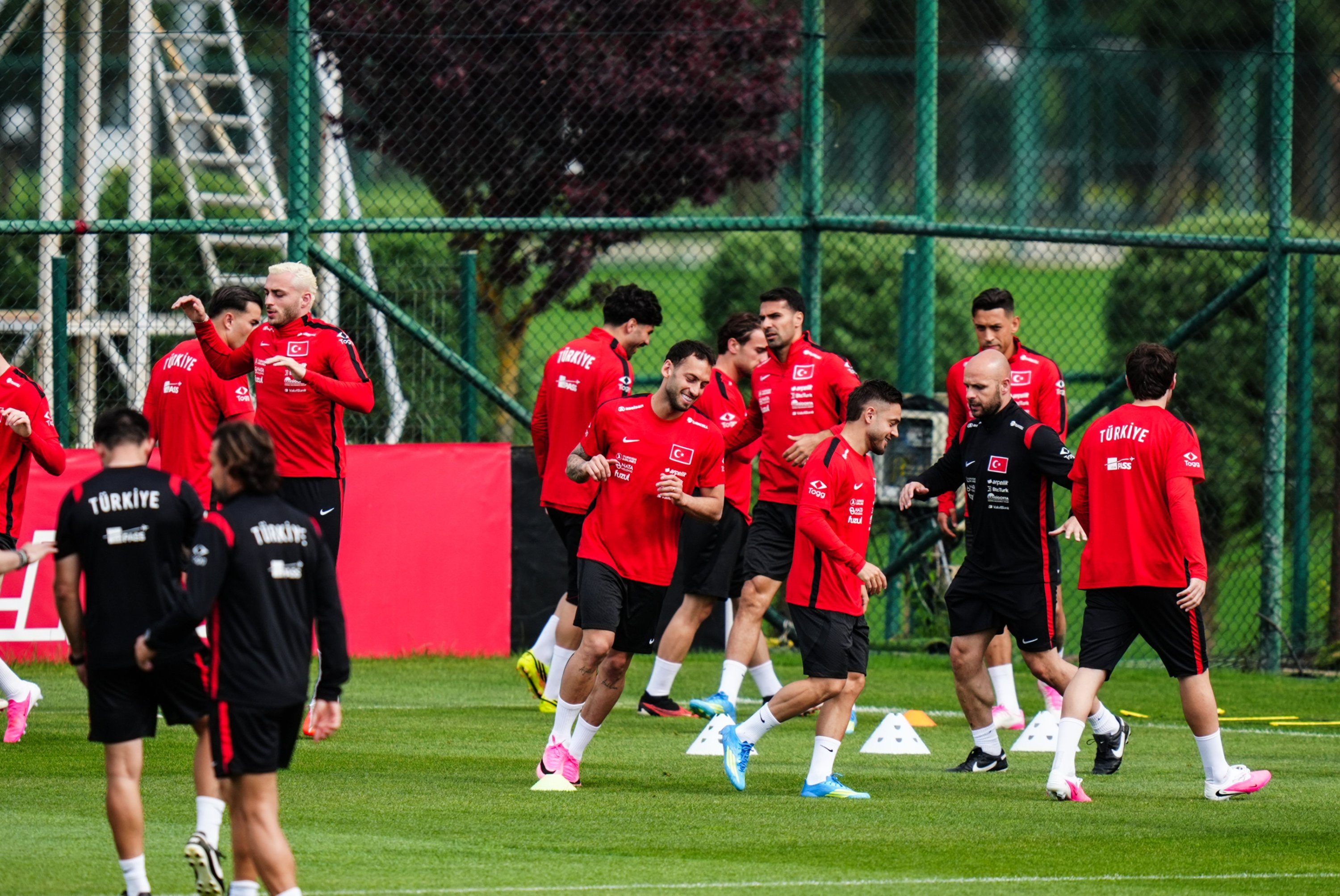
The Türkish Crescent-Stars will step back onto the World Cup stage for the first time since 2002, closing a 24-year absence that stretched across five failed qualification cycles and generations of near misses.
Their last appearance remains the defining reference point in modern Turkish football history.
At the 2002 tournament in Japan and South Korea, Türkiye delivered its greatest ever performance, finishing third after defeating co-hosts South Korea in the playoff for bronze under coach Şenol Güneş.
That run, powered by collective discipline and standout leadership, set a standard that has loomed over every campaign since.
Since then, Türkiye have oscillated between promise and disappointment.
They became regular participants at European Championships and remained competitive in the UEFA Nations League structure, yet consistently fell short in World Cup qualification.
The breakthrough for 2026 arrived through the playoffs, where Türkiye showed resilience in high-pressure matches, including a decisive win over Kosovo that secured their place in North America.
This return also signals a generational shift. The team is no longer anchored by veterans from earlier cycles. Instead, it is being shaped by a new core built around Arda Güler, whose creativity in midfield has drawn attention at Real Madrid, and Kenan Yıldız, whose development at Juventus has added attacking depth and confidence.
Three giants return after 28-year absence
A trio of European sides return after last appearing in 1998, marking one of the longest collective gaps in modern World Cup history.
Norway, Scotland and Austria all secured qualification for the 2026 edition, each through different paths but with a shared outcome, a return to relevance at the sport’s highest level.
Norway arrive as the most dominant of the three in qualifying. They topped their group with an unbeaten record, combining physical intensity with attacking efficiency. Their long absence from the tournament, despite flashes of talent over the years, is now broken by a generation led by Erling Haaland, whose presence has transformed expectations from participation to competitiveness.
Scotland’s return carries a different tone. Years of near misses and playoff heartbreak have given way to direct qualification and a long-awaited breakthrough for a squad shaped by Premier League experience and domestic cohesion. Their last appearance in 1998 ended at the group stage, but the current group arrives with far greater tactical discipline and depth.
Austria complete the trio with one of their most stable qualifying campaigns in decades. Their rise has been built on structure and continuity, supported by experienced leaders and a strong pipeline of emerging talent. It is a squad that blends maturity with momentum at the right time.
Czechia rediscover presence
Czechia return for the first time since 2006, ending a 20-year absence that reflected a long rebuilding phase after their strong early 2000s era.
Their qualification came through a tense playoff route, including a penalty shootout win over Denmark. The result underlined a team capable of surviving pressure moments, even without the consistent dominance they once enjoyed on the European stage.
Bosnia return
Bosnia and Herzegovina will appear at their second World Cup, ending a 12-year absence since their debut in 2014.
That first appearance in Brazil introduced them to the global stage with expectations built around veteran leadership and attacking quality.
This time, their return has been earned through another playoff campaign, including a key victory over Wales.
The squad now blends experience with a younger generation aiming to stabilize Bosnia’s presence in major tournaments rather than treating qualification as an exception.
Post-Zlatan Sweden
Sweden return after missing the 2022 World Cup, ending an eight-year gap since their quarterfinal run in 2018, their best performance since 1994.
Their qualification playoff win over Poland reflects a shift from reliance on individual stardom to a more collective identity.
The post-Zlatan Ibrahimovic era has forced structural adaptation, but also opened space for a more balanced and system-driven approach.
The expansion to 48 teams has altered the rhythm of qualification across continents, and Europe has been one of the main beneficiaries.
More places have reduced the margin for repeated exclusion while still preserving competitive intensity in qualifying groups and playoffs.
DAILYSABAH
هلدینگ کاسپین استانبول | خرید ملک در ترکیه | صرافی معتبر ایرانی در ترکیه | خرید و فروش طلا در ترکیه | مهاجرت به ترکیه | واردات و صادرات در ترکیه | نیازمندیهای ترکیه | اخبار ترکیه | اخبار جهانی | توریست ایران | خدمات توریستی در ایران | تورهای گردشگری ایران | هلدینگ اول | خدمات کاریابی و فریلنسری و شغل | مرجع اطلاعات ایران (همه چیز در ایران) | کیف پول و خدمات مالی و پرداخت یار | اخبار ایران | تابلو زنده قیمت ارز در ترکیه و استانبول | صرافی آنلاین ترکیه | قیمت طلا و نقره در ترکیه | سرمایه گذاری در ترکیه | جواهرات در ترکیه | نرخ لحظه ای ارزها در استانبول | قیمت دلار امروز در ترکیه | قیمت دلار استانبول امروز | قیمت لحظه ای دلار | اخبار روز ترکیه استانبول | اپلیکیشن ISTEX | اپلیکیشن قیمت لحظه ای دلار و یورو و لیر و ارزها در ترکیه
About the Author