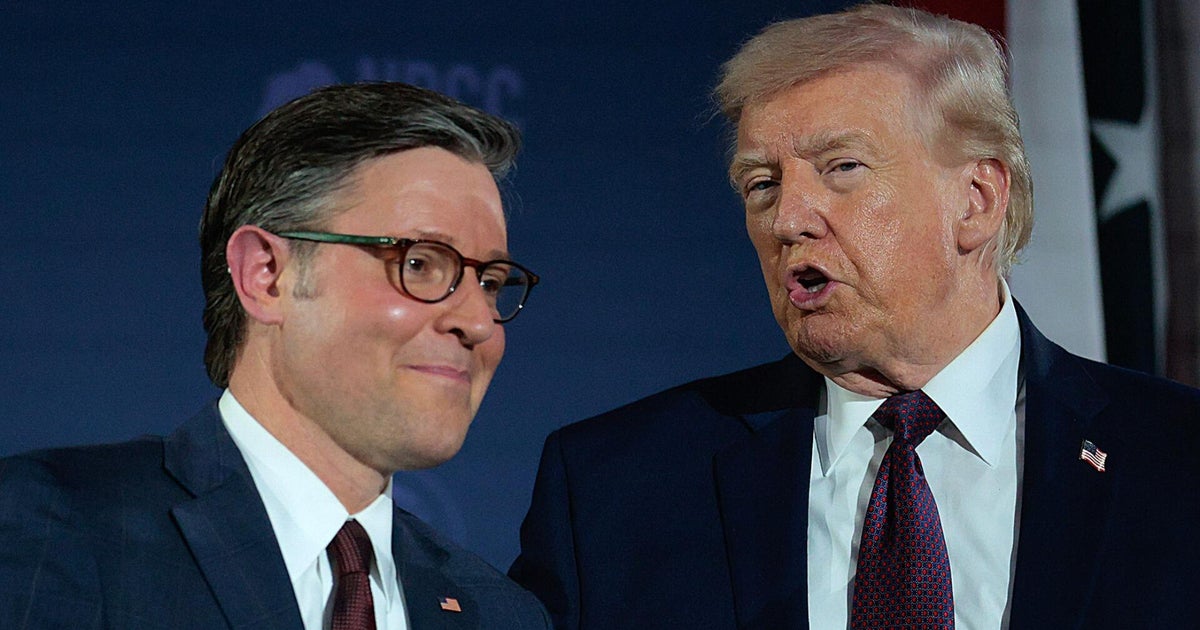
But before I bring you that, we have a statement from the Lebanese embassy in Washington, via the X account of office of Joseph Aoun, the president of Lebanon.
“The Lebanese authorities [have] received confirmation of Hezbollah’s agreement to the US proposal, which calls for a reciprocal cessation of attacks,” the statement reads.
“Under the proposed arrangement, Israeli strikes on Beirut’s southern suburbs would cease in exchange for Hezbollah refraining from carrying out attacks against Israel, with the ceasefire framework to be expanded to encompass all Lebanese territories.”
The statement added that Donald Trump held a call with Lebanon’s ambassador to the US, Nada Maawad, and informed her “that he had obtained the approval of Israeli prime minister Benjamin Netanyahu for the proposed arrangement”.
“Ambassador Maawad relayed the outcomes of the discussions to President Aoun, who in turn notified Hezbollah of them,” it goes on. (It’s unclear if this is what Trump was referring to when he said he had had a “very good call” with Hezbollah “through highly placed representatives”.)
Referring to upcoming negotiations between Israel and Lebanon, the statement ends: “The scheduled negotiation meetings on Tuesday and Wednesday are set to convene to discuss this progress and build upon it.”
Hezbollah MP Hassan Fadlallah has said that the group supports a “full ceasefire on all Lebanese territory”.
The ceasefire would be a precursor to the withdrawal of Israeli troops from Lebanon, Fadlallah added in comments made to the al-Manar broadcaster, as reported by Al Jazeera.
Earlier, the Lebanese presidency said that Hezbollah had accepted “a reciprocal cessation of attacks”, but Israeli prime minister Benjamin Netanyahu said the IDF would “continue to operate as planned” in southern Lebanon.
Itamar Ben-Gvir, Israel’s minister of national security, has urged Benjamin Netanyahu to tell Donald Trump “no” – and to strike Hezbollah anyway.
Writing on X, he said:
Mr Prime Minister,
You said that a strong prime minister tells the President of the United States – ‘yes’ when possible, and ‘no’ – when necessary.
This is the time to tell our friend, President Trump – ‘no’.
Now is the time to do what is required and necessary to strike Hezbollah, to unleash the hands of our fighters, and to restore security to the north.
And now we have Israeli prime minister Benjamin Netanyahu’s response.
Netanyahu said that he told Donald Trump that his country would strike Beirut if Hezbollah doesn’t stop attacking Israel.
“I spoke this evening with President Trump and told him that if Hezbollah does not cease attacking our towns and our citizens, Israel will strike terrorist targets in Beirut,” Netanyahu said, according to a statement released by his office.
He added: “Our position on this remains unchanged. At the same time, the IDF will continue to operate as planned in southern Lebanon.”
But before I bring you that, we have a statement from the Lebanese embassy in Washington, via the X account of office of Joseph Aoun, the president of Lebanon.
“The Lebanese authorities [have] received confirmation of Hezbollah’s agreement to the US proposal, which calls for a reciprocal cessation of attacks,” the statement reads.
“Under the proposed arrangement, Israeli strikes on Beirut’s southern suburbs would cease in exchange for Hezbollah refraining from carrying out attacks against Israel, with the ceasefire framework to be expanded to encompass all Lebanese territories.”
The statement added that Donald Trump held a call with Lebanon’s ambassador to the US, Nada Maawad, and informed her “that he had obtained the approval of Israeli prime minister Benjamin Netanyahu for the proposed arrangement”.
“Ambassador Maawad relayed the outcomes of the discussions to President Aoun, who in turn notified Hezbollah of them,” it goes on. (It’s unclear if this is what Trump was referring to when he said he had had a “very good call” with Hezbollah “through highly placed representatives”.)
Referring to upcoming negotiations between Israel and Lebanon, the statement ends: “The scheduled negotiation meetings on Tuesday and Wednesday are set to convene to discuss this progress and build upon it.”
We’re now getting lines through from Hezbollah via Reuters regarding Trump’s announcement a short while ago that Israel and the Lebanon-based militant group have agreed not to attack each other. I’ll bring you more details here as I get them.
Further to that, Iraqi officials have told Reuters that the cargo vessel was actually struck twice, once by a drone.
The second explosion struck the same vessel and was the result of a drone attack, according to an initial assessment, they said.
The fire onboard the vessel was later brought under control, they added.
“As we were assessing the damage from the first explosion, we heard a drone hovering overhead, followed by a powerful blast that sparked a fire on the tanker,” an Iraqi maritime patrol member told Reuters.
No one has claimed responsibility for the attack and no information on the identity of the vessel was available.
Earlier, a cargo vessel experienced a “large explosion” after being hit by a projectile in the Gulf, according to UK Maritime Trade Operations (UKMTO).
UKMTO said the incident happened at around 2pm UK time, around 40 nautical miles southeast of the port city of Umm Qasr in southern Iraq.
The vessel was hit by an “unknown projectile” on its starboard side, causing a “large explosion”, it said. Authorities are investigating the incident.
Earlier, Israel’s defence ministry claimed that France has banned Israeli government representatives from attending the Eurosatory defence exhibition in Paris this month.
France also reportedly banned Israeli weapons makers from exhibiting any systems other than air defence products, “with offensive systems explicitly excluded”.
“This is a disgraceful decision, one that reeks of political and commercial calculation, and regrettably, it comes as no surprise,” Israel’s defence ministry said in a statement.
On Sunday, French president Emmanuel Macron requested an emergency UN security council meeting amid Israel’s advance further into southern Lebanon.
“Nothing can justify the continuation of Israeli military operations in Lebanon and an ever-deeper occupation of Lebanese territory,” foreign minister Jean-Noël Barrot told the French broadcaster BFMTV.
In a second Truth Social post, the US president claimed that “talks are continuing, at a rapid pace, with the Islamic Republic of Iran”.
This is despite earlier reports that Tehran had suspended message exchanges with Washington over Israel’s continued attacks in Lebanon.
As Israel threatens to bomb Beirut (or perhaps not – see my last post) and the US and Iran trade missile strikes, Donald Trump has insisted it will “all work out well in the end” and urged his critics to “sit back and relax”.
So are we any closer to a deal? In today’s edition of The Latest podcast, Lucy Hough speaks to diplomatic editor Patrick Wintour.
Further to that, Donald Trump has said that Israel will not send troops to Beirut following a call with Benjamin Netanyahu.
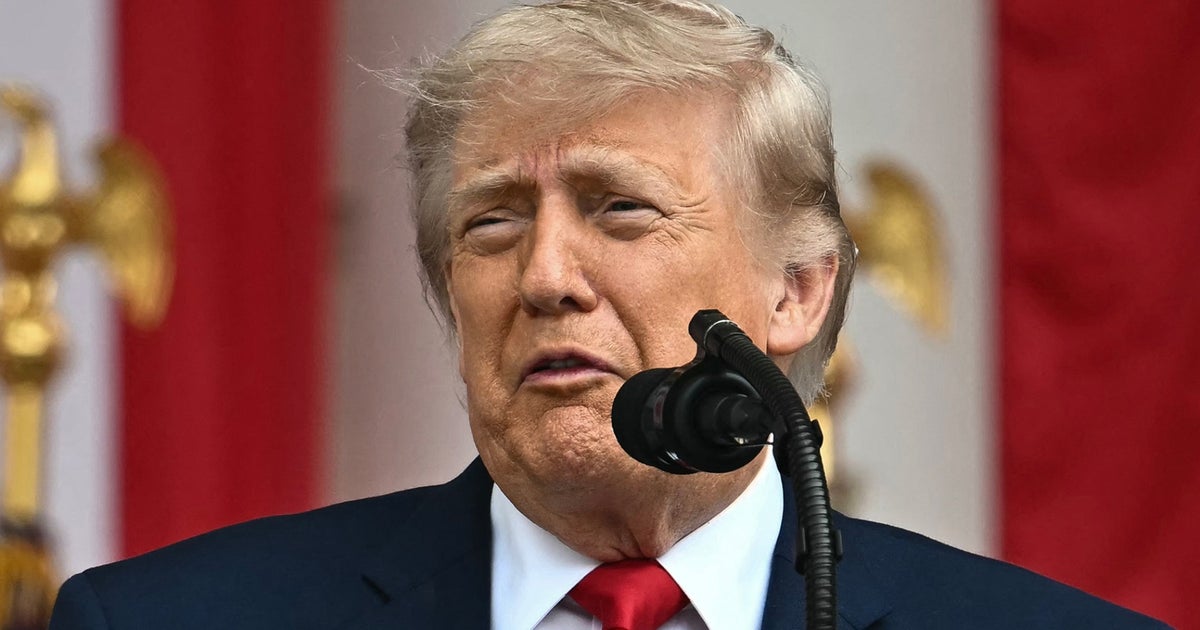
“I had a very productive call with Prime Minister Bibi Netanyahu, of Israel, and there will be no Troops going to Beirut, and any Troops that are on their way, have already been turned back,” Trump wrote in a post on Truth Social.
He added that he also had a “very good call” with Hezbollah through representatives and that “they agreed that all shooting will stop”.
“Israel will not attack them, and they will not attack Israel,” he said.
I’ll bring you any comment from Israel and Hezbollah as I get it. If Trump has actually spoken to Hezbollah and not one of its allies, that would be unprecedented.
More from Donald Trump now, who has told CNBC that he “couldn’t care less” if negotiations with Iran are over.
Shrugging off the possible collapse of peace negotiations, the US president said: “I don’t care if they’re over, honestly.”
“I really don’t care. I couldn’t care less,” Trump went on, adding that he thought the protracted talks “started to get very boring”.
“If they’re over, they’re over. If they’re not, you know, I think they took too much time. Frankly, I thought they started to get very boring,” he said.
As we’ve been reporting, this comes after Iran halted message exchanges with the US amid Israel’s ongoing assault on Lebanon.
Iran’s foreign minister Abbas Araghchi said earlier on Monday that the ceasefire between Iran and the US “is unequivocally a ceasefire on all fronts, including in Lebanon. Its violation on one front is a violation of the ceasefire on all fronts.”
Reuters reported that Trump later held a phone call with Israeli prime minister Benjamin Netanyahu (I’ll bring you more on that as I get it).
Trump also told CNBC – as he has said many times before – that he is not worried about oil prices, which spiked following Iran’s announcement earlier on Monday.
“I think the oil will be dropping like a rock in the very near, you know, the very near distance,” he said.
Further to that last post, Iran earlier threatened to attack northern Israel if Israel hits Beirut again with strikes.
Iran’s central military command warned residents in the area to leave to avoid being harmed in the event that Israel carries out its planned attacks on Beirut’s southern suburbs.
The Israeli prime minister, Benjamin Netanyahu, and his defence minister, Israel Katz, said earlier on Monday that they had instructed the military to strike “terrorist targets” in the southern suburbs for what they described as “repeated and ongoing violations of the ceasefire by Hezbollah”.
The Israeli military subsequently issued an evacuation order for residents of Beirut’s southern suburbs – as they have done repeatedly over the last three months – prompting residents to flee en masse, with roads leading out of the area choked with cars.

Donald Trump has told NBC News that he had not been informed of Tehran’s decision to suspend talks with Washington ahead of time but that, “I think it’s fine if they’re done talking.”
“It’s an appropriate thing to say, because they’re better negotiators than they are fighters,” he said in a brief phone call. “But they haven’t informed us of that.”
“It doesn’t mean we’re going to go and start dropping bombs all over there,” the US president added. On Friday, he said he would soon decide on a proposed deal to extend the fragile ceasefire that has been in place since early April. “We’ll keep the blockade,” he said.
He added: “If they don’t want to talk, that’s okay with me. I think it’s fine. I don’t particularly want to talk either. I think we’ve been talking too much, if you want to know the truth. I think going silent would be very good, and that could be for a long time.”
Earlier, Iran’s semi-official Tasnim news agency reported that Tehran had said there would be no peace talks with the US until its demands on the cessation of Israeli operations in Lebanon and Gaza are met.
Tehran’s negotiating team was pulling out of message exchanges through mediators with Washington over Israel’s ongoing offensive in Lebanon, Tasnim reported.
Tasnim further reported that Iran and its proxies will look to completely block the strait of Hormuz. It said it will also look to “activate” other fronts, including the Bab el-Mandem strait, which sits off the coast of Yemen.
The Iranian foreign minister, Abbas Araghchi, said “unequivocal violation of the ceasefire on one front is a violation of the ceasefire on all fronts” and the US and Israel would be held responsible.
Thousands of Beirut residents fled their homes on Monday after Benjamin Netanyahu instructed the Israeli military to bomb the city’s southern suburbs. The Israeli prime minister had vowed on Sunday to push even further into the country, where the IDF is already occupying large swathes of the south.
Iran’s military central command warned residents of northern Israel to leave in the event that Israel carried out such attacks on Beirut or its southern suburbs.
-
Iran’s Revolutionary Guards threatened to open “new fronts” and keep the strait of Hormuz closed over Israel’s offensive in Lebanon, state media reported. “Iran considers crossing the red lines in Lebanon and Gaza to mean direct war,” state TV quoted the Guards’ intelligence organisation as saying.
-
Israel has issued evacuation orders to residents of seven villages in southern Lebanon, including Houmine al-Faouqa, Bnaafoul, Arab Salim, Roumine, Aazze, Arki and Jbaa. “Out of concern for your safety, you must evacuate your homes immediately and move away from the villages and towns by a distance of at least 1000 meters to open areas,” IDF Arabic language spokesperson, Avichay Adraee, said in a post on X.
-
The Lebanese parliament speaker has told the US that Hezbollah is ready for a full and immediate ceasefire with Israel and pledged to guarantee its implementation. Nabih Berri informe the Trump administration on Sunday, Berri’s top adviser Ali Hamdan told Axios.
-
Israel’s defence minister said there would be “no calm in Beirut” if Hezbollah attacks continued and vowed to establish a military-controlled zone in the area of south Lebanon’s Litani River. “The Dahiyeh in Beirut is no different from the communities in northern Israel – if there is no calm in the north, there will be no calm in Beirut,” Israel Katz said in a statement released by his office, referring to Lebanese capital’s southern suburbs, a Hezbollah stronghold where he and Israeli PM Benjamin Netanyahu had earlier ordered strikes.
-
Oil prices jumped and equities slid on Monday as Middle East peace talks stumbled and tensions mounted between Iran and the United States. Crude futures shot more than 5% higher as an Iranian news agency announced Tehran had suspended the negotiations with the United States via mediators, AFP reported.
-
Israeli airstrikes overnight on southern Lebanon left six people dead, including a Syrian citizen in a village near the city of Nabatiyeh, AP reports, citing Lebanon’s state-run National News Agency. The Israeli military meanwhile said it had intercepted two projectiles launched from Lebanon toward Israeli territory, as well as a suspicious aerial target in the area where Israeli soldiers are operating in southern Lebanon. No injuries were reported, the military said.
-
The ceasefire already in place between Iran and the United States is unequivocally a ceasefire on all fronts, including in Lebanon, Iran’s top diplomat said on Monday after Israeli prime minister Benjamin Netanyahu ordered attacks on the Hezbollah-controlled southern suburbs of Beirut. “Violation on one front is a violation of the ceasefire on all fronts. The US and Israel are responsible for the consequences of any violation,” foreign minister Abbas Araqchi wrote on X.
-
Hezbollah said its fighters were still battling Israeli troops near south Lebanon’s Beaufort castle, a day after Israel said it seized the fortress and troops raised the Israeli flag there. In a statement issued by Hezbollah’s operations room, the group said its fighters were in a “battle of attrition against forces of the Israeli enemy army who are present in the area”.
-
US forces intercepted two Iranian ballistic missiles targeting American forces based in Kuwait late on Sunday, the US military said on Monday. It added that no American personnel were harmed.
-
The European Union on Monday urged Israel to halt its military operation in Lebanon, after Israel seized the strategic Beaufort Castle and said it would resume strikes on southern Beirut. “We call on Israel to stop its military escalation in Lebanon and to respect Lebanon’s sovereignty and territorial integrity,” EU spokesman Anouar El Anouni said.
-
A cargo vessel transiting the Gulf about 40 nautical miles southeast of Umm Qasr, Iraq, has been hit by an unknown projectile on its starboard side, causing a large explosion, United Kingdom Maritime Trade Operations (UKMTO) said. UKMTO said it was unaware of any immediate environmental impact.
-
Iranian president Masoud Pezeshkian promised Japan to enable the passage of its ships through the strait of Hormuz, which has been mostly closed since the start of the Middle East war in February. “We will try to provide a smooth and easy passage for Japanese ships,” Pezeshkian told Japanese prime minister Sanae Takaichi during a phone conversation, according to the presidency.
-
US forces have helped dozens of commercial vessels through the strait of Hormuz in recent weeks, according to the New York Times, citing US officials. US Central Command has guided around 70 commercial ships through the strait over the last three weeks, one of the officials said, speaking on condition of anonymity.
The Guardian wp:paragraph
هلدینگ کاسپین استانبول | خرید ملک در ترکیه | صرافی معتبر ایرانی در ترکیه | خرید و فروش طلا در ترکیه | مهاجرت به ترکیه | واردات و صادرات در ترکیه | نیازمندیهای ترکیه | اخبار ترکیه | اخبار جهانی | توریست ایران | خدمات توریستی در ایران | تورهای گردشگری ایران | هلدینگ اول | خدمات کاریابی و فریلنسری و شغل | مرجع اطلاعات ایران (همه چیز در ایران) | کیف پول و خدمات مالی و پرداخت یار | اخبار ایران | تابلو زنده قیمت ارز در ترکیه و استانبول | صرافی آنلاین ترکیه | قیمت طلا و نقره در ترکیه | سرمایه گذاری در ترکیه | جواهرات در ترکیه | نرخ لحظه ای ارزها در استانبول | قیمت دلار امروز در ترکیه | قیمت دلار استانبول امروز | قیمت لحظه ای دلار | اخبار روز ترکیه استانبول | اپلیکیشن ISTEX | اپلیکیشن قیمت لحظه ای دلار و یورو و لیر و ارزها در ترکیه
/wp:paragraph wp:paragraph /wp:paragraph
About the Author