U.S. Secretary of State Marco Rubio said Tuesday that Iran has agreed to discuss previously off-limits aspects of its nuclear program, raising hopes that ongoing negotiations could pave the way for the reopening of the Strait of Hormuz and a broader diplomatic breakthrough.
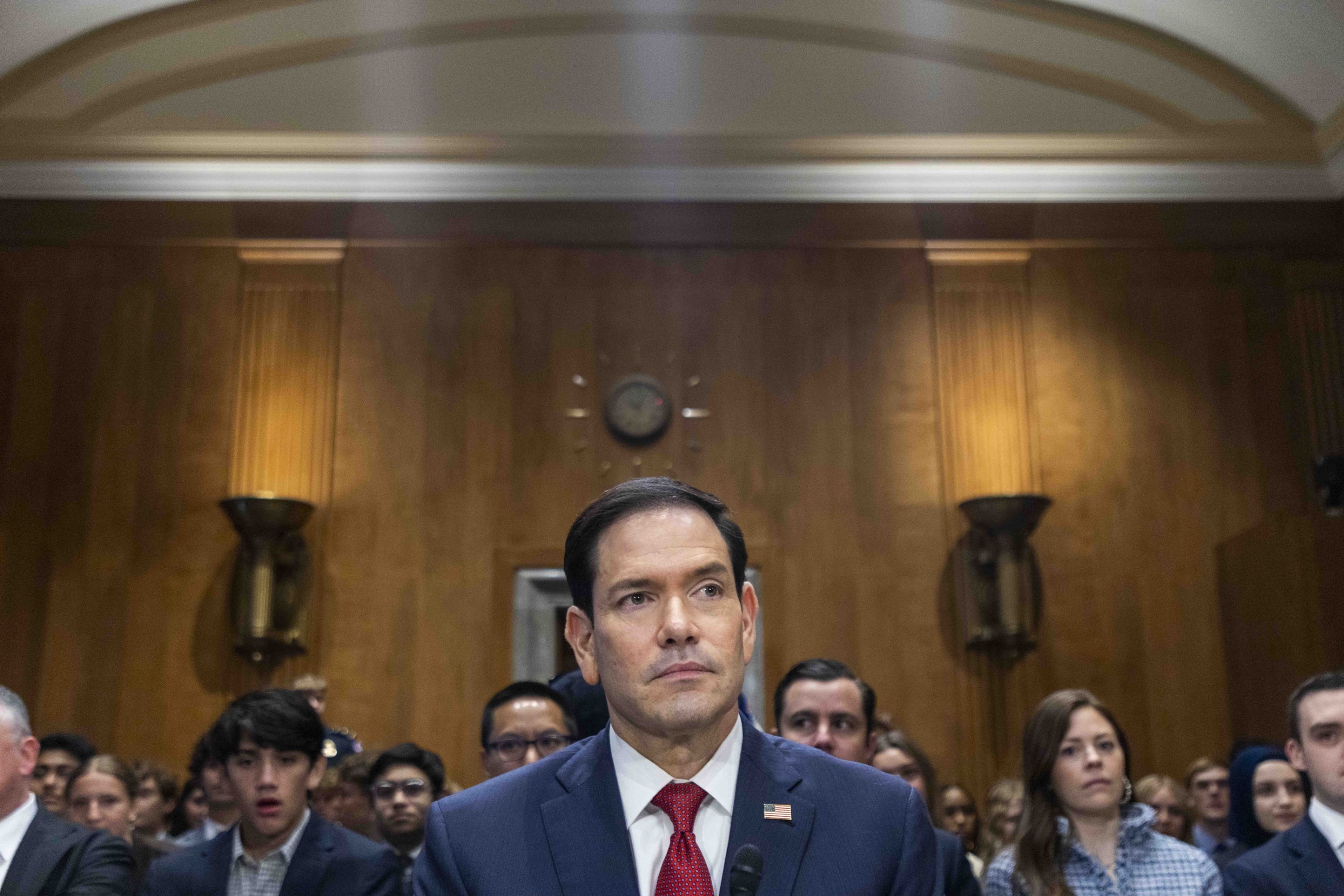
Speaking at a Senate Foreign Relations Committee hearing on the State Department’s budget request, Rubio said: “We are in talks… There is the prospect before us, which could happen today, it could happen tomorrow, it could happen next week, that for the first time, certainly in my memory, they have agreed to negotiate aspects of their nuclear program.”
He said the U.S. hopes such negotiations could lead to a broader understanding that would include the reopening of the strategic waterway.
“We’re hopeful that something like that could happen, in which the straits would reopen, we would enter into a period of negotiations on very specific topics, delineated negotiations, in the hope of reaching an outcome that’s acceptable to us and something they would be able to do as well,” he said.
Rubio strongly criticized Iran’s actions in the Strait of Hormuz, calling them “unlawful and illegal.”
“There isn’t a country on earth, other than Iran, and maybe Oman that flirted with it, that’s in favor of what Iran is doing in the straits,” he said. “The Chinese are against it, the Russians are against it, everyone is against it, the whole world is against it.”
He said reopening the strait means that ships should be able to transit through international waters “without being fired upon” and “without paying a toll.”
Asked whether sanctions relief had been discussed in exchange for reopening the strait, Rubio replied: “No, that hasn’t been discussed.”
“Any sanctions relief is condition-based, which means it has to be in return for the reason why those sanctions were put in place in the first place, which is their nuclear program,” Rubio said.