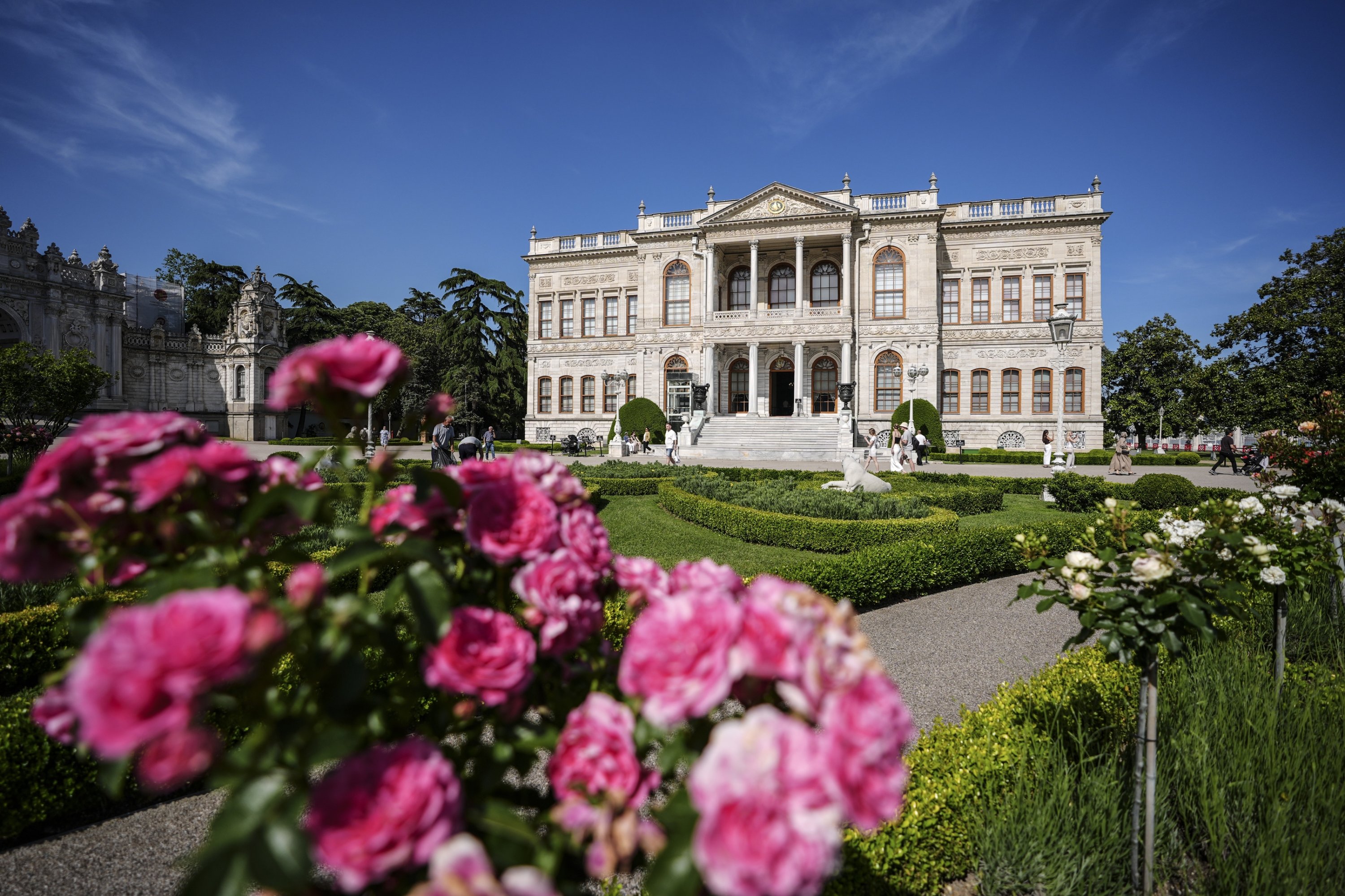
It has been 170 years since Dolmabahçe Palace, one of the most striking masterpieces of the late Ottoman era, first opened its doors.
Built on the orders of Sultan Abdülmecid and officially opened on June 7, 1856, the palace remains one of the iconic landmarks that bears witness to the late Ottoman era as well as key moments in Republican history.
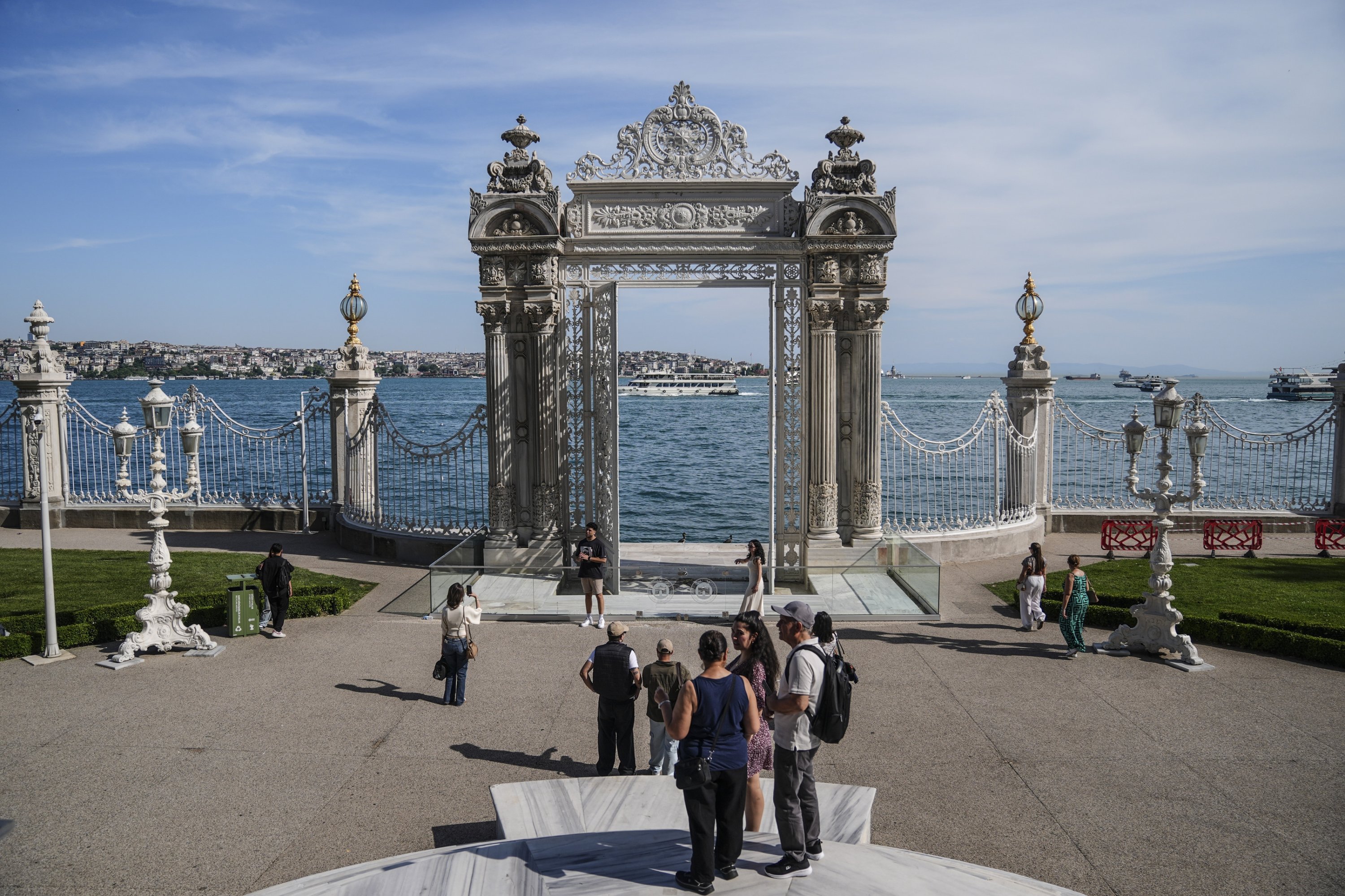
Situated along the Beşiktaş shoreline in Istanbul, Dolmabahçe Palace was constructed on a 110,000-square-meter (approximately 27 acres) site that had once been a natural bay for centuries. Over time, the area was filled in during the reign of Sultan Osman II and came to be known as “Dolmabahçe.” It gradually evolved into a royal garden and later became part of the Beşiktaş seaside palace complex. Today, it stands among Istanbul’s most significant cultural and historical heritage sites.
The palace complex spans a vast area and includes the main structures such as the Mabeyn, the Muayede Hall, the Harem and the Crown Prince’s apartments. It is also home to several other notable buildings, including the Bezmialem Valide Sultan Mosque, the Imperial Stables, the Palace Theater, the Clock Tower, the Treasury Department and the Furnishings Department.
Across the wider grounds, additional sections include the Kuşluk Pavilion, the Glass Pavilion, quarters for senior concubines and the chief eunuch, as well as residences for palace officials such as the guards, senior officers, attendants and close companions of the Sultan.
‘Turkish way of life’
Güller Karahüseyin, Head of Museums and Promotion at the National Palaces Administration, told the Anadolu Agency (AA) correspondent that the palace was commissioned by Sultan Abdülmecid and built between 1843 and 1856. According to historical records, construction began on June 13, 1843 and was completed in stages over the following years. Each completed section bears the Sultan’s imperial signature (tughra) along with its date of completion.
She noted that Sultan Abdülmecid officially moved into the palace on June 7, 1856, adding that contemporary reports in the Ceride-i Havadis newspaper mention the Sultan receiving state officials there the very next day.
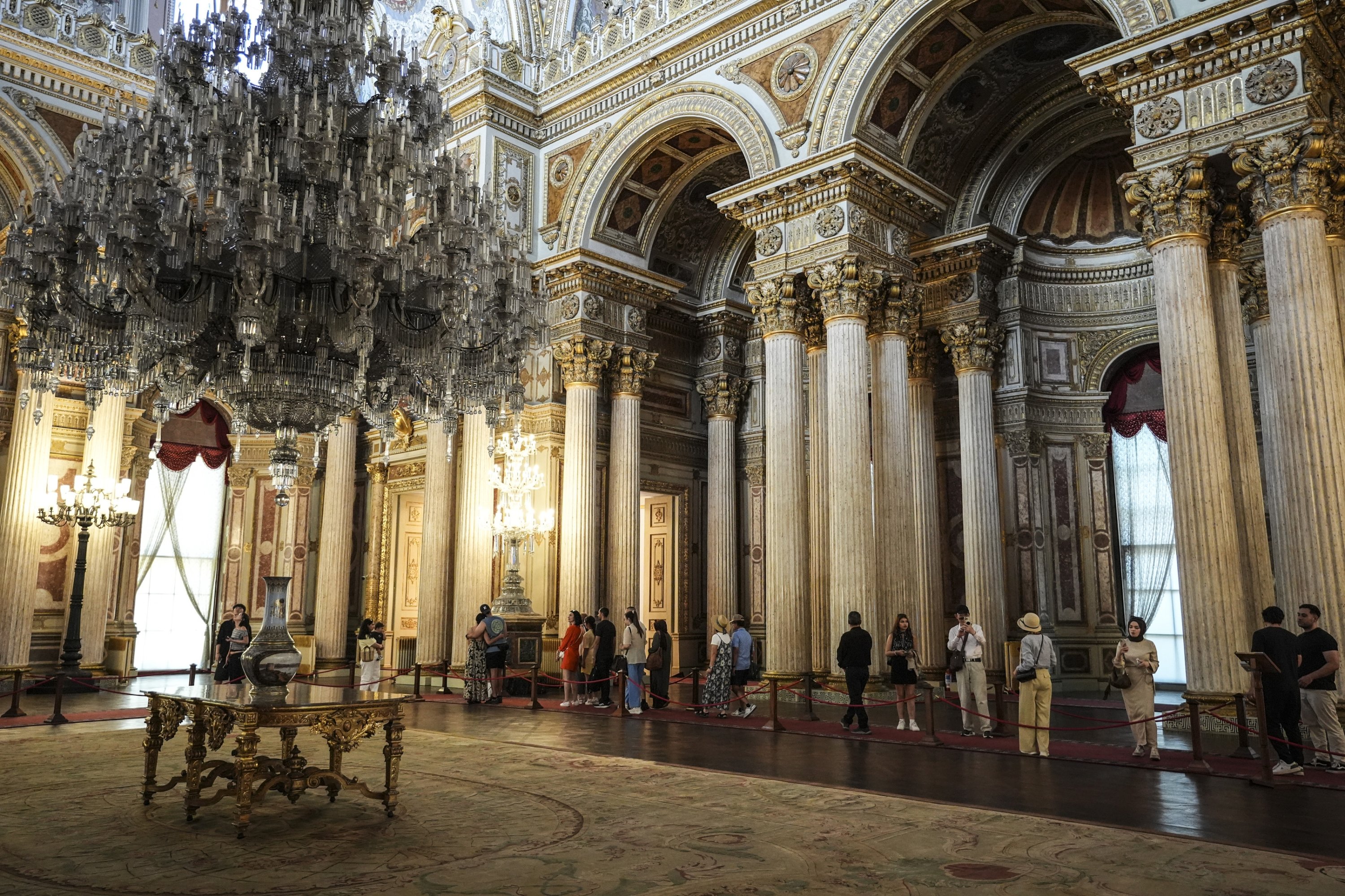
“The palace represents the peak of the Ottoman Empire’s Westernization and reform process,” she explained. “Its architecture reflects strong influences from Western artistic movements such as Rococo, Baroque and Empire style. Yet despite its European appearance, it preserves deeply rooted traditions and still reflects the defining characteristics of the Turkish way of life.”
Harem’s modest decoration
Karahüseyin explained that the palace is organized into three main sections within a single monumental structure. At the entrance lies the Mabeyn-i Hümayun, also known as the Selamlık, which served as the administrative heart of the palace where state affairs were conducted. In the center stands the Muayede Hall, followed by the Harem-i Hümayun.
She emphasized that the Mabeyn-i Hümayun was where the state was represented at the highest level, which is why it is richly and elaborately decorated.
Karahüseyin also pointed out that many technological innovations of the era were first implemented in the palace. One example is the construction of a gas plant system used for heating and lighting, reflecting the technological standards of major European capitals at the time.
The Muayede Hall served as the setting for imperial ceremonies, official celebrations and important receptions. Beyond it lies the Harem-i Hümayun, where the more traditional aspects of Turkish domestic life become visible. Unlike the more ornate public sections, the harem is more restrained in decoration and follows the layout of a traditional Turkish house, with halls leading into rooms arranged around shared spaces.
Within the harem, the valide sultan, the sultan’s consorts and other women of the palace lived in their own dedicated quarters. These apartments, which included basement and attic levels, were spread across multiple floors. Each household lived with its children and attendants and daily life often centered around shared halls where social interaction took place.
Visitor experience, preservation efforts
Karahüseyin emphasized that the primary mission of the Directorate of National Palaces is to preserve historical structures and artifacts under its care and pass them on to future generations in the best possible condition. Restoration and conservation work is carried out by expert teams, while all major interventions are carefully reviewed by the Scientific Evaluation Board.
She highlighted the importance placed on protecting not only Dolmabahçe Palace but also other palaces, pavilions and mansions, ensuring the continuity of this cultural heritage.
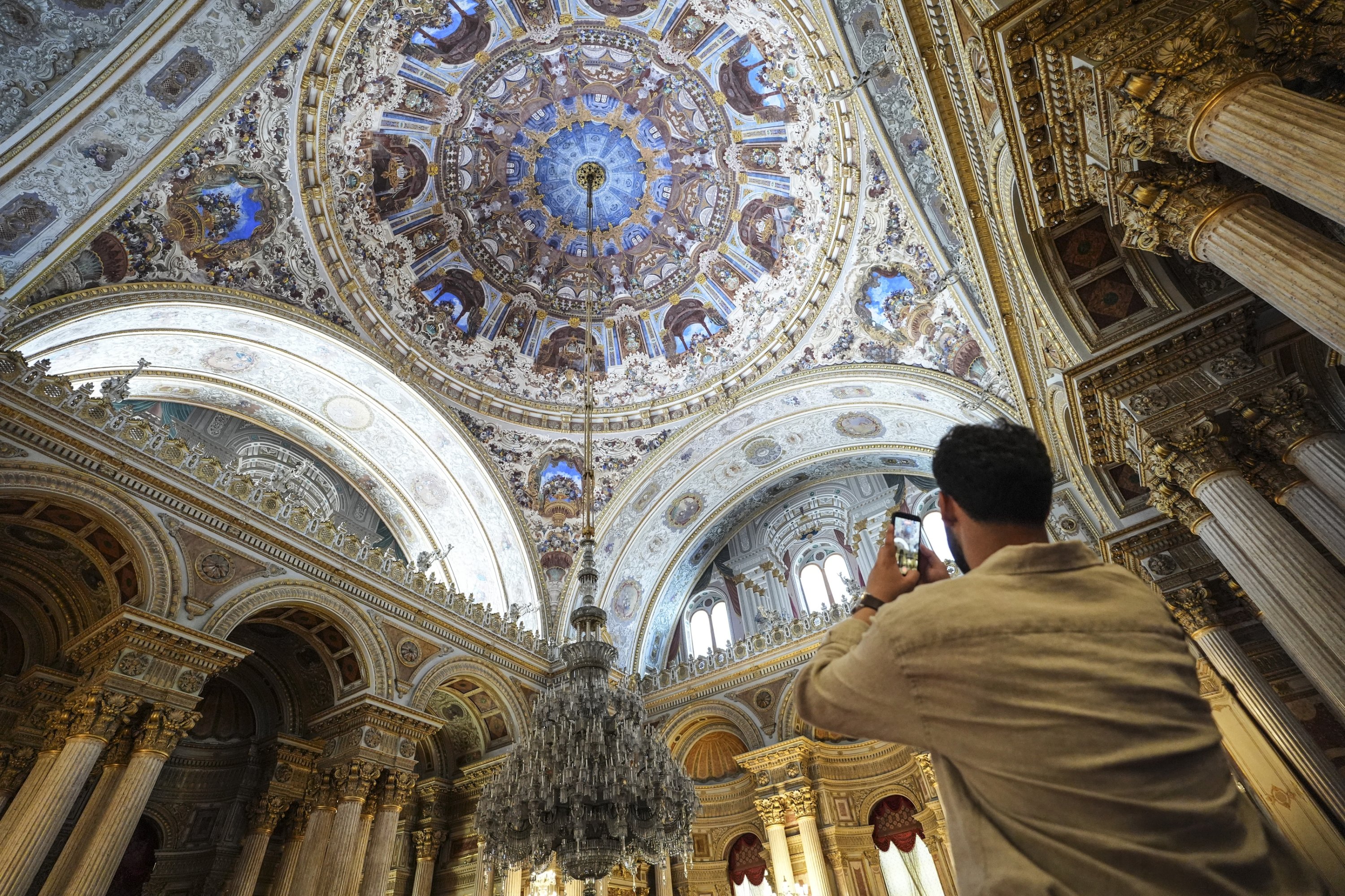
At the same time, the institution is adapting to digital technologies in line with conservation goals. Visitors are now able to explore the palace using audio guide systems, allowing for a more detailed and flexible experience. Photography has also recently been permitted under controlled conditions.
To protect the artworks and interiors, photography is allowed only without flash and for non-professional use. Efforts to further enhance the visitor experience continue.
Dolmabahçe Palace was home to the last six Ottoman sultans and the final caliph, Abdülmecid Efendi. It also remained an important center of state administration during the Republican era.
Mustafa Kemal Atatürk, founder of the Republic of Türkiye, carried out part of his work there between 1927 and 1938 and oversaw some of the earliest stages of the transition to the Latin alphabet within its walls. The palace, where he passed away on Nov. 10, 1938, stands today as one of the most significant silent witnesses to the history of the Republic.
DAILYSABAH
هلدینگ کاسپین استانبول | خرید ملک در ترکیه | صرافی معتبر ایرانی در ترکیه | خرید و فروش طلا در ترکیه | مهاجرت به ترکیه | واردات و صادرات در ترکیه | نیازمندیهای ترکیه | اخبار ترکیه | اخبار جهانی | توریست ایران | خدمات توریستی در ایران | تورهای گردشگری ایران | هلدینگ اول | خدمات کاریابی و فریلنسری و شغل | مرجع اطلاعات ایران (همه چیز در ایران) | کیف پول و خدمات مالی و پرداخت یار | اخبار ایران | تابلو زنده قیمت ارز در ترکیه و استانبول | صرافی آنلاین ترکیه | قیمت طلا و نقره در ترکیه | سرمایه گذاری در ترکیه | جواهرات در ترکیه | نرخ لحظه ای ارزها در استانبول | قیمت دلار امروز در ترکیه | قیمت دلار استانبول امروز | قیمت لحظه ای دلار | اخبار روز ترکیه استانبول | اپلیکیشن ISTEX | اپلیکیشن قیمت لحظه ای دلار و یورو و لیر و ارزها در ترکیه
About the Author