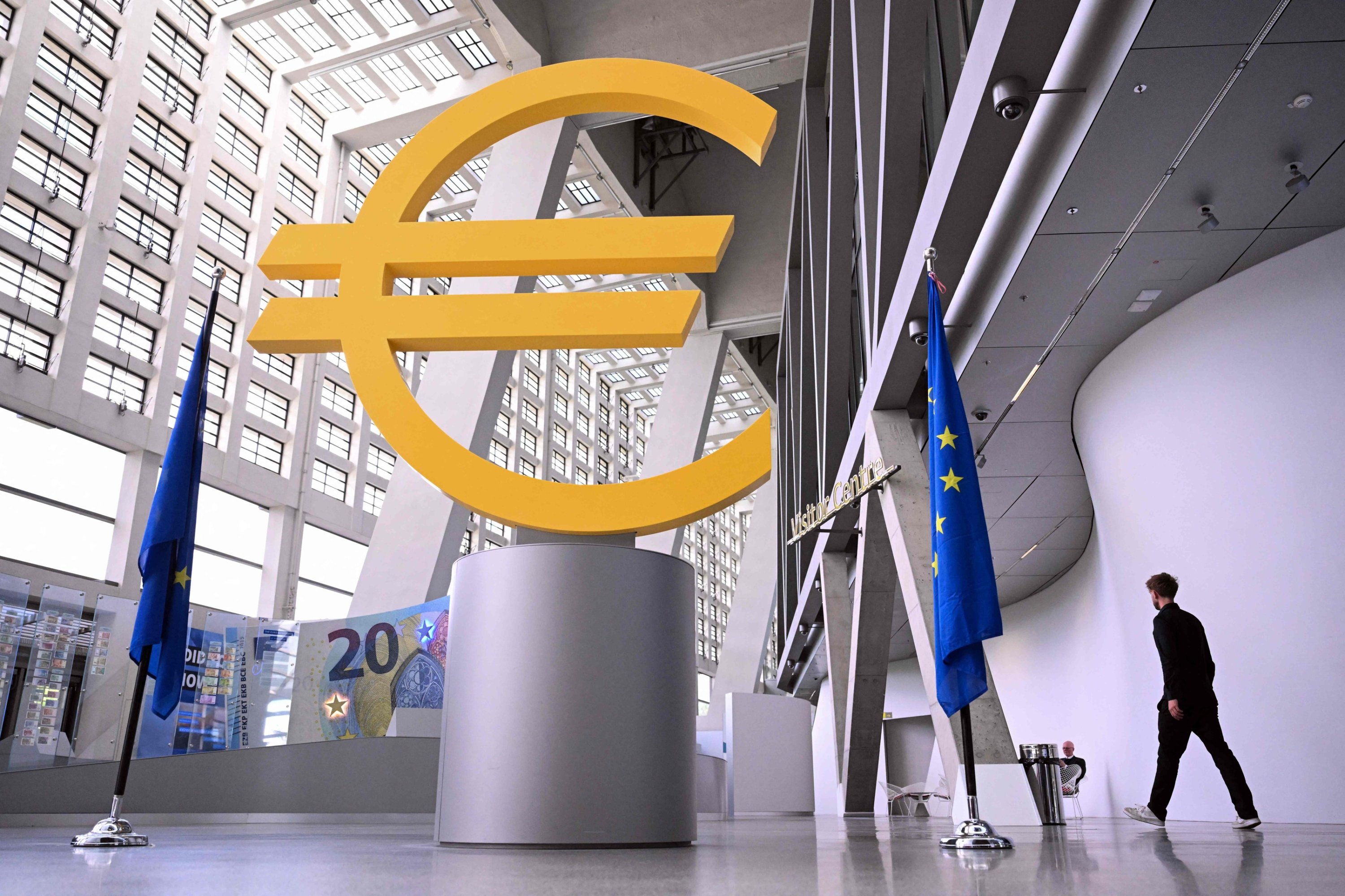
The European Central Bank (ECB) on Thursday became the first major central bank to hike interest rates in response to the Iran war as policymakers wrestle with how to confront the inflation fed by sharply higher oil prices.
The ECB’s rate-setting council raised its benchmark rate to 2.25% from 2%, where it had been for a year. The move comes ahead of rate-setting meetings next week at the Federal Reserve (Fed), the Bank of Japan (BOJ), and the Bank of England (BoE).
Oil prices have risen sharply due to Iran choking off the flow of crude oil through the Strait of Hormuz, the sea passage for a fifth of the world’s oil and fuel products during normal times.
Raising rates aims to dampen the consumer price inflation fed by higher costs for products made from crude such as gasoline, diesel fuel, cooking gas and heating oil.
International benchmark Brent crude was trading just below $92 per barrel on Thursday, up from around $73 on the eve of the war. That has helped push inflation to 3.2% in May in the 21 countries that use the euro currency, above the ECB’s target of 2%.
But ECB policymakers must also consider the impact of higher borrowing costs on an economy showing only modest growth.
That has led analysts to think Thursday’s hike will be a one-and-done moment, aimed mainly at signaling to financial markets that the bank is determined not to get behind the curve if inflation spirals higher.
Raising benchmark rates influences what lenders charge throughout the economy, increasing the cost of borrowing money to buy things and thus dampening demand for goods. Higher central bank rates can send interest costs higher for home purchases, investment in new factories, and government borrowing.
The ECB may be able to get by with only one or two increases because the inflationary surge may be milder than feared, said Carsten Brzeski, global chief of macro at ING bank.
That is because consumers burned by the post-pandemic spike in inflation are in no mood to pay higher prices, leaving businesses little choice but to swallow higher energy costs.
“The pass-through of higher energy and input prices to final consumption will be limited due to a lack of ability and willingness of consumers to actually pay for these higher prices,” he wrote in an emailed comment to The Associated Press (AP).
DAILYSABAH
هلدینگ کاسپین استانبول | خرید ملک در ترکیه | صرافی معتبر ایرانی در ترکیه | خرید و فروش طلا در ترکیه | مهاجرت به ترکیه | واردات و صادرات در ترکیه | نیازمندیهای ترکیه | اخبار ترکیه | اخبار جهانی | توریست ایران | خدمات توریستی در ایران | تورهای گردشگری ایران | هلدینگ اول | خدمات کاریابی و فریلنسری و شغل | مرجع اطلاعات ایران (همه چیز در ایران) | کیف پول و خدمات مالی و پرداخت یار | اخبار ایران | تابلو زنده قیمت ارز در ترکیه و استانبول | صرافی آنلاین ترکیه | قیمت طلا و نقره در ترکیه | سرمایه گذاری در ترکیه | جواهرات در ترکیه | نرخ لحظه ای ارزها در استانبول | قیمت دلار امروز در ترکیه | قیمت دلار استانبول امروز | قیمت لحظه ای دلار | اخبار روز ترکیه استانبول | اپلیکیشن ISTEX | اپلیکیشن قیمت لحظه ای دلار و یورو و لیر و ارزها در ترکیه
About the Author