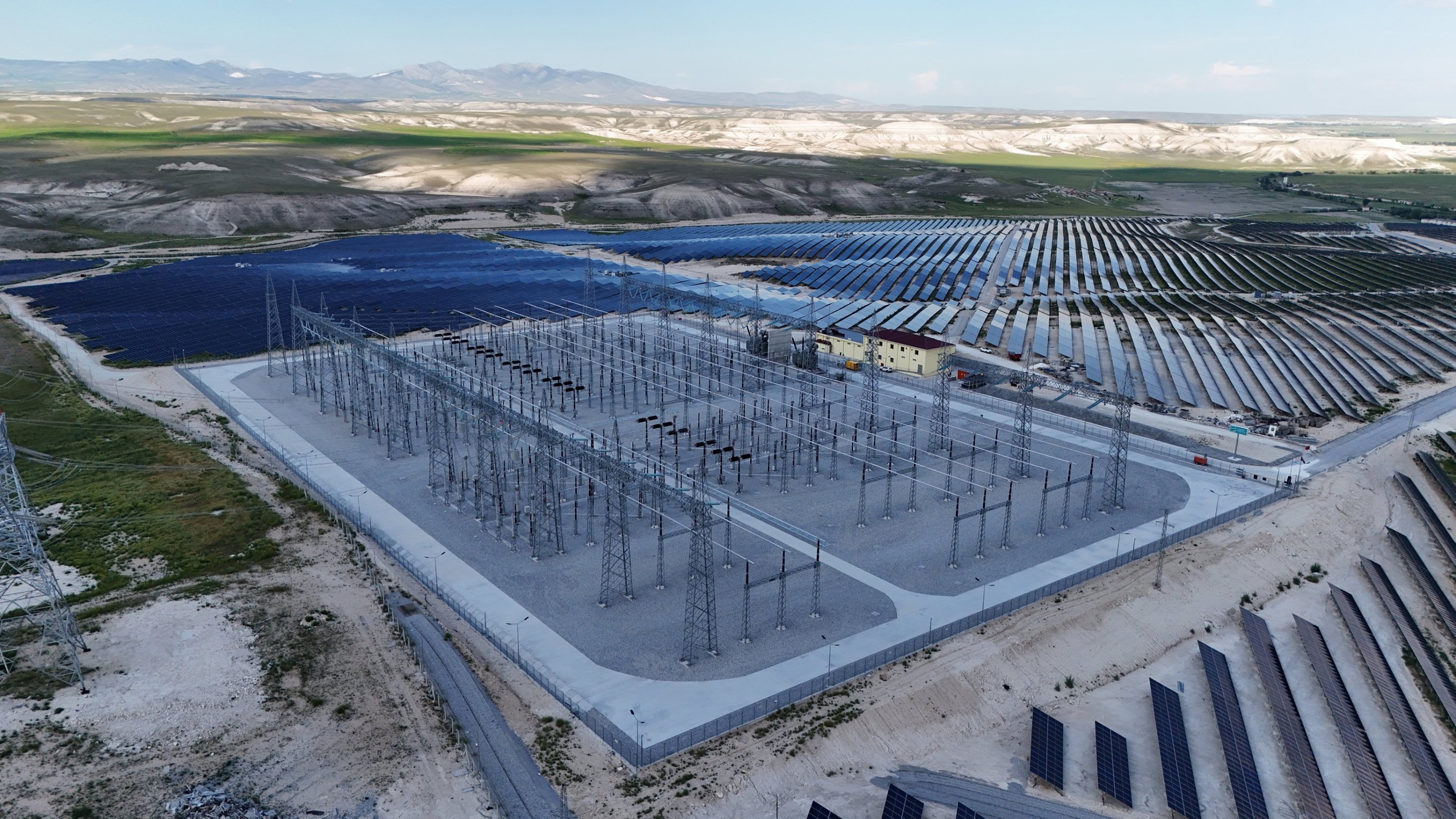
Germany on Friday said progress was being made at the climate change conference in western Bonn, with a new target on the share of electricity in final energy demand set to be a key theme of the U.N.’s COP31 summit in Türkiye later this year.
Jochen Flasbarth, a junior minister in the German Environment Ministry, said the Turkish presidency of the next global climate change summit, set for November, is demonstrating that “it is determined to drive forward the implementation of the Paris Agreement.”
Flasbarth’s remarks came in the German city of Bonn, where thousands of climate negotiators gather this week and next to lay the groundwork for COP31, which will be held in the southern Antalya.
Bonn is where texts are drafted and differences are narrowed ahead of the decisions taken by political leaders at the U.N. climate conference. Türkiye will host the summit, while Australia will oversee the formal negotiations.
The summit is taking shape as war in the Middle East drives up energy and commodity prices and highlights the vulnerability of fossil-fuel-dependent economies to supply shortages.
Türkiye and Australia have encouraged countries to embrace renewable energy as a bulwark against unreliable energy imports.
As part of its preparations, Türkiye in Bonn proposed a global target for electricity to meet 35% of the world’s energy demand by 2035, aiming to cut fossil fuel consumption.
The aim would be to shift transport, heavy industries, and home heating away from running on oil, coal and gas, to instead use technologies like electric industrial furnaces, electric cars and heat pumps.
Other goals include halving growth in global waste by 2035 and increasing the global circular material use rate to at least 15%.
Germany’s Flasbarth told dpa that he “welcomes” that electrification in the transport, construction and industrial sectors, which he called “the backbone of a successful energy transition,” is increasingly a priority for COP31.
Currently, around 20% of the world’s total energy demand is met by electricity. The rest comes mostly from fossil fuels, plus around 10% produced by biofuels and waste.
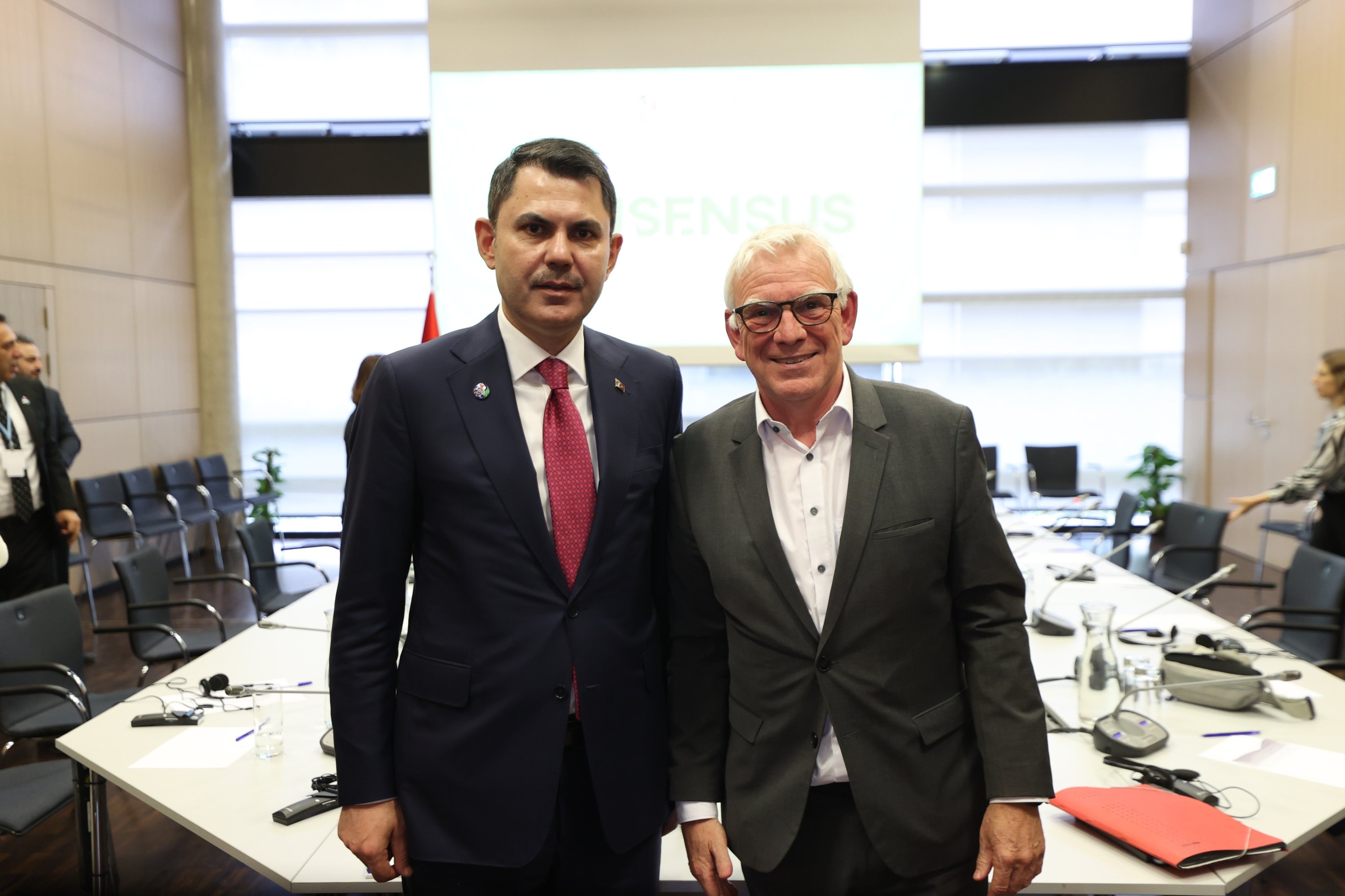
The annual 10-day June Climate Meetings in Bonn, which are due to conclude next Thursday, are being attended this year by 6,500 delegates from governments, the scientific community, the business sector and civil society, representing almost all U.N. member states.
Flasbarth said the negotiations in Bonn show that “there remains a strong global commitment to genuinely curbing global warming.”
The electrification proposal “sends a strong signal for investment in grids, renewable energy and modern infrastructure,” he added. “It provides global guidance and thus predictability for businesses, investors and governments, and can further accelerate the energy transition.”
Environmental organizations have praised the target, with WWF global climate and policy head Fernanda de Carvalho saying the group “welcomes this electrification goal.”
“But for it to support delivery of the Paris Agreement, it must clearly accelerate the shift away from fossil fuels,” she warned. “More electricity alone is not the answer if it is still powered by coal, oil and gas. Developing countries will also need finance and technology support to make this transition fair and effective.”
On Tuesday, Murat Kurum, who will preside over the COP31 summit, said the aim was to protect families and businesses from volatile energy markets, and that Türkiye would seek to build a coalition of countries backing the commitment.
“We will also work closely with all countries, especially with developing economies, to help facilitate access to technical assistance, capacity-building, and financial support in line with this goal,” said Kurum, who is also Türkiye’s environment, urbanization and climate change minister.
The electricity target would be voluntary, rather than a formal deal requiring support from the nearly 200 countries set to take part in COP31.
The Iran war’s disruption to oil and gas markets is already speeding up electrification in some countries, with demand for electric vehicles surging in South Korea, Japan and Italy since the conflict began, as consumers seek to avoid higher prices at the petrol pump.
Electrification cuts greenhouse gas emissions by replacing direct fossil fuel use with electricity from low-carbon sources. Global electricity production is decarbonizing faster than any other sector of the economy.
DAILYSABAH
هلدینگ کاسپین استانبول | خرید ملک در ترکیه | صرافی معتبر ایرانی در ترکیه | خرید و فروش طلا در ترکیه | مهاجرت به ترکیه | واردات و صادرات در ترکیه | نیازمندیهای ترکیه | اخبار ترکیه | اخبار جهانی | توریست ایران | خدمات توریستی در ایران | تورهای گردشگری ایران | هلدینگ اول | خدمات کاریابی و فریلنسری و شغل | مرجع اطلاعات ایران (همه چیز در ایران) | کیف پول و خدمات مالی و پرداخت یار | اخبار ایران | تابلو زنده قیمت ارز در ترکیه و استانبول | صرافی آنلاین ترکیه | قیمت طلا و نقره در ترکیه | سرمایه گذاری در ترکیه | جواهرات در ترکیه | نرخ لحظه ای ارزها در استانبول | قیمت دلار امروز در ترکیه | قیمت دلار استانبول امروز | قیمت لحظه ای دلار | اخبار روز ترکیه استانبول | اپلیکیشن ISTEX | اپلیکیشن قیمت لحظه ای دلار و یورو و لیر و ارزها در ترکیه
About the Author