Every great power possesses strength, but every strength has its limits. During the Cold War, when discussing the power of the U.S. and the Soviet Union, the late former Prime Minister Necmettin Erbakan would often say, “The only possessor of unlimited power is Almighty Allah.”
The fate of many great empires has ultimately been determined when they reached the limits of their power, often in the mountains of Afghanistan. Alexander the Great, Britain, today’s Russia, and the U.S. have all encountered such tests. Yet when the U.S. withdrew from Afghanistan, it had not significantly diminished its overall power.
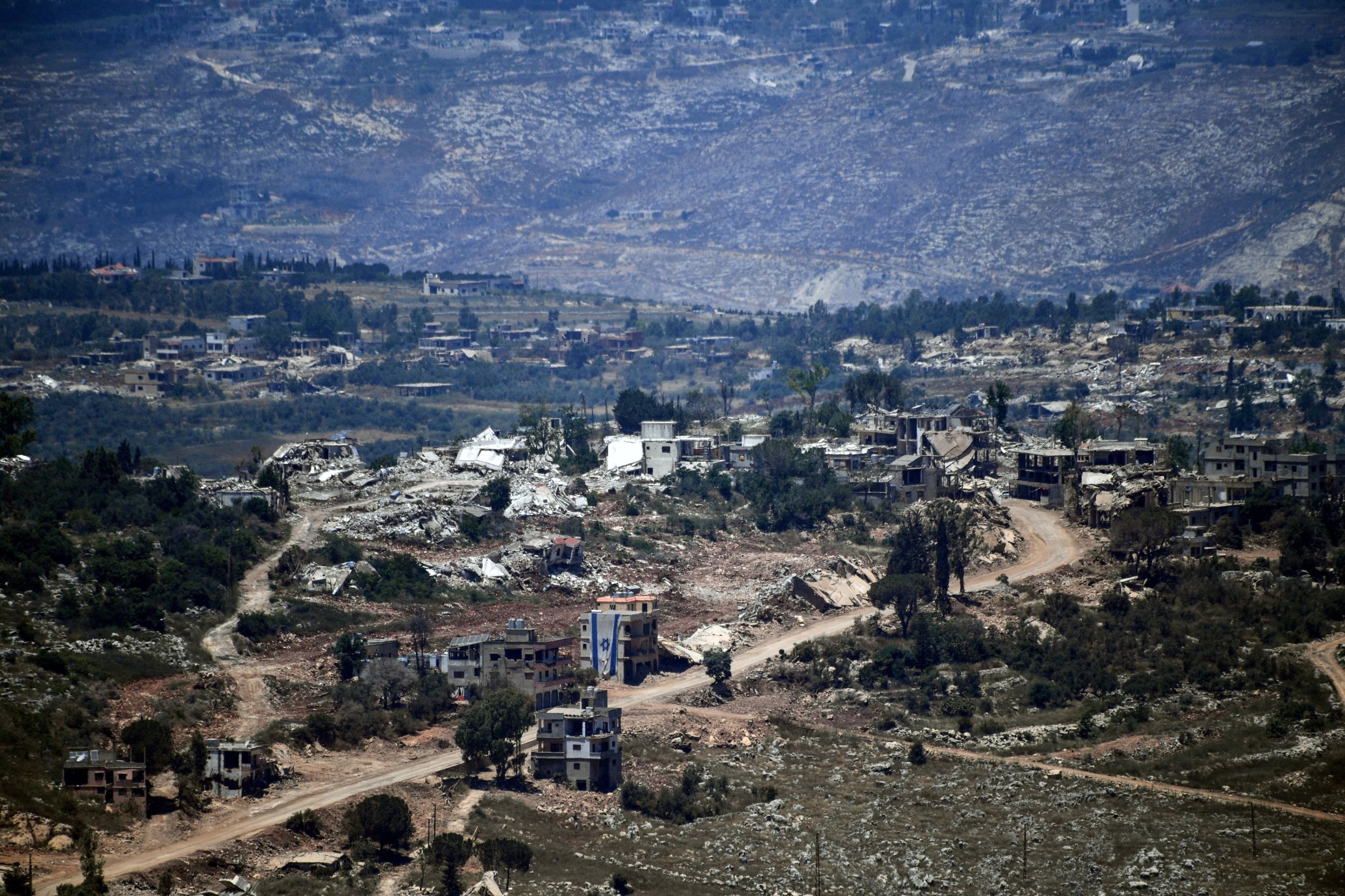
For the U.S., neither the war in Afghanistan nor the war against Iran represented rational conflicts. Much like Israel’s actions in Gaza and its occupations in Lebanon and Syria, they were wars lacking clear political objectives.
Indeed, Washington’s unconditional support for Israel had encouraged Israel to such an extent that even the U.S. ambassador to Israel spoke of Israel’s right to occupy all countries in the region. Egypt, Lebanon, Jordan and the Gulf states were mentioned, and even Saudi Arabia and Türkiye may also have been contemplated.
Israeli leaders, increasingly detached from reality, had begun using phrases such as “After Iran, it will be Türkiye’s turn.”
Consequences of irrational war
Today, another empire has tested the limits of its power. The U.S. entered a war on Israel’s behalf. It underestimated its adversary. It underestimated the ancient Iranian nation. Those who had previously demonstrated against the Iranian regime immediately rallied behind their state in the face of what they perceived as an external attempt at occupation. Not only did the regime survive, but the conflict effectively extended the life of the Islamic Republic.
Several conclusions emerge from this war: The conflict has proven once again that any war, particularly in an oil-producing region, affects the global economy and can rapidly evolve into an economic war impacting the entire world.
From this point forward, Israel is likely to face greater challenges in securing unconditional American support for future military campaigns for territorial claims based on the “Promised Land.”
Both the war in Gaza and the Iran conflict are likely to widen the gap between the American public and Israel. Billion-dollar lobbying efforts and the activities of organizations such as the American Israel Public Affairs Committee (AIPAC) increasingly risk turning Israel’s political opponents into popular figures, as seen in the cases of New York Mayor Zohran Mamdani and Kentucky Senator Thomas Massie.
Wars are won and lost through alliances. China and Russia, whether openly or discreetly, acted in accordance with the spirit of alliance and, in one way or another, contributed to Iran’s resilience.
The war has damaged the long-term alliance between the U.S. and European countries.
Following this conflict, every major power, particularly the U.S., has gained a clearer understanding of the limits of its influence and where it must stop.
As an ancient state, Iran demonstrated considerable diplomatic skill. As President Recep Tayyip Erdoğan has often remarked, “If you are strong on the battlefield, you will also be strong at the negotiating table.”
Türkiye’s role
As a result of Türkiye’s efforts, it successfully conveyed to the international community that this was an unjust and unlawful war. In particular, Erdoğan’s statement (“Israel started this war, and the whole world is paying the price”) resonated widely across the globe.
Türkiye helped to avoid the possibility of confrontation between Iran and Gulf countries, particularly Saudi Arabia. Through active diplomacy and regional leadership, it challenged Israel’s tiny mind.
By pursuing a foreign policy characterized by strategic vision throughout the conflict, Türkiye emerged from the war as one of the countries whose influence and strength have increased in the post-war environment.
The views and opinions expressed in this article are solely those of the author. They do not necessarily reflect the editorial stance, values or position of Daily Sabah. The newspaper provides space for diverse perspectives as part of its commitment to open and informed public discussion.
DAILYSABAH
هلدینگ کاسپین استانبول | خرید ملک در ترکیه | صرافی معتبر ایرانی در ترکیه | خرید و فروش طلا در ترکیه | مهاجرت به ترکیه | واردات و صادرات در ترکیه | نیازمندیهای ترکیه | اخبار ترکیه | اخبار جهانی | توریست ایران | خدمات توریستی در ایران | تورهای گردشگری ایران | هلدینگ اول | خدمات کاریابی و فریلنسری و شغل | مرجع اطلاعات ایران (همه چیز در ایران) | کیف پول و خدمات مالی و پرداخت یار | اخبار ایران | تابلو زنده قیمت ارز در ترکیه و استانبول | صرافی آنلاین ترکیه | قیمت طلا و نقره در ترکیه | سرمایه گذاری در ترکیه | جواهرات در ترکیه | نرخ لحظه ای ارزها در استانبول | قیمت دلار امروز در ترکیه | قیمت دلار استانبول امروز | قیمت لحظه ای دلار | اخبار روز ترکیه استانبول | اپلیکیشن ISTEX | اپلیکیشن قیمت لحظه ای دلار و یورو و لیر و ارزها در ترکیه
About the Author