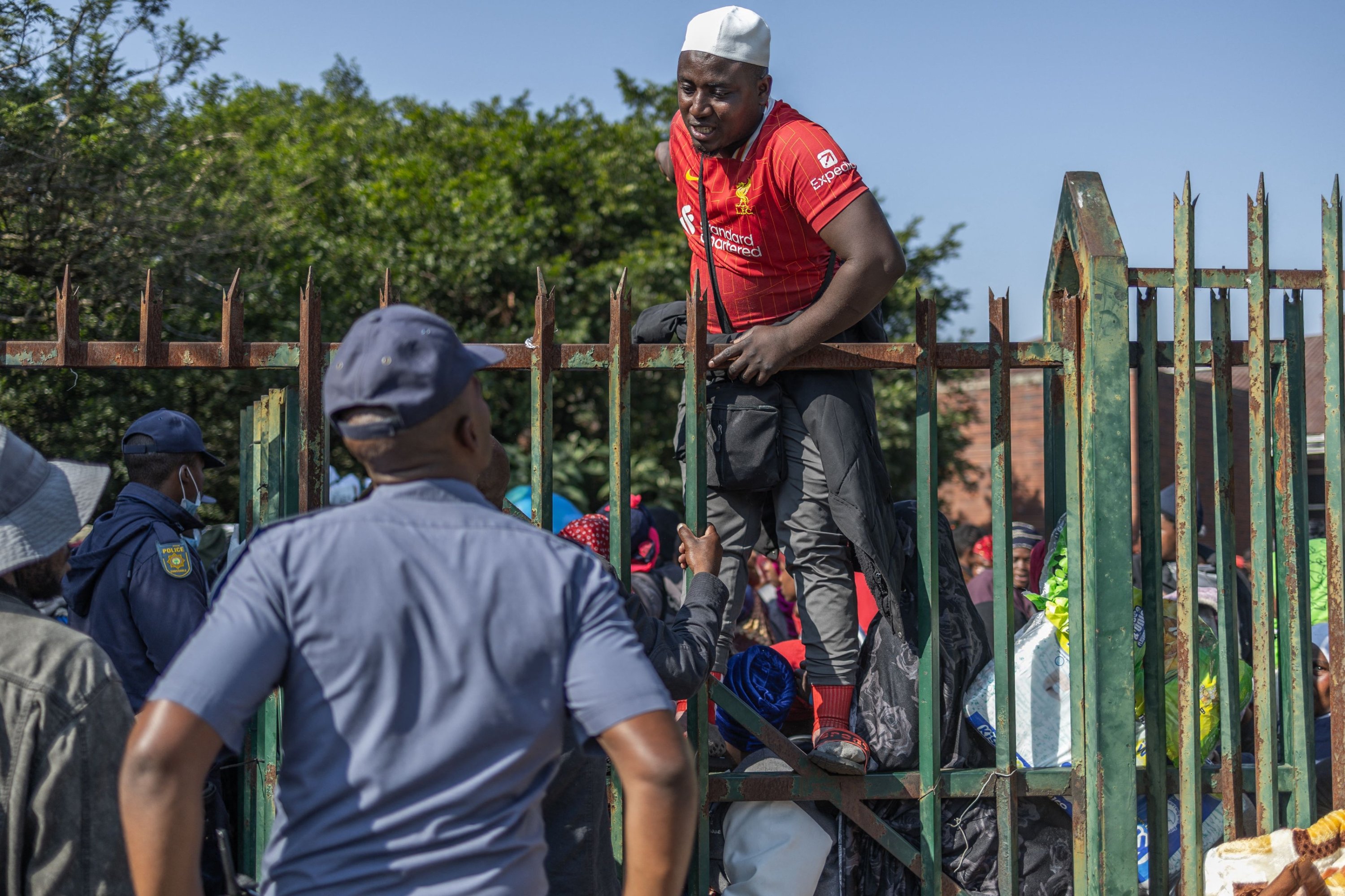
Thousands of African migrants are continuing to leave South Africa as a wave of anti-immigration protests, violent incidents and political pressure converge ahead of a self-imposed June 30 deadline set by activist groups demanding the removal of undocumented foreigners.
The crisis has unfolded across major cities, where anti-immigration groups have staged marches, door-to-door campaigns and coordinated online mobilization calling for undocumented migrants to leave. Their demands include tighter border enforcement and mass deportations, which they argue are necessary to address unemployment, crime and pressure on public services.
The groups have also threatened a nationwide shutdown if the government fails to act by June 30, a move that has put police on high alert and prompted security preparations in multiple provinces.
Violence fuels mass displacement
What began as political agitation has increasingly turned into violence in some areas. Authorities are investigating a series of attacks linked to anti-migrant sentiment, including killings and arson targeting foreign-owned homes and settlements.
In one coastal incident, two Mozambican nationals were killed during unrest that also saw more than 50 homes burned in a migrant neighborhood. In another case, a Malawian man was stoned to death during protests, adding to growing alarm among humanitarian groups.
These incidents have accelerated an already visible exodus, with thousands of migrants abandoning homes, informal settlements and workplaces to seek safety in temporary shelters or to return to their countries of origin.
Camps overwhelmed
The largest concentration of displaced migrants has been reported in Durban, where thousands of Malawians gathered at makeshift shelters such as Sherwood Park, waiting for buses organized by their government or private sponsors.
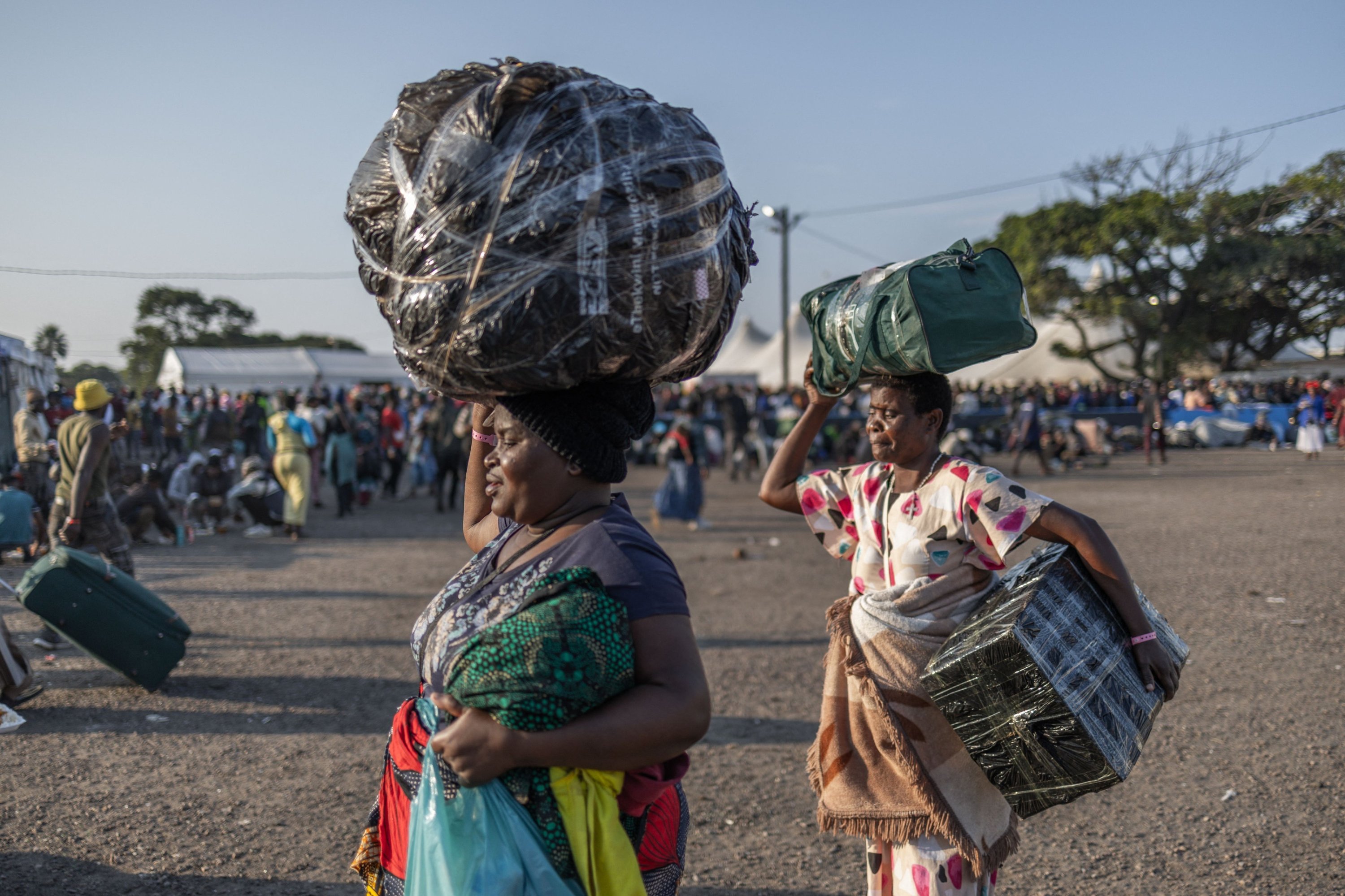
Conditions at the site have deteriorated rapidly. Overcrowding has left families sleeping in tents or in the open during cold nights, while limited sanitation has triggered outbreaks of illness. Aid groups and religious organizations have struggled to keep up with demand for food, water and basic hygiene supplies.
Reports from the camp describe long queues for toilets, shortages of clean water and rising frustration as people wait days for transport more than 2,000 kilometers away.
Authorities say the camp population has fluctuated but has reached as many as 10,000 people at peak moments, with new arrivals continuing daily.
Personal stories of forced return
Among those preparing to leave is Hasani Amadi, who spent a decade working in Durban, including jobs in small manufacturing firms. He said fear of violence and intimidation forced him out of the life he built.
Other migrants describe similar experiences of sudden displacement after landlords reportedly warned tenants to evict foreign nationals or risk having their properties attacked.
One Malawian worker, who spent more than a decade in South Africa as a tiler, said he was leaving with only a single bag after years of employment and financial stability.
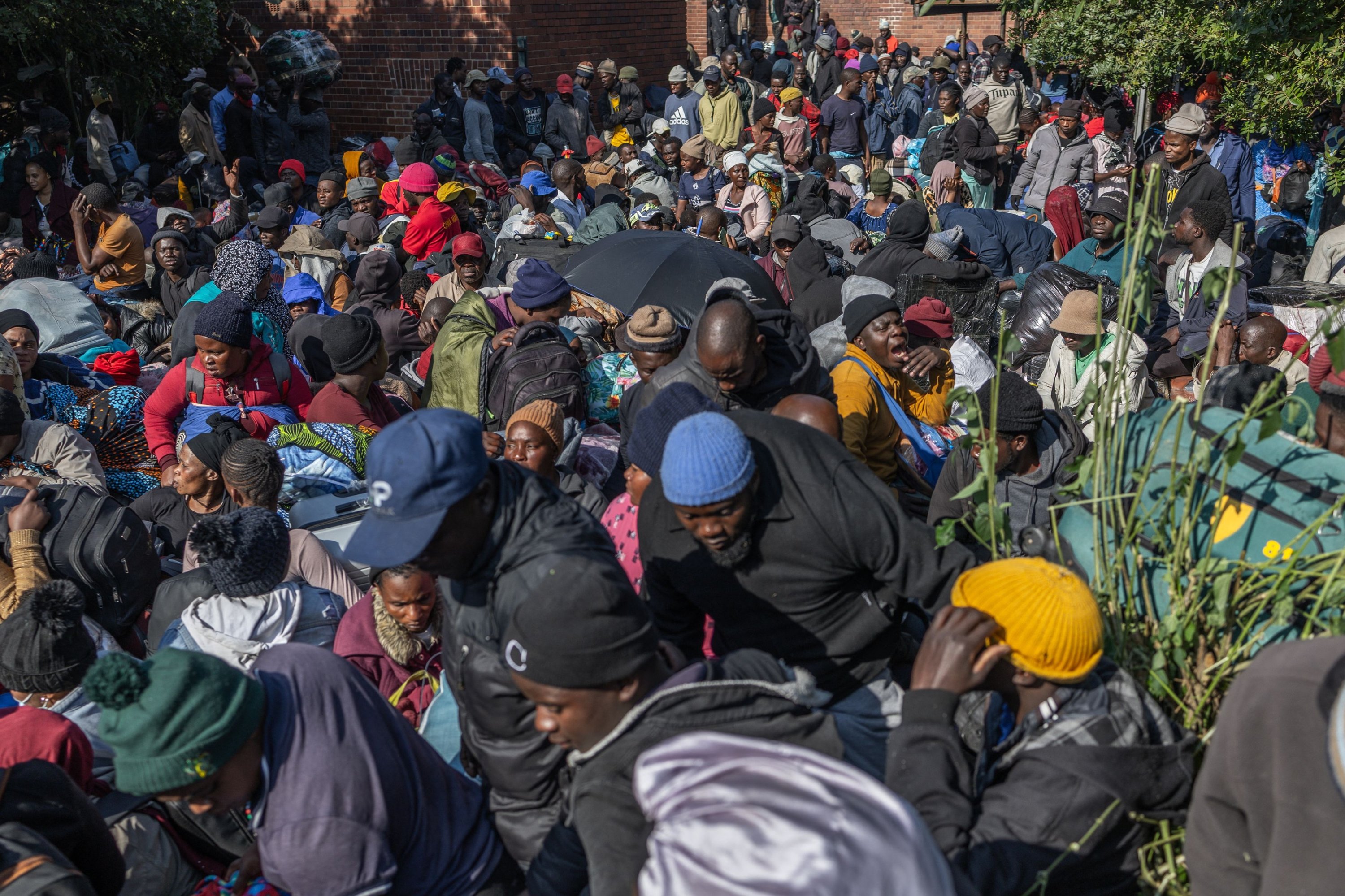
Another migrant, eight months pregnant, described panic and confusion at a transit point where police used tear gas and rubber bullets during crowd control efforts. She said she had completed paperwork for repatriation but had not yet been called for transport, adding she was determined not to remain in South Africa under current conditions.
Government response and political framing
President Cyril Ramaphosa has sought to defuse tensions through a national address, warning that some groups are exploiting migration for political purposes. He rejected claims that undocumented migration is the root cause of economic challenges, while acknowledging weaknesses in border control and enforcement.
South African authorities say they are monitoring protest activity closely and facilitating voluntary returns where possible, while also carrying out deportations of undocumented migrants.
The United Nations, through Secretary-General Antonio Guterres, has expressed concern over reports of xenophobic attacks and intimidation, urging restraint and protection for vulnerable communities.
Regional fallout and evacuations
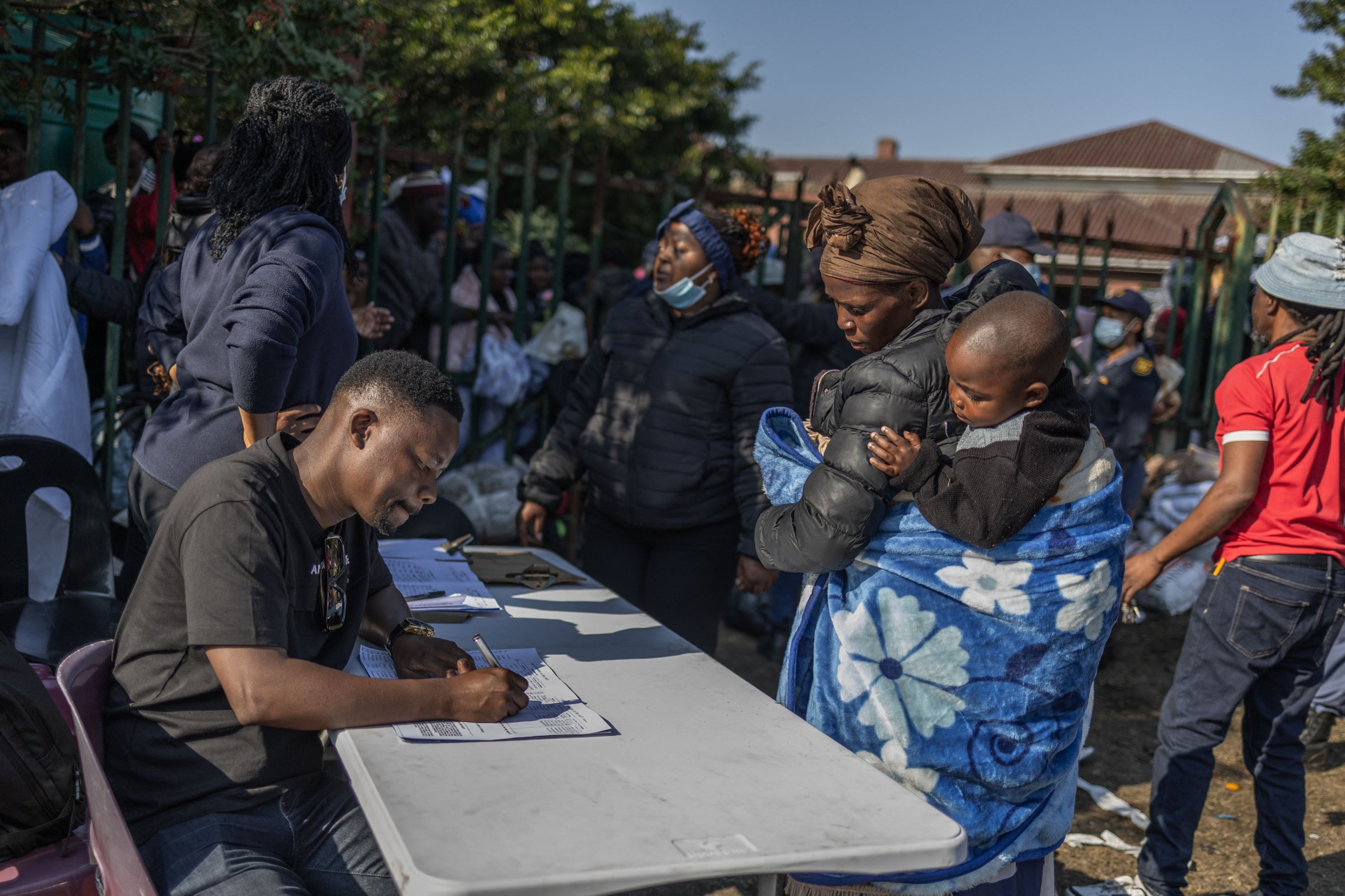
The crisis has triggered diplomatic responses across the continent. Governments in Nigeria, Ghana, Mozambique and Malawi have organized evacuations, with nearly 2,000 citizens flown home and thousands more returning by road and bus convoys.
Officials in several countries have criticized what they describe as a growing climate of xenophobia, warning that their citizens are being targeted in South Africa’s informal settlements and low-income neighborhoods where many migrants live and work.
A long history of recurring violence
South Africa has experienced periodic waves of xenophobic violence for nearly two decades, most notably the 2008 outbreak that killed more than 60 people and displaced tens of thousands.
Since then, sporadic flare-ups have continued, often tied to economic downturns, high unemployment and competition for low-wage work in urban townships.
Despite its relative wealth and status as Africa’s most industrialized economy, South Africa remains deeply unequal, a condition analysts say continues to fuel resentment toward foreign workers who are often visible in informal labor markets.
DAILYSABAH
هلدینگ کاسپین استانبول | خرید ملک در ترکیه | صرافی معتبر ایرانی در ترکیه | خرید و فروش طلا در ترکیه | مهاجرت به ترکیه | واردات و صادرات در ترکیه | نیازمندیهای ترکیه | اخبار ترکیه | اخبار جهانی | توریست ایران | خدمات توریستی در ایران | تورهای گردشگری ایران | هلدینگ اول | خدمات کاریابی و فریلنسری و شغل | مرجع اطلاعات ایران (همه چیز در ایران) | کیف پول و خدمات مالی و پرداخت یار | اخبار ایران | تابلو زنده قیمت ارز در ترکیه و استانبول | صرافی آنلاین ترکیه | قیمت طلا و نقره در ترکیه | سرمایه گذاری در ترکیه | جواهرات در ترکیه | نرخ لحظه ای ارزها در استانبول | قیمت دلار امروز در ترکیه | قیمت دلار استانبول امروز | قیمت لحظه ای دلار | اخبار روز ترکیه استانبول | اپلیکیشن ISTEX | اپلیکیشن قیمت لحظه ای دلار و یورو و لیر و ارزها در ترکیه
About the Author