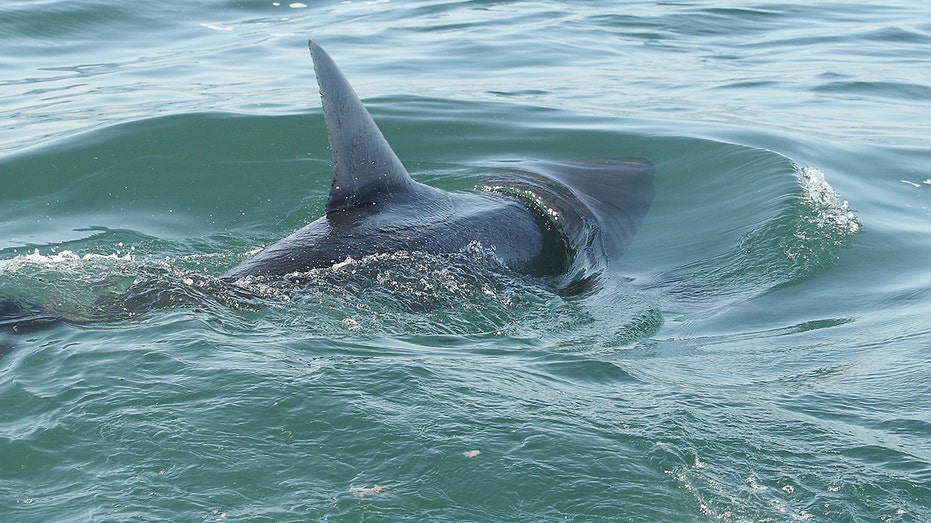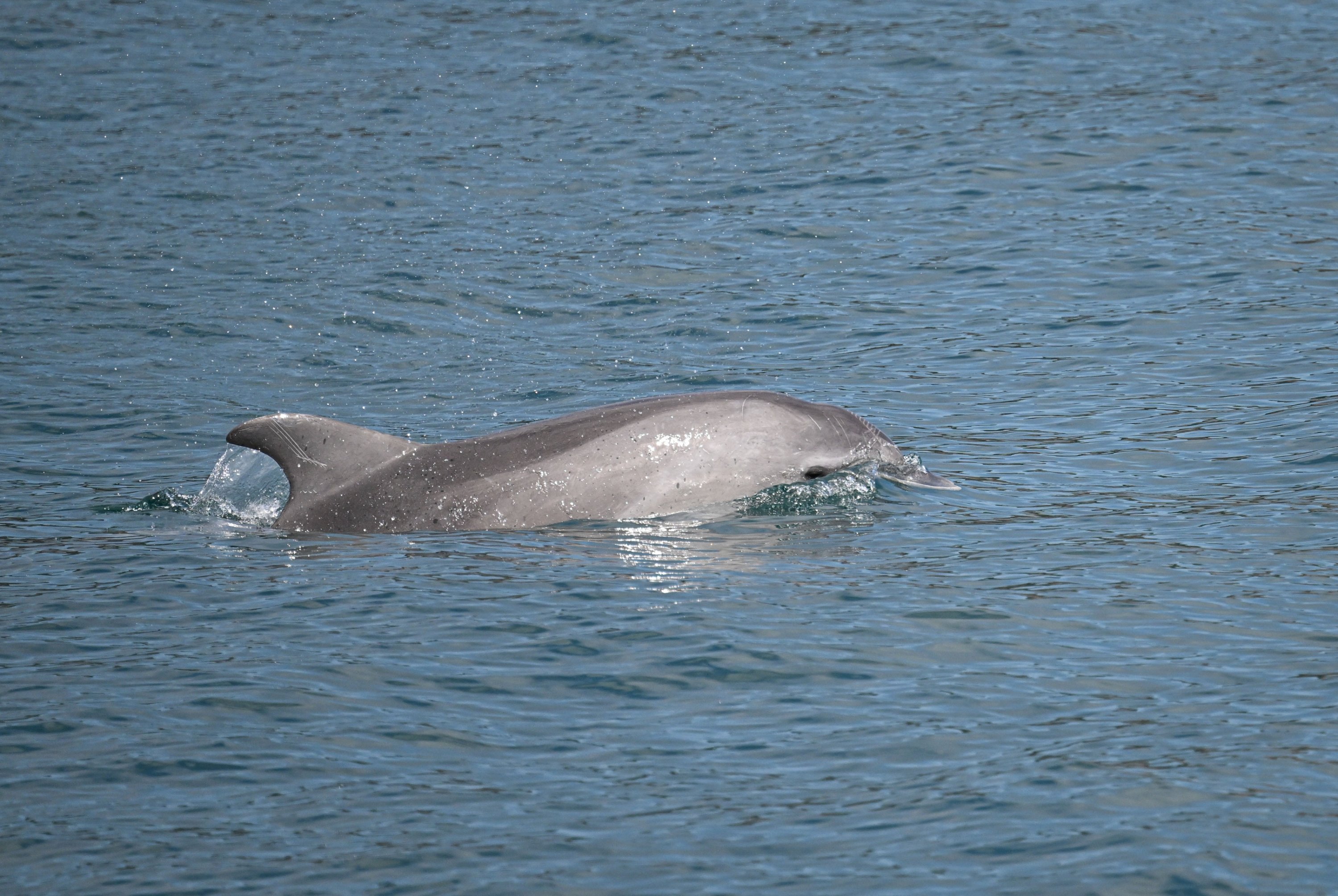
Scientists have been monitoring dolphins in the Bosporus and the Marmara Sea for nearly 30 years, using the marine mammals as indicators of ecosystem health while tracking how environmental changes and human activity affect their populations.
Researchers from the Turkish Marine Research Foundation (TÜDAV) conduct weekly surveys to monitor the feeding, resting and migration routes of dolphins inhabiting the Turkish Straits System, which connects the Black Sea and the Mediterranean. More than 1,500 research expeditions have been carried out over the past three decades using the R/V TÜDAV-Maru research vessel.
According to TÜDAV board member and Istanbul University marine biologist associate professor Arda Tonay, three dolphin species are found in the Bosporus: bottlenose dolphins, common dolphins and harbor porpoises. Only bottlenose dolphins form a resident population, while the other two species migrate through the strait, particularly during spring and autumn fish migrations.
“There is a resident group of approximately 40 bottlenose dolphins,” Tonay said. “During fish migration periods, the total number of dolphins in the Bosporus can rise to around 200.”
Researchers identify individual dolphins by the unique notches and markings on their dorsal fins and also use passive acoustic monitoring to study their movements and behavior.
Tonay said dolphins are considered indicator species because their presence reflects the overall health of the marine ecosystem.
“The presence of dolphins in a region provides important information about how that ecosystem functions,” he said. “Protecting dolphins is essential for protecting the ecosystem.”
Researchers from Istanbul University, TÜDAV, Zonguldak Bülent Ecevit University and Sinop University are also collaborating on the TÜBITAK-supported CetaFin project, which compares dolphin photo catalogs from different regions of the Black Sea to better understand their migration patterns.
Although dolphin populations have recovered since commercial hunting ended in 1983, Tonay said they continue to face threats from pollution, overfishing and accidental capture in fishing nets.
TÜDAV marine mammal specialist Ayaka Amaha Öztürk said researchers have regularly monitored around 40 resident dolphins, with photo records of some individuals dating back more than 15 years.
She added that acoustic monitoring conducted since 2009 shows dolphins are particularly active at night and gather in greater numbers near the Bosporus’ Black Sea entrance and Beykoz coves during seasonal fish migrations.
Öztürk also warned that growing jet ski traffic is increasingly disturbing dolphins.
“The loud noise and high-speed movement of jet skis disturb dolphins,” she said, calling for restrictions in areas where dolphins are most frequently observed.
The current monitoring project is expected to continue until 2030, with researchers hoping the findings will support future conservation efforts for dolphins and the wider marine ecosystem.
DAILYSABAH
هلدینگ کاسپین استانبول | خرید ملک در ترکیه | صرافی معتبر ایرانی در ترکیه | خرید و فروش طلا در ترکیه | مهاجرت به ترکیه | واردات و صادرات در ترکیه | نیازمندیهای ترکیه | اخبار ترکیه | اخبار جهانی | توریست ایران | خدمات توریستی در ایران | تورهای گردشگری ایران | هلدینگ اول | خدمات کاریابی و فریلنسری و شغل | مرجع اطلاعات ایران (همه چیز در ایران) | کیف پول و خدمات مالی و پرداخت یار | اخبار ایران | تابلو زنده قیمت ارز در ترکیه و استانبول | صرافی آنلاین ترکیه | قیمت طلا و نقره در ترکیه | سرمایه گذاری در ترکیه | جواهرات در ترکیه | نرخ لحظه ای ارزها در استانبول | قیمت دلار امروز در ترکیه | قیمت دلار استانبول امروز | قیمت لحظه ای دلار | اخبار روز ترکیه استانبول | اپلیکیشن ISTEX | اپلیکیشن قیمت لحظه ای دلار و یورو و لیر و ارزها در ترکیه
About the Author