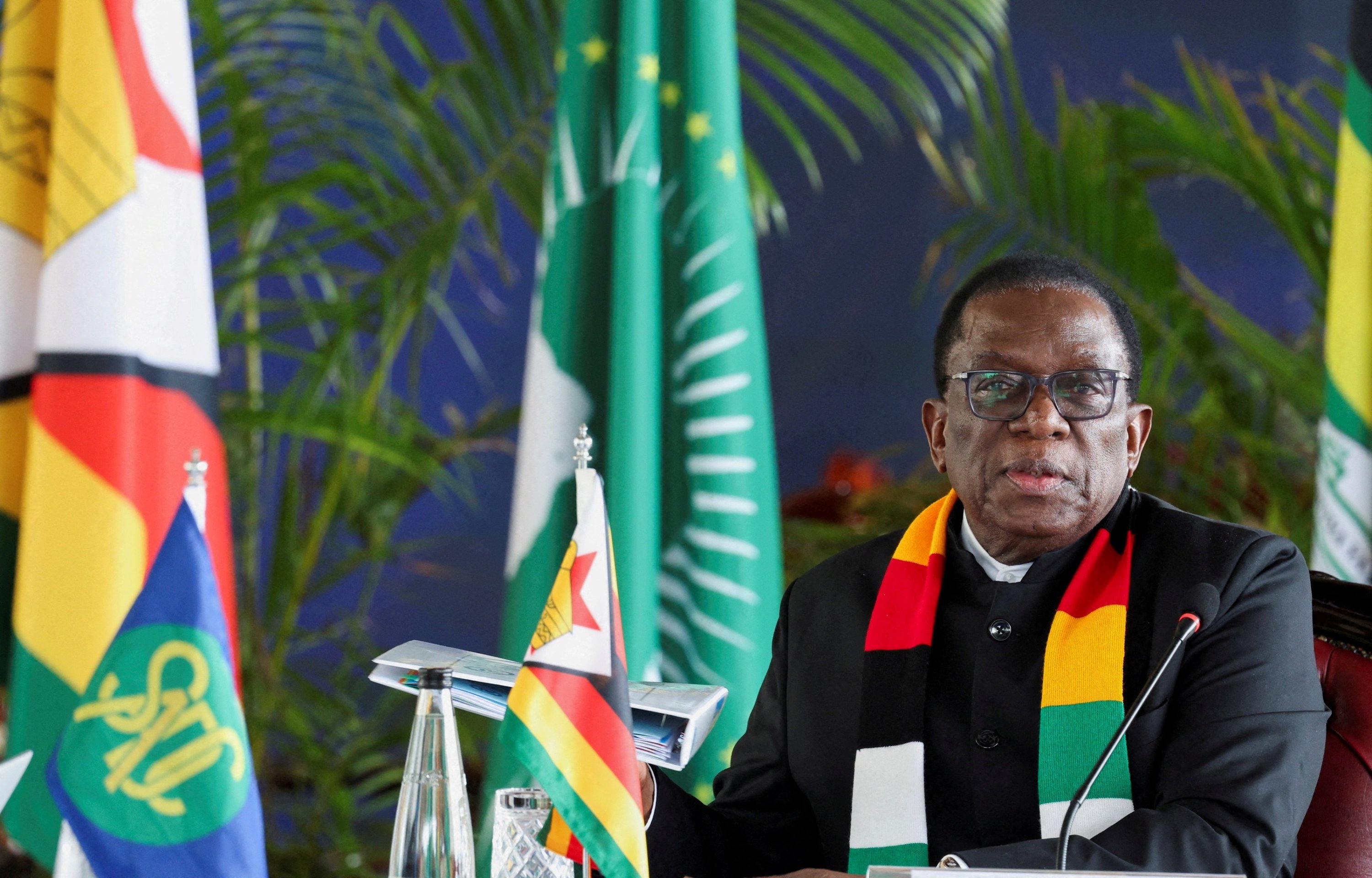
Zimbabwean President Emmerson Mnangagwa on Tuesday signed into law a controversial constitutional amendment extending his current term by two years to 2030, cementing one of the country’s most significant political changes since the adoption of the 2013 Constitution.
Government spokesperson Nick Mangwana confirmed that Mnangagwa had assented to the Constitutional Amendment (No. 3) Act, bringing into force a package of reforms that reshapes Zimbabwe’s electoral, judicial, and political systems while postponing the next general elections from 2028 to 2030.
The legislation has triggered sharp criticism from opposition parties, civil society organizations, constitutional lawyers, and some liberation war veterans, who argue it erodes democratic safeguards and concentrates power in the hands of the ruling Zimbabwe African National Union-Patriotic Front (ZANU-PF).
Sweeping constitutional changes
The new law extends presidential and parliamentary terms from five years to seven years, allowing Mnangagwa to remain in office until 2030 instead of completing what had been expected to be his final term in 2028.
The amendments also overhaul Zimbabwe’s political system in several other ways.
Future presidents will no longer be elected directly by voters. Instead, Parliament will elect the country’s head of state, a shift supporters say will strengthen political stability but critics argue removes one of the public’s most important democratic rights.
The legislation also expands the Senate from 80 to 90 members, increasing the number of presidential appointments, while transferring voter registration responsibilities from the Zimbabwe Electoral Commission to the Registrar-General.
Judicial reforms form another key part of the package, eliminating public interviews for senior judicial appointments and creating a new Judge President position within the Supreme Court.
Long-planned political reform
The amendment follows months of legislative action driven by ZANU-PF, which has governed Zimbabwe since the country gained independence in 1980.
The process began in October 2025 when the ruling party resolved to pursue an extension of presidential terms. Zimbabwe’s Cabinet approved the draft amendment in February 2026 before lawmakers advanced it through Parliament with commanding majorities.
The National Assembly approved the bill on June 18 with 216 lawmakers voting in favor and 42 against, comfortably surpassing the two-thirds constitutional threshold required for amendments. Less than a week later, the Senate endorsed the legislation by a 75-4 margin, clearing the way for presidential approval.
With Mnangagwa’s signature, the Constitutional Amendment (No. 3) Act officially became law after being published in the government gazette.
A president whose tenure keeps growing
Mnangagwa, 83, came to power in November 2017 after the military removed longtime leader Robert Mugabe from office following nearly four decades in power.
He won the presidency in the disputed 2018 election before securing another term in 2023. Under Zimbabwe’s previous constitutional framework, that second term was expected to be his last, ending in 2028.
The new legislation now extends his presidency by an additional two years while synchronizing parliamentary and presidential elections under the revised seven-year cycle.
Democracy concerns intensify
The constitutional overhaul has become one of the most divisive political issues in Zimbabwe in recent years.
Opposition leaders argue the amendments violate the spirit of the 2013 Constitution, particularly Section 328, which contains a “no-benefit” provision designed to prevent constitutional changes from extending the tenure of a sitting president.
Legal experts have questioned whether the amendment can lawfully apply to Mnangagwa without first being approved through a national referendum.
Critics also warn that allowing Parliament to elect future presidents could further entrench ZANU-PF’s dominance, given the party’s overwhelming legislative majority, while changes affecting voter registration, judicial appointments, and Senate composition raise fresh concerns about institutional independence and electoral transparency.
Several legal challenges have already been filed, although the ruling party’s parliamentary strength enabled the legislation to move swiftly through both houses.
High stakes for Zimbabwe’s future
The reforms arrive as Zimbabwe continues to grapple with persistent economic difficulties, including currency instability, high unemployment, inflationary pressures, and infrastructure challenges.
The government maintains the constitutional changes will provide policy continuity and political stability needed to complete long-term economic and development programs.
Opponents, however, see the amendments as a major step backward for constitutional democracy, arguing they weaken checks and balances while concentrating political authority.
DAILYSABAH
هلدینگ کاسپین استانبول | خرید ملک در ترکیه | صرافی معتبر ایرانی در ترکیه | خرید و فروش طلا در ترکیه | مهاجرت به ترکیه | واردات و صادرات در ترکیه | نیازمندیهای ترکیه | اخبار ترکیه | اخبار جهانی | توریست ایران | خدمات توریستی در ایران | تورهای گردشگری ایران | هلدینگ اول | خدمات کاریابی و فریلنسری و شغل | مرجع اطلاعات ایران (همه چیز در ایران) | کیف پول و خدمات مالی و پرداخت یار | اخبار ایران | تابلو زنده قیمت ارز در ترکیه و استانبول | صرافی آنلاین ترکیه | قیمت طلا و نقره در ترکیه | سرمایه گذاری در ترکیه | جواهرات در ترکیه | نرخ لحظه ای ارزها در استانبول | قیمت دلار امروز در ترکیه | قیمت دلار استانبول امروز | قیمت لحظه ای دلار | اخبار روز ترکیه استانبول | اپلیکیشن ISTEX | اپلیکیشن قیمت لحظه ای دلار و یورو و لیر و ارزها در ترکیه
About the Author