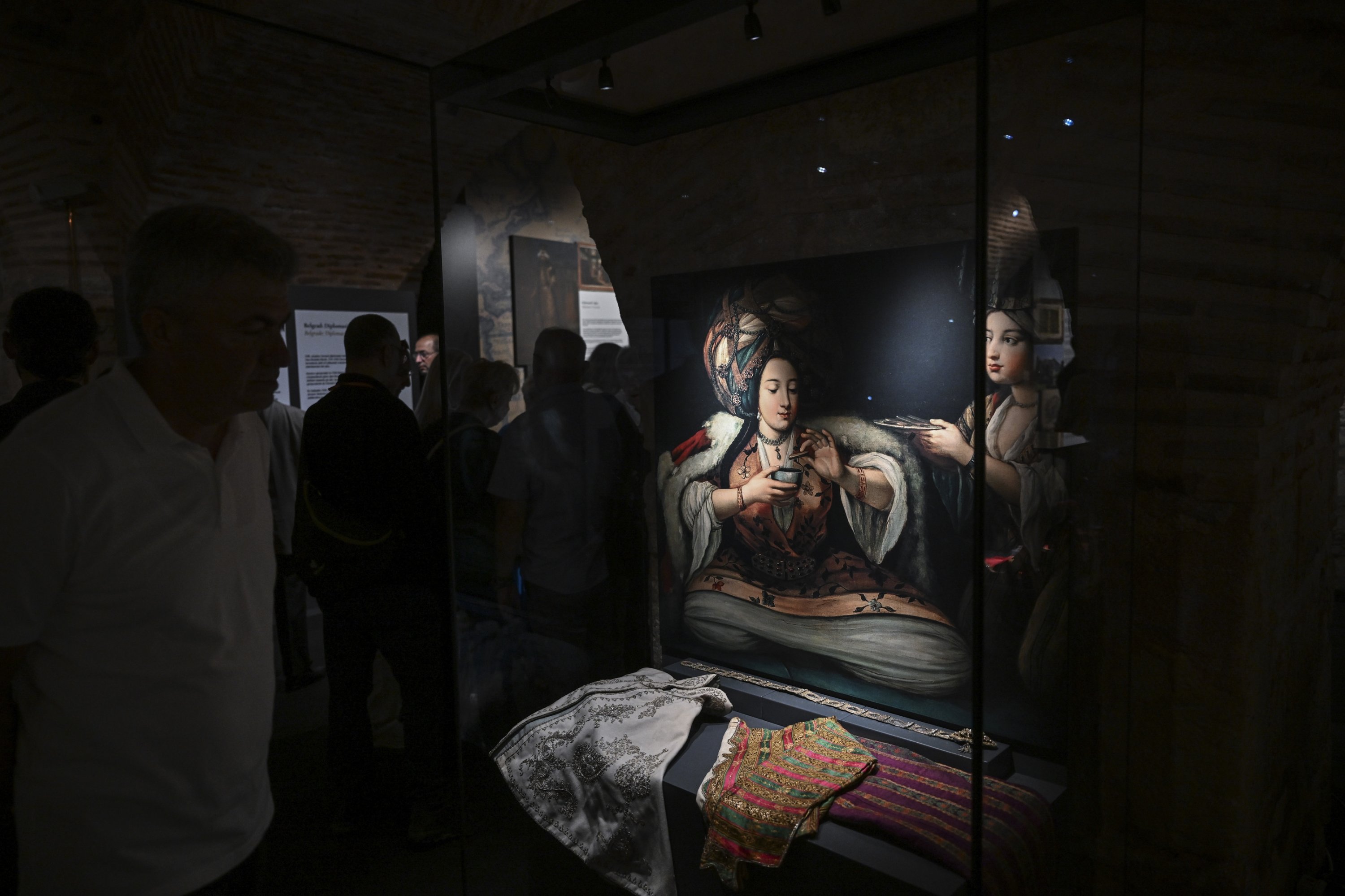
“May my children and those who come after me benefit from these books.”
More than three centuries after those words were inscribed on a heart-shaped foundation seal, they have found new life in “The Seal of the Heart: The Manuscript Collection and Family Legacy of Reisülküttap Hacı Mustafa Efendi,” now on view at Istanbul’s Turkish and Islamic Arts Museum.
The exhibition brings together manuscripts, seals, geometry notebooks and family heirlooms that had long been kept in different collections. Rather than displaying the objects separately, it reunites them to tell the story of a Kastamonu family and its cultural and intellectual heritage spanning more than 300 years.
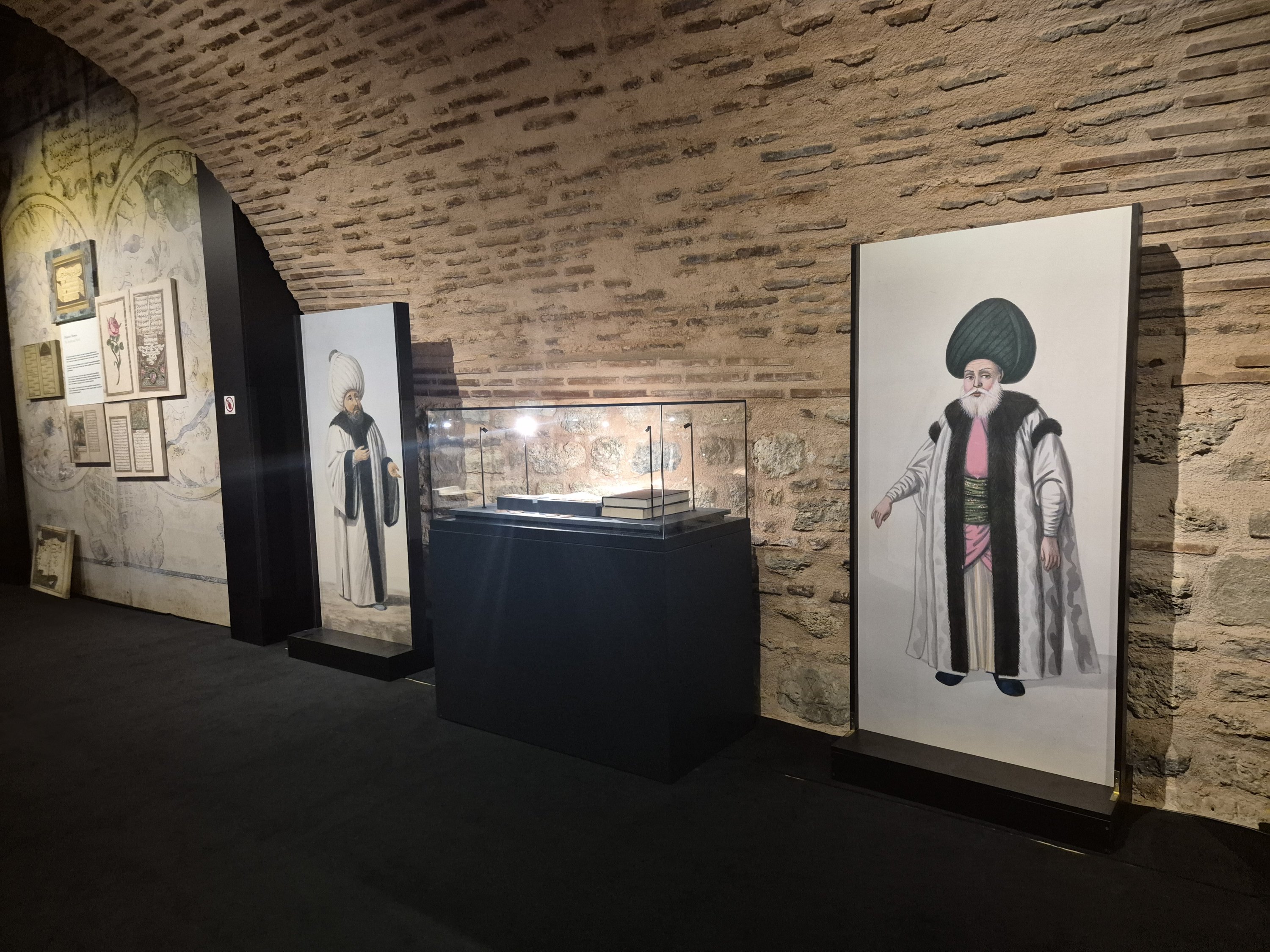
One thing I particularly liked about the exhibition was how naturally it fit into the Turkish and Islamic Arts Museum. Surrounded by centuries of Islamic art and craftsmanship, the collection feels as though it belongs there, making the visit even more enjoyable.
But before looking at the collection itself, it helps to know who Hacı Mustafa Efendi was. He served as reisülküttap, the Ottoman official responsible for state correspondence and foreign affairs. Although he held one of the empire’s important administrative positions, the exhibition is more interested in the books he collected and the legacy he left behind than in his political career.
One of the things that stands out is the family’s ability to preserve the books and manuscripts of a statesman who lived more than three centuries ago. The exhibition also touches on the continuity between the Ottoman Empire and the Republic of Türkiye, while highlighting diplomacy and the waqf tradition.
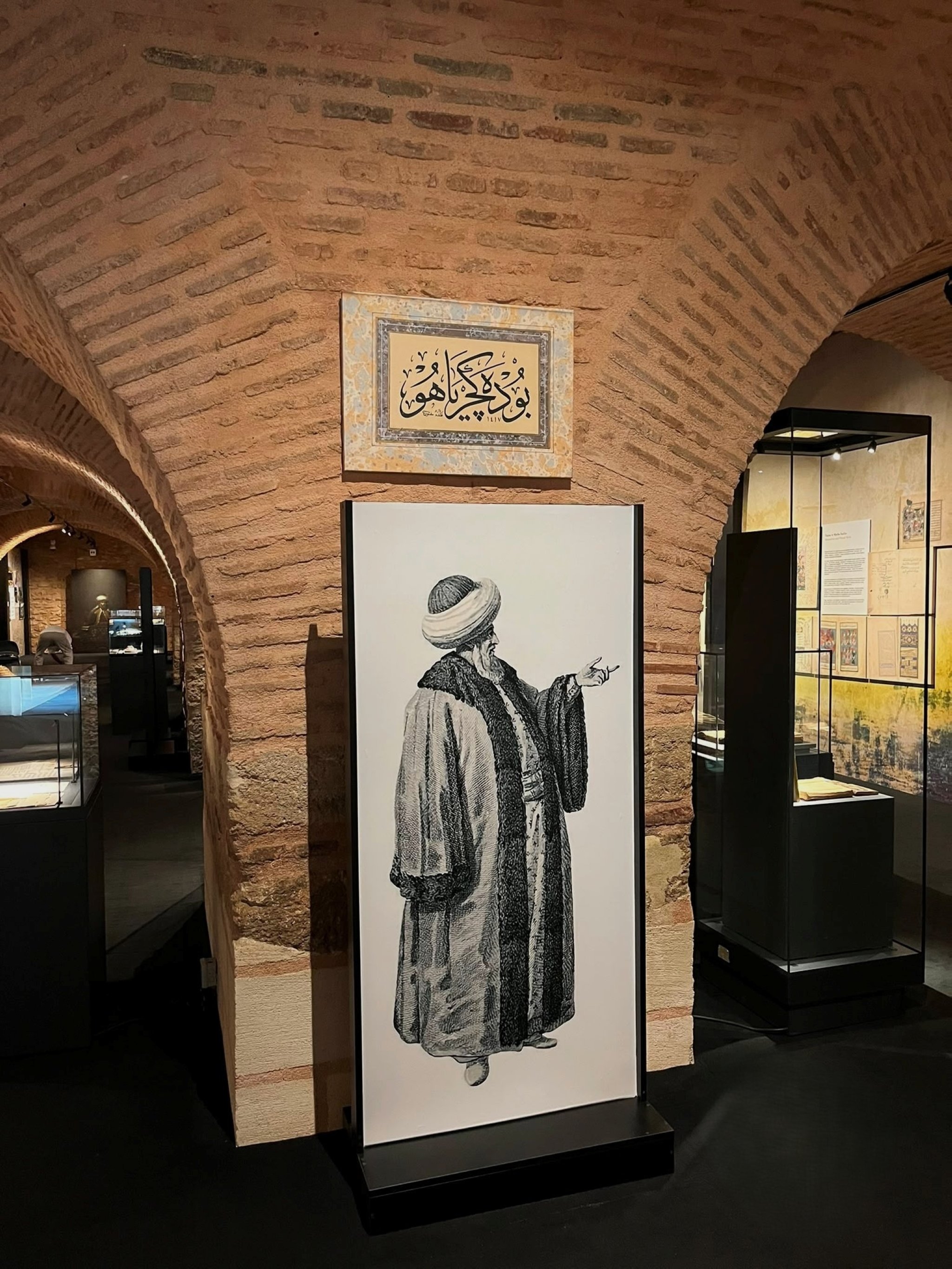
The collection is equally important because it reflects the family’s intellectual heritage across generations. As you move through the exhibition, it becomes clear that Hacı Mustafa Efendi attached great importance to the waqf tradition. He wanted not only his own children and grandchildren, but also future generations, to read these books, learn from them and continue building on that knowledge. In the Ottoman Empire, waqfs played a central role in preserving education, learning and cultural heritage and Hacı Mustafa Efendi’s family became part of that tradition.
One of the most meaningful parts of the exhibition is the heart-shaped waqf seal. Rather than the object itself, it is the message engraved on it that inspired curator Zeynep Esen, one of Hacı Mustafa Efendi’s descendants, to bring the family’s centuries-old cultural heritage together under a single narrative and share it with the public for the first time.
Hacı Mustafa Efendi’s library also reveals the breadth of his interests. The books cover subjects including astronomy, literature, geography and diplomatic travel accounts. His knowledge of several languages also helped shape him into the scholar presented throughout the exhibition.
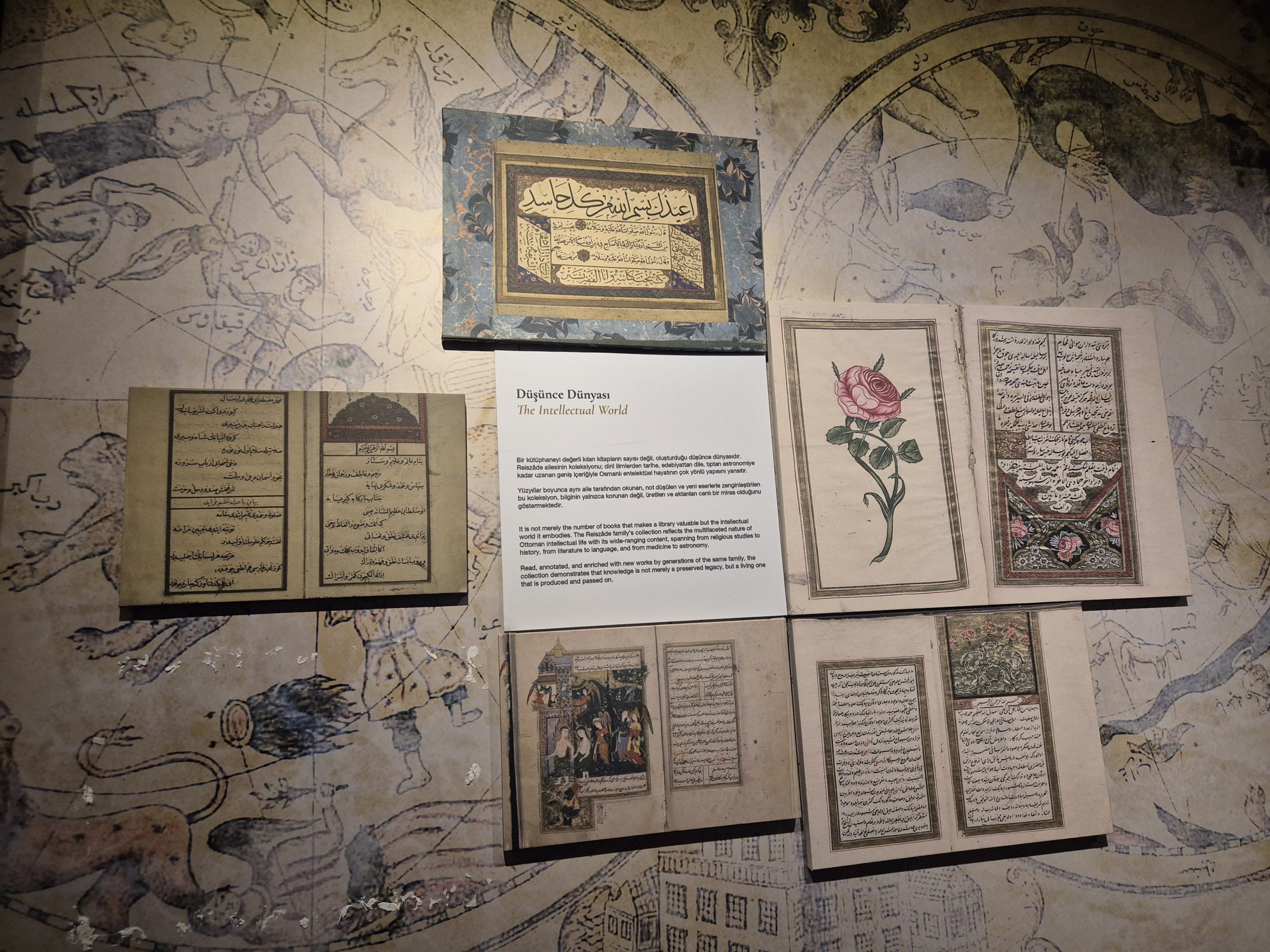
Among the many manuscripts and archival materials, one of my favorite details was a reproduction of a rose Hacı Mustafa Efendi had drawn in one of his own books. It is easy to focus on his role as a statesman and scholar, but this small drawing reveals another side of him. It shows that he also had an artistic eye, adding a more personal touch to the story told throughout the exhibition.
The exhibition takes visitors on a chronological journey. It begins with Hacı Mustafa Efendi’s life before continuing through the generations that followed him. Family trees, archival documents and personal objects help connect the different periods, making it easy to follow how the family’s intellectual tradition evolved over the centuries. Seeing descendants who also became statesmen and mastered several languages, it is interesting to think that his wish for future generations to benefit from his books was fulfilled, at least in part.
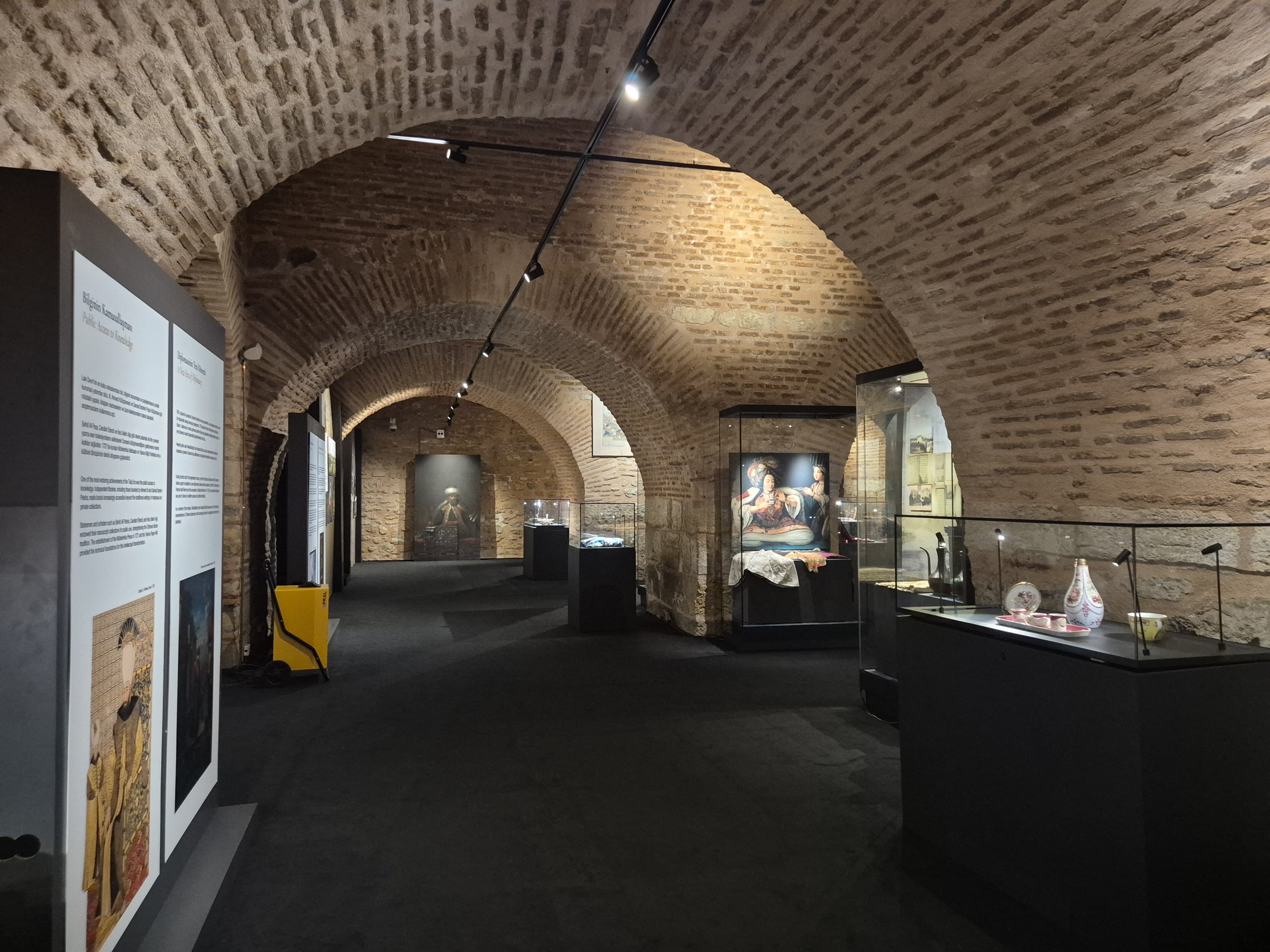
If you follow the exhibition chronologically, the visit ends with a powerful quotation from one of Hacı Mustafa Efendi’s own works. After learning about his life, his books and the generations that followed him, the words carry even greater meaning.
“The good and the evil in the world are like twins, and with benefits and harm as their constant companions. Human beings, however, possess the capacity to incline towards either good or evil, depending on the degree of their reason. Therefore, everyone must, in accordance with this capacity, produce a work to the best of their ability to be included among the ranks of the good.”
Running through July 31, “The Seal of the Heart” offers visitors the chance to step into the intellectual world of one of the Ottoman Empire’s distinguished statesmen before stepping back into the historic streets of Sultanahmet.
DAILYSABAH
هلدینگ کاسپین استانبول | خرید ملک در ترکیه | صرافی معتبر ایرانی در ترکیه | خرید و فروش طلا در ترکیه | مهاجرت به ترکیه | واردات و صادرات در ترکیه | نیازمندیهای ترکیه | اخبار ترکیه | اخبار جهانی | توریست ایران | خدمات توریستی در ایران | تورهای گردشگری ایران | هلدینگ اول | خدمات کاریابی و فریلنسری و شغل | مرجع اطلاعات ایران (همه چیز در ایران) | کیف پول و خدمات مالی و پرداخت یار | اخبار ایران | تابلو زنده قیمت ارز در ترکیه و استانبول | صرافی آنلاین ترکیه | قیمت طلا و نقره در ترکیه | سرمایه گذاری در ترکیه | جواهرات در ترکیه | نرخ لحظه ای ارزها در استانبول | قیمت دلار امروز در ترکیه | قیمت دلار استانبول امروز | قیمت لحظه ای دلار | اخبار روز ترکیه استانبول | اپلیکیشن ISTEX | اپلیکیشن قیمت لحظه ای دلار و یورو و لیر و ارزها در ترکیه
About the Author