Diplomacy has a quieter dimension that rarely reaches the headlines, which is expressed through the language of gastronomy. Long before modern summits, official declarations and carefully choreographed photographs, shared meals have played a role in shaping relations between states. A formal communique may document the agreements reached by governments, but it seldom captures the atmosphere, trust and personal connections that make those agreements possible. Some diplomatic encounters endure in memory not because of what was written on paper, but because of what took place around the table.
One of those memories has never really faded from my mind. On June 14, 1996, it was my privilege to attend HABITAT II, the second United Nations Conference on Human Settlements, held in Istanbul, and its closing gala at Çırağan Palace while I was still quite young. The waitstaff moved in rhythmic, almost military cadence, each plate set down in the same synchronized motion, every gesture as precise as a drill. The food, shaped by an Anatolian tradition that Istanbul had refined over centuries, was remarkable. The late President Süleyman Demirel and the then first lady of Türkiye, Nazmiye Demirel, welcomed nearly 180 delegations that evening. Even then, it seemed that the kitchen was doing diplomatic work of its own. Looking back, that may have been my first glimpse, without yet having the vocabulary for it, of what is today called gastrodiplomacy.
The term itself is fairly recent, but the practice is not. Ottoman rulers welcomed foreign guests with elaborate banquets because a table could leave an impression long after speeches had been forgotten. A carefully planned menu can say something about a country without appearing to make a point. That idea has surfaced repeatedly in the diplomatic history of Türkiye.
It surfaced at the 1999 Organisation for Security and Co-operation in Europe (OSCE) Istanbul Summit, where former U.S. President Bill Clinton and former Russian President Boris Yeltsin found themselves at the same table only months after the Kosovo conflict had strained relations between their countries. It appeared again during the 2004 NATO Istanbul Summit, when another U.S. President, George W. Bush, British Prime Minister Tony Blair, former French President Jacques Chirac and former German Chancellor Gerhard Schröder were received across Dolmabahçe Palace, Çırağan Palace and Esma Sultan Mansion. The choice of venues was hardly incidental. Nor was the menu served at the G20 Summit in Antalya in 2015, where leaders including the presidents of the big three, Barack Obama, Vladimir Putin, Xi Jinping and others were introduced to a culinary journey stretching from Gaziantep to the Black Sea and the Ottoman palace kitchen. Those occasions were remembered for political reasons, certainly. The table quietly became part of the message as well.
Tradition of Turkish kitchen
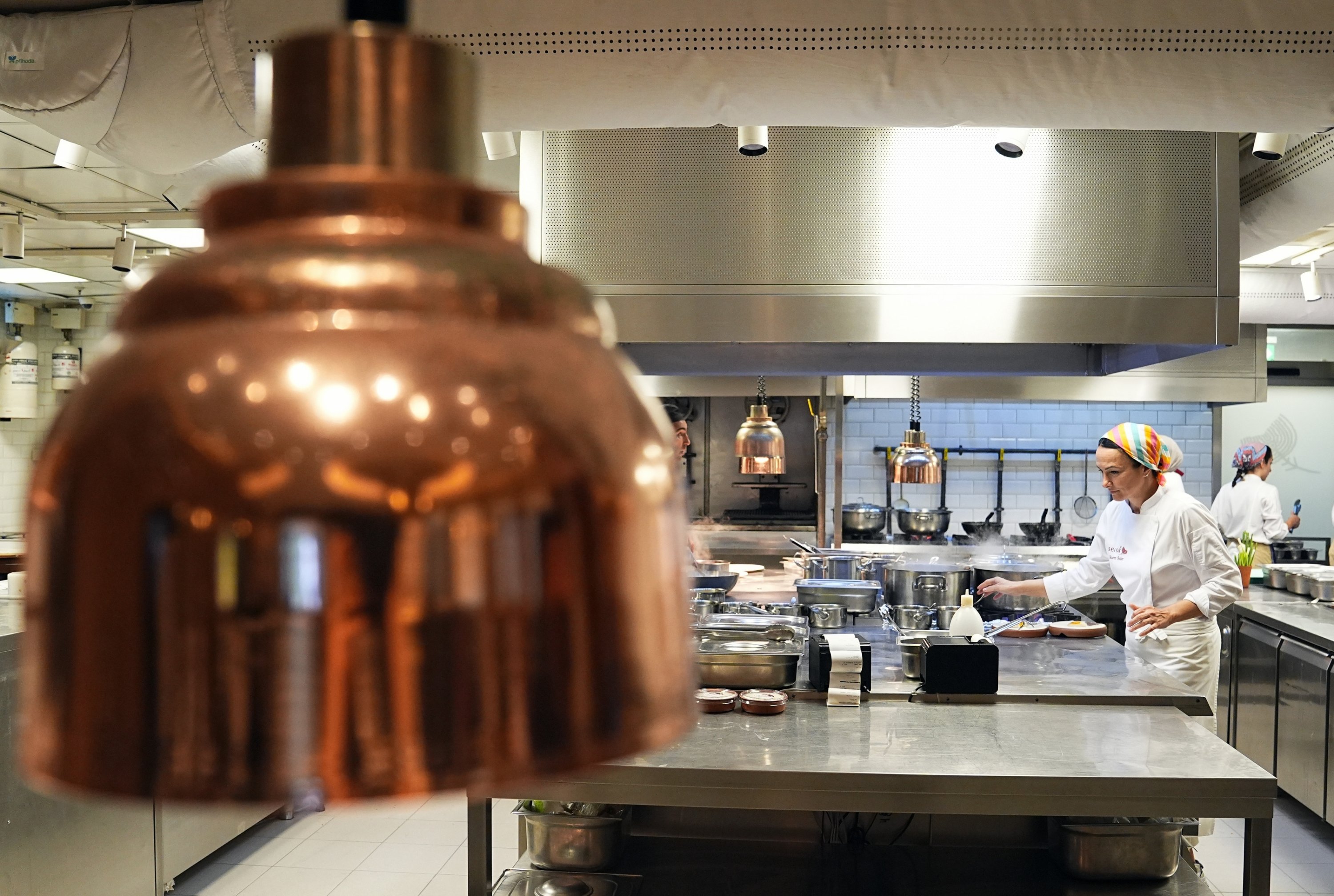
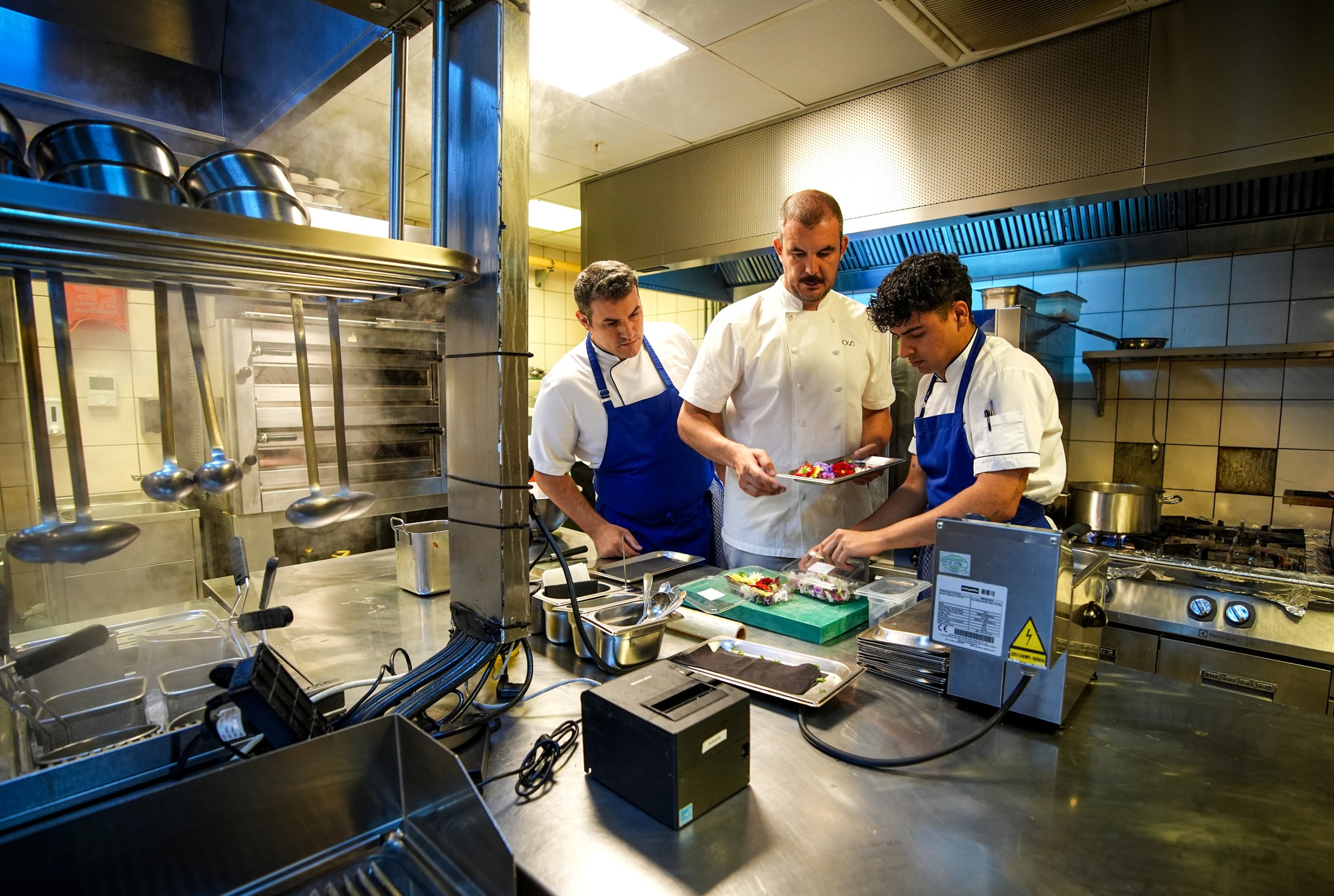
The NATO Summit in Ankara in 2026 followed the same tradition, although in a more self-conscious way. Chef Fatih Tutak, the first chef in Türkiye to receive two Michelin stars, prepared the dinner for the heads of state and government. Chef Sinem Özler oversaw a separate dinner for around 300 guests, while chef Osman Sezener worked with the first ladies at Çankaya Mansion. All three were given essentially the same instruction: do not simplify the food.
In my view, the more revealing decision was not what appeared on the menu, but what the organizers deliberately chose to leave unchanged. International summits often encourage hosts to soften the sharper edges of their national culture before presenting it to foreign leaders. This dinner did the opposite. The names of the dishes remained untouched, and their regional identities stayed intact. That choice reflected a quiet confidence: the menu was expected to represent the country as it is, not as others might have preferred it to be.
The menu moved from Trabzon butter and Hizan honeycomb with stone oven bread to Kayseri mantı with smoked Ayaş tomato paste, sea bass with Urla mastic artichoke and Tokat vine leaves, slow-cooked beef short rib with freekeh pilaf and morel mushrooms, before ending with Sütlü Nuriye (a kind of milk-soaked baklava) served alongside Kahramanmaraş ice cream and pistachio foam. Every course pointed to a distinct region. Özler later remarked that a menu built this way always risks becoming more educational than enjoyable. Judging from the evening itself, that concern never materialized.
It was reported that journalists who spoke with Tutak after the dinner said U.S. President Donald Trump particularly enjoyed the beef short rib and hünkar beğendi (an eggplant and meat dish), asking that the recipes be sent to the White House kitchen. French President Emmanuel Macron reportedly suggested that a restaurant of this kind should open in Paris. Whether those remarks eventually become summit folklore is less important than the fact that they were spontaneous. Diplomacy produces countless prepared statements. Unscripted reactions are far less common.
Özler later noted that the plates came back empty. She had insisted on serving içli köfte and semolina helva instead of dishes that would have been easier to introduce to an international audience. The decision was not driven by nostalgia. Those dishes belong to particular places and traditions, and changing them would have weakened what the dinner was trying to convey.
Coverage of the evening continued well after the summit itself had ended. Attention shifted from the formal agenda toward the menu, the ingredients and the chefs behind them. That was more than a pleasant side story. It showed that one of the summit’s most enduring impressions had been formed away from the negotiating table.
DAILYSABAH
هلدینگ کاسپین استانبول | خرید ملک در ترکیه | صرافی معتبر ایرانی در ترکیه | خرید و فروش طلا در ترکیه | مهاجرت به ترکیه | واردات و صادرات در ترکیه | نیازمندیهای ترکیه | اخبار ترکیه | اخبار جهانی | توریست ایران | خدمات توریستی در ایران | تورهای گردشگری ایران | هلدینگ اول | خدمات کاریابی و فریلنسری و شغل | مرجع اطلاعات ایران (همه چیز در ایران) | کیف پول و خدمات مالی و پرداخت یار | اخبار ایران | تابلو زنده قیمت ارز در ترکیه و استانبول | صرافی آنلاین ترکیه | قیمت طلا و نقره در ترکیه | سرمایه گذاری در ترکیه | جواهرات در ترکیه | نرخ لحظه ای ارزها در استانبول | قیمت دلار امروز در ترکیه | قیمت دلار استانبول امروز | قیمت لحظه ای دلار | اخبار روز ترکیه استانبول | اپلیکیشن ISTEX | اپلیکیشن قیمت لحظه ای دلار و یورو و لیر و ارزها در ترکیه
About the Author