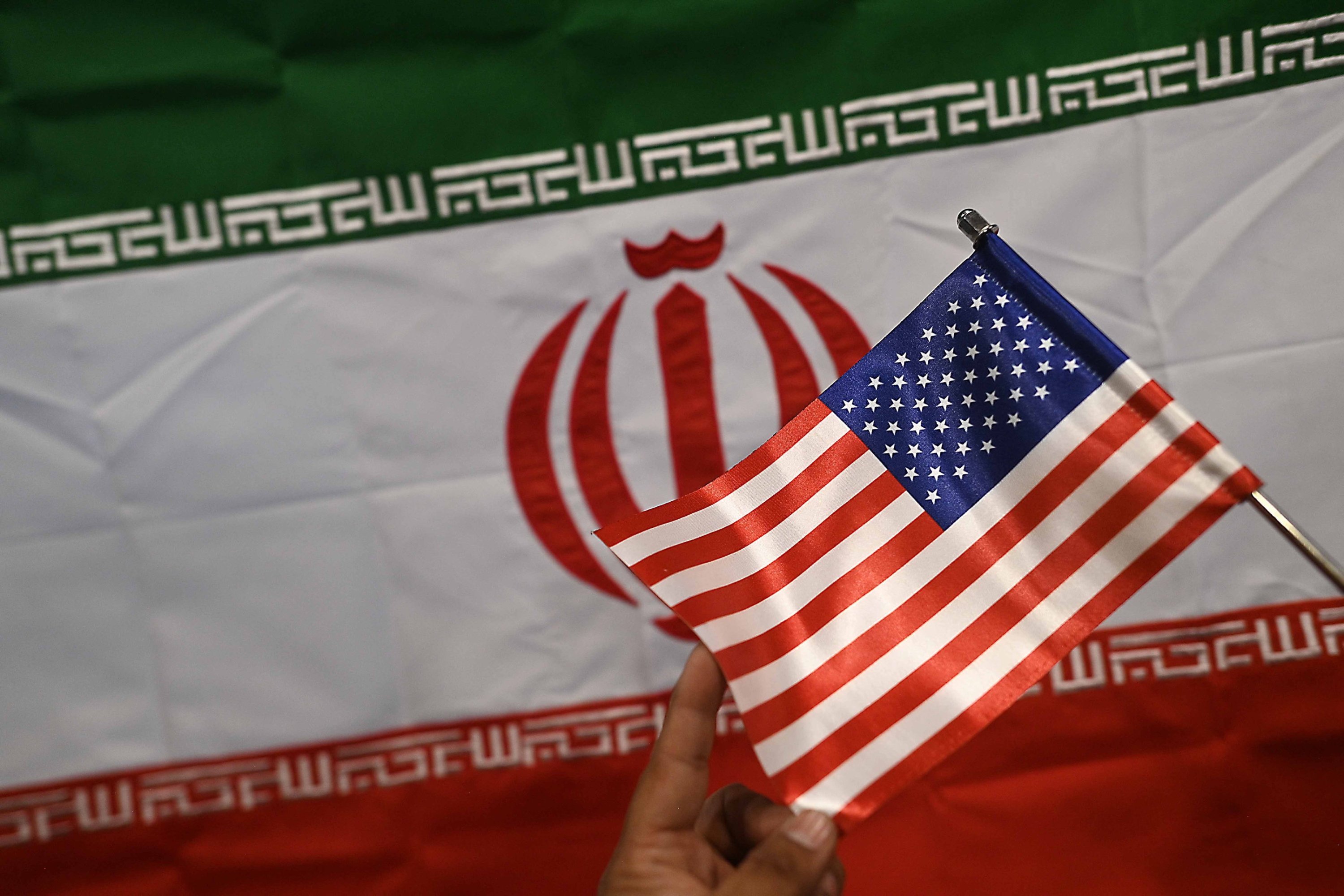
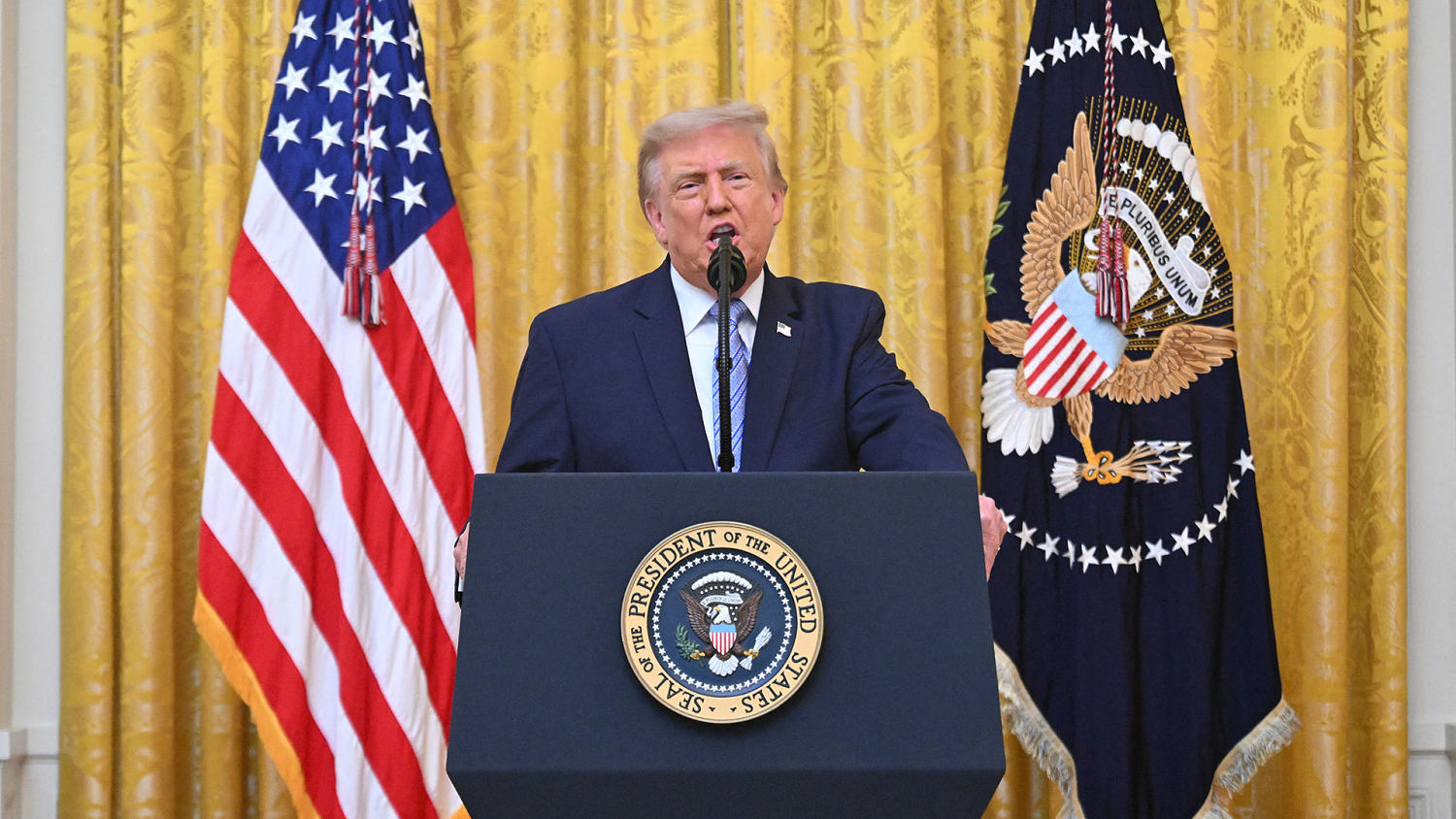
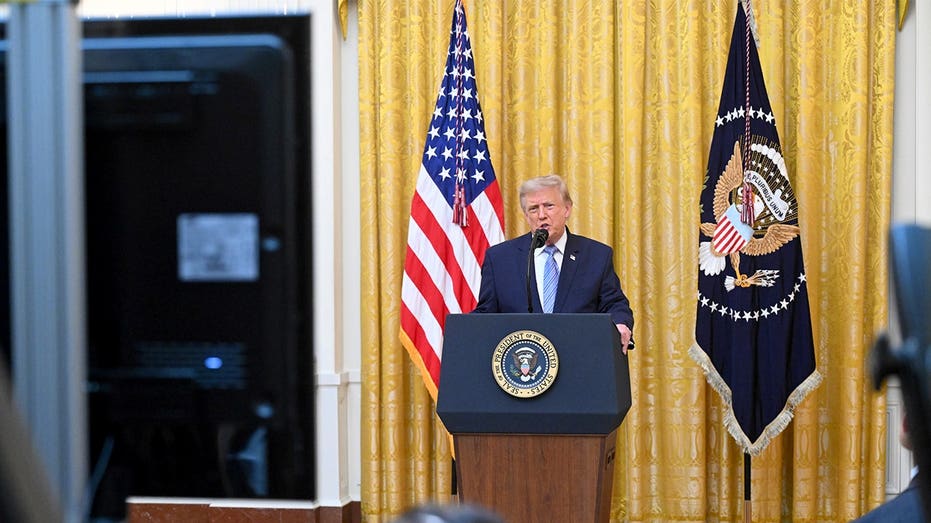
U.S. President Donald Trump said an agreement with Iran could be finalized within days, adding that further talks between the two sides are likely to take place over the weekend.
“I think we will get a deal in the next day or two,” Trump was quoted as saying, adding that representatives from the U.S. and Iran would “probably” meet over the weekend.
The White House said planning for another round of talks was still underway. A specific date has not yet been set, a senior government official told dpa.
A first round of talks between the U.S. and Iran ended without concrete results last weekend in the Pakistani capital, Islamabad. Pakistan is already preparing for further negotiations.
Trump said the U.S. blockade of ships sailing to Iranian ports – announced after talks with Tehran last weekend ended without agreement – would remain until “our transaction with Iran is 100% complete.”
Iran responded sharply, with Foreign Ministry spokesperson Esmaeil Baghaei warning that Tehran would take “necessary reciprocal measures” if a maritime blockade continued.
Vessel traffic data showed a group of around 20 ships, including container ships, bulk carriers, and tankers, moving through the Gulf toward the Strait of Hormuz. It was unclear whether they would be stopped or allowed to pass.
It was also unclear how the two sides would address Iran’s nuclear program, which has been a key sticking point in talks so far.
Trump told Reuters the U.S. would remove Iran’s enriched uranium, but Baghaei told state TV the material would not be transferred anywhere. Separately, a senior Iranian official told Reuters that no agreement had been reached and serious negotiations were required to overcome differences between the two sides.
He said Tehran hoped a preliminary agreement could be reached in the coming days that could extend a cease-fire that is due to expire next week. That could buy more time for negotiations on lifting sanctions on Iran and securing compensation for war damages, the official said.
U.S.-Israeli strikes on Iran began on Feb. 28, triggering Iranian attacks on Gulf neighbors and reigniting the Israel-Hezbollah conflict in Lebanon.