Int’l teams join excavations in SE Türkiye to uncover early settlements | Daily Sabah
Türkiye’s Taş Tepeler initiative – a major archaeological project exploring some of the world’s oldest Neolithic settlements, including sites like Göbeklitepe – is expanding internationally as Japanese and Chinese archaeologists join new excavations in Şanlıurfa.
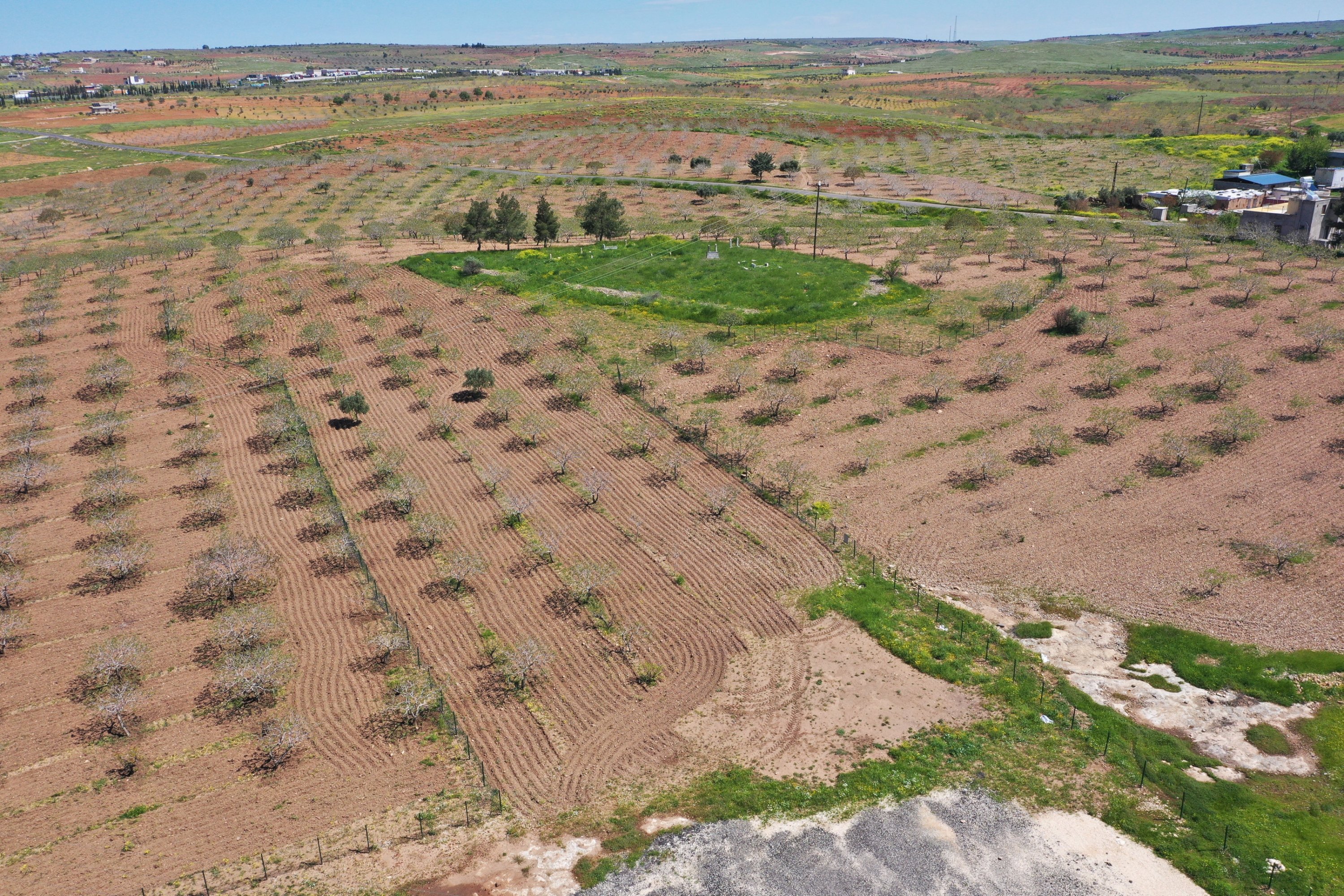
New excavation work is set to begin in the Karaköprü district at Ayanlar Höyük and Yoğunburç, as researchers continue tracing the Neolithic heritage seen in sites such as Göbeklitepe and Karahantepe.
Taş Tepeler Coordinator Necmi Karul said Japanese archaeologists will soon begin long-term excavations at Ayanlar Höyük, noting their meticulous and research-driven approach.
“Our Japanese colleagues are planning a long-term study. They have already completed preliminary preparations, including excavation houses and documentation work,” Karul said, adding that their experience in Türkiye suggests a commitment to careful and sustained research rather than quick results.
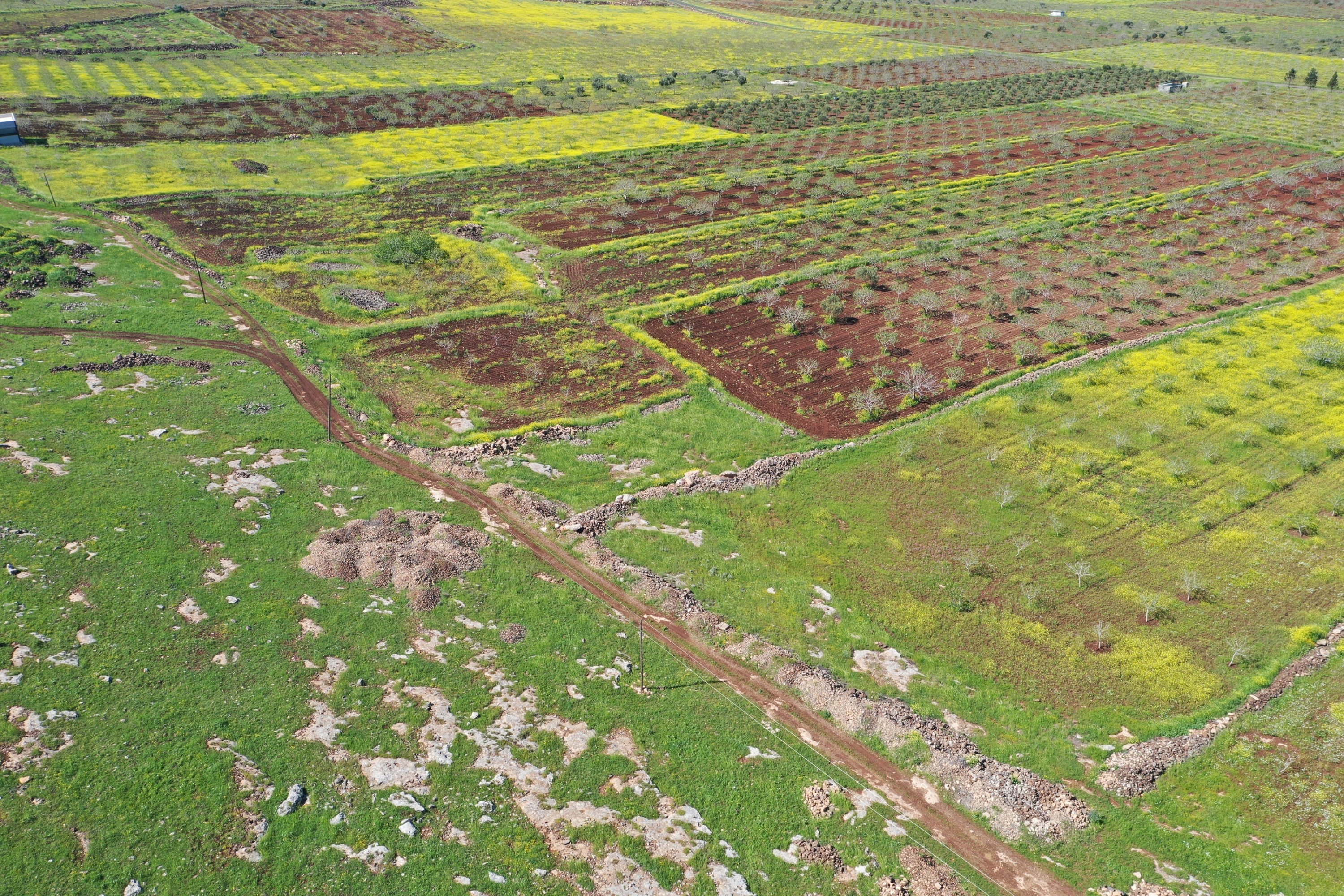
Karul recalled that Japan’s Princess Akiko Mikasa visited the Ayanlar site last year alongside Culture and Tourism Minister Mehmet Nuri Ersoy and symbolically launched the excavation.
Meanwhile, Chinese archaeologists are set to join the project next month, marking the first archaeological excavation by China in Türkiye. Work will begin at Yoğunburç, a site that has never previously been excavated.
“Yoğunburç will be excavated for the first time. This will be the People’s Republic of China’s first excavation project in Türkiye,” Karul said, highlighting the growing international dimension of the Taş Tepeler initiative.
He emphasized that the Neolithic period represents a shared chapter in human history, encompassing early settlement, food production, division of labor and architecture, making it a focal point for global scientific collaboration.
Currently, the Taş Tepeler Project is conducted with the cooperation of 36 academic institutions, including 15 from Türkiye and 21 from abroad, making it one of the most comprehensive archaeological efforts in the country’s history.
Karul noted that around 200 archaeologists participated in the project last year, ranging from early-career researchers to seasoned experts. He added that knowledge transfer between generations is a key feature of the initiative, helping train a new wave of archaeologists in the field.
The project continues to position Türkiye as a global hub for archaeological research while promoting international collaboration in uncovering humanity’s earliest chapters.
DAILYSABAH
هلدینگ کاسپین استانبول | خرید ملک در ترکیه | صرافی معتبر ایرانی در ترکیه | خرید و فروش طلا در ترکیه | مهاجرت به ترکیه | واردات و صادرات در ترکیه | نیازمندیهای ترکیه | اخبار ترکیه | اخبار جهانی | توریست ایران | خدمات توریستی در ایران | تورهای گردشگری ایران | هلدینگ اول | خدمات کاریابی و فریلنسری و شغل | مرجع اطلاعات ایران (همه چیز در ایران) | کیف پول و خدمات مالی و پرداخت یار | اخبار ایران | تابلو زنده قیمت ارز در ترکیه و استانبول | صرافی آنلاین ترکیه | قیمت طلا و نقره در ترکیه | سرمایه گذاری در ترکیه | جواهرات در ترکیه | نرخ لحظه ای ارزها در استانبول | قیمت دلار امروز در ترکیه | قیمت دلار استانبول امروز | قیمت لحظه ای دلار | اخبار روز ترکیه استانبول | اپلیکیشن ISTEX | اپلیکیشن قیمت لحظه ای دلار و یورو و لیر و ارزها در ترکیه
About the Author