Home – CBSNews.com
Add CBS News on Google
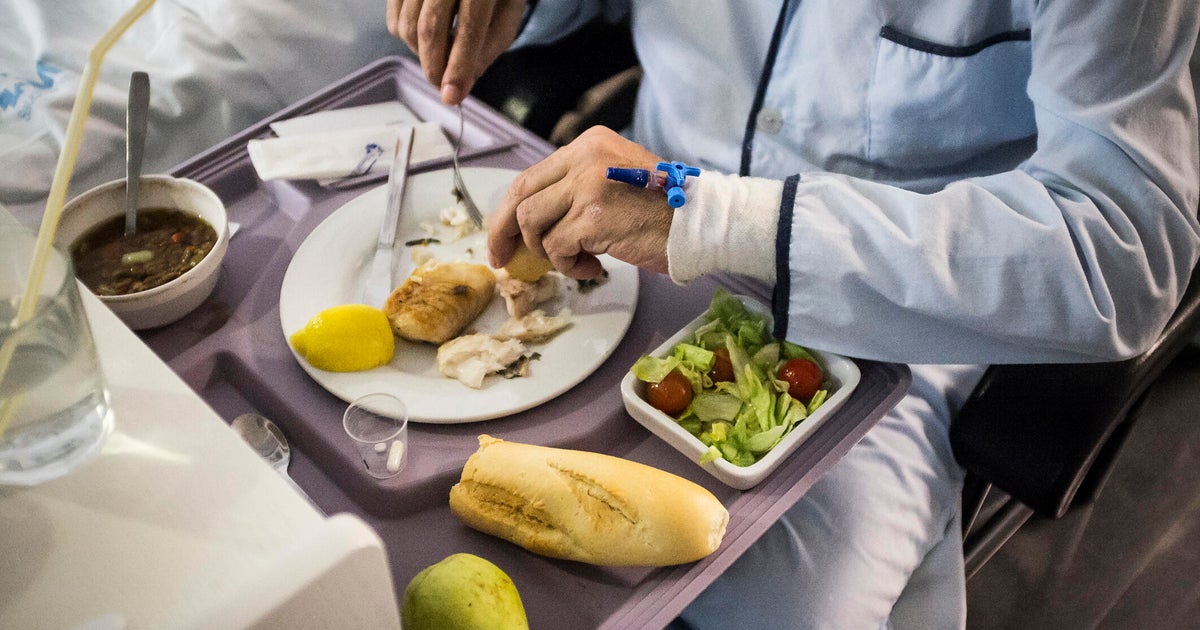
Complaints about hospital food are certainly not new, and Jell-O and fruit juice are often the butt of related jokes. But the Trump administration has recently upped the ante.
It is urging the public to report hospitals and nursing homes that serve sugary drinks, nutrition shakes or meals that it says don’t meet dietary guidelines established last year by the Department of Agriculture, with officials vowing to withhold millions of dollars in federal funding if violations occur.
The initiative from Health and Human Services Secretary Robert F. Kennedy Jr. is spurring backlash from some doctors and medical providers who say it fails to account for patients’ unique dietary needs and is anathema to Republicans who have long embraced an anti-regulatory stance.
It’s also not clear that HHS has the regulatory authority to enforce its threat without going through a formal rulemaking process, lawyers and dietitians say.
“Most of this is political theater. HHS doesn’t have the power to do much,” said Kevin Klatt, a dietitian and research scientist who is an assistant professor at the University of Toronto. “Also, if it’s to the point that you’re trying to control people’s choices, well, you look a little fascist.”
The agency sent notices to hospitals asking them to align their food purchases with the administration’s 2025-30 dietary guidelines to ensure continued eligibility for Medicaid and Medicare payments, Kennedy said at a March 30 press event.
“We are going to bring all the hospitals in the country in line with good food,” he said, describing the instructions as “essentially a federal mandate.”
Asked later about the guidance, however, HHS spokesperson Andrew Nixon said in a statement that it “does not establish new mandates, change Medicare Conditions of Participation, or create any new penalties for hospitals or nursing homes.”
“There are no changes to enforcement, survey, or accreditation processes associated with this guidance,” he added. Instead, he described the notice as building on “long-standing expectations” that healthcare facilities meet patients’ nutritional needs “as part of safe, high-quality, patient-centered care.”
Nixon also downplayed a threat by a top Kennedy adviser, Calley Means, who called on the public to report hospitals that don’t comply with the guidance.
“If a hospital is serving patients sugary drinks, they are out of compliance with government standards and are putting their reimbursements in jeopardy,” Means posted on X. “If you see patients being served sugary drinks, please post information below or let CMS know.”
The comment included a link to an HHS webpage with a toll-free number for reporting complaints typically used for medical bills. Withholding federal funding from hospitals is one of the most extreme enforcement tools available to regulators, one the Centers for Medicare & Medicaid Services has seldom deployed.
Even serving liquid nutrition products like Ensure to patients could put hospitals in jeopardy, Means warned. “They need to change or lose reimbursement. Please report them if you see it,” he told an X user.
Medicare and Medicaid, combined, are the largest payers of hospital expenditures.
Without mentioning Means by name, Nixon said in his statement that “references to external websites or hotlines are not connected to this guidance and do not reflect HHS or CMS policy. This effort reflects a commitment to supporting providers with clear, evidence-informed information as they continue to improve patient outcomes.”
Means did not respond directly to requests for comment from KFF Health News, instead posting on X shortly after he was contacted: “‘Trump Derangement Syndrome’ has led Democrats to defend the medical importance of mass-serving soda and junk food to American patients.” In a text with KFF Health News, he said, “That’s to cite if you want. I don’t have a comment.”
Still, some administration officials have made it clear they will not shy away from halting federal funding, a rarely taken step that can imperil the ability of a hospital to remain open.
A carrot and a stick
HHS can withhold or threaten federal funding if hospitals violate mandatory minimum health and safety standards set by the agency. The standards stipulate that hospitals must protect patient privacy, for example, and uphold infection control.
The standards do address hospital food, but they don’t explicitly refer to the 2025-30 dietary guidelines established by the USDA.
Rather, the standards require that “individual patient nutritional needs must be met in accordance with recognized dietary practices,” and list other requirements for hospitals, such as having access to a qualified dietitian.
“CMS has never before interpreted this requirement as mandating adherence to any set of dietary guidelines,” according to an April 13 brief from law firm Akin Gump Strauss Hauer & Feld.
The CMS memo shows the agency is taking the “notable step” to incorporate the dietary guidelines “into the hospital regulatory framework without new rulemaking,” according to the brief.
Hospitals are likely to comply because they are loath to cross the federal government and want to avoid a legal tussle or enforcement action by Kennedy, some lawyers say.
“He doesn’t have a legal basis to do this, but hospitals and nursing homes can’t afford to ignore it altogether because of what it signals about potential enforcement action,” said Nicholas Bagley, a University of Michigan law professor.
If federal funding were withheld, hospitals could always sue to try and challenge HHS’ authority.
“When the agency goes to the hospital and says, We’re going to take away your money for this, the hospital can sue and say, Look, nothing requires us to fry our fries in beef tallow or whatever,” Bagley said.
For hospitals looking to comply, the agency’s memo provides examples of what should and shouldn’t be served to patients.
Food as medicine
What the guidance calls “don’ts”: sugar-sweetened beverages or juice. And “do’s”: water, unsweetened tea, milk, or coffee. Meals suggested in the memo include grilled salmon with quinoa or bean-based entrees with leafy greens.
Some nutritionists welcomed the focus on hospital food for patients. Marion Nestle, a public health advocate and molecular biologist, lauded the initiative, saying, “These sound terrific!” in an April 8 post on her blog, Food Politics.
Other health leaders and doctors pushed back, noting hospitalized patients often have more individualized nutrition needs that may not conform to federal dietary recommendations.
For “a patient struggling to swallow from just having a stroke, salmon and quinoa is the worst thing for them. They’re going to risk aspirating on it,” said Klatt, the University of Toronto dietitian.
Hospitals that neglect to provide certain standards of care, such as protein shakes to treat malnutrition or an unhealthy weight loss, could open themselves up to possible legal liability. Eighty percent of malnourished elderly patients gained weight and improved muscle mass on nutritional supplements such as Ensure, according to the results of a clinical trial published in Nutrición Hospitalaria, a peer-reviewed scientific journal.
Abbott, which manufactures Ensure, makes a range of products including shakes for people who “could be malnourished due to medical treatments, such as chemotherapy, and not be getting the calories they need because they don’t have much of an appetite,” company spokesperson John Koval said in a statement.
“It’s always a struggle to get people to eat. Losing weight in the hospital raises the risk of mortality,” said Mary Talley Bowden, a sleep medicine specialist, who has often sided with Make America Healthy Again causes but criticized the administration’s call to report violations on X, posting: “Give me a break Calley. A hospital snitch line for soda?”
“It’s a little tyrannical,” she said in an interview.
The focus on hospital food came in late March as part of Kennedy’s MAHA initiative, in which he has touted changes to federal dietary guidelines that emphasize protein and healthy fats while eschewing processed foods.
Kennedy has leaned heavily into his work on changing eating habits, which fits into the MAHA gestalt and polls well with both Democratic and Republican voters. Eighty-six percent of registered voters surveyed said it should be easier for every American family to access fresh fruits and vegetables, according to a poll released in September 2025 by Navigator Research.
KFF Health News is a national newsroom that produces in-depth journalism about health issues and is one of the core operating programs at KFF — the independent source for health policy research, polling, and journalism.
wp:paragraph
هلدینگ کاسپین استانبول | خرید ملک در ترکیه | صرافی معتبر ایرانی در ترکیه | خرید و فروش طلا در ترکیه | مهاجرت به ترکیه | واردات و صادرات در ترکیه | نیازمندیهای ترکیه | اخبار ترکیه | اخبار جهانی | توریست ایران | خدمات توریستی در ایران | تورهای گردشگری ایران | هلدینگ اول | خدمات کاریابی و فریلنسری و شغل | مرجع اطلاعات ایران (همه چیز در ایران) | کیف پول و خدمات مالی و پرداخت یار | اخبار ایران | تابلو زنده قیمت ارز در ترکیه و استانبول | صرافی آنلاین ترکیه | قیمت طلا و نقره در ترکیه | سرمایه گذاری در ترکیه | جواهرات در ترکیه | نرخ لحظه ای ارزها در استانبول | قیمت دلار امروز در ترکیه | قیمت دلار استانبول امروز | قیمت لحظه ای دلار | اخبار روز ترکیه استانبول | اپلیکیشن ISTEX | اپلیکیشن قیمت لحظه ای دلار و یورو و لیر و ارزها در ترکیه
/wp:paragraph wp:paragraph /wp:paragraph
About the Author




