In Üsküdar, the city’s history and daily life come together. It does not take much to step away from the crowd and find something quieter. You can turn into a side street, stop at an open door and the noise will soften. From inside Atölye Balık, you can hear the sound of a brush on paper and people focusing on their work.
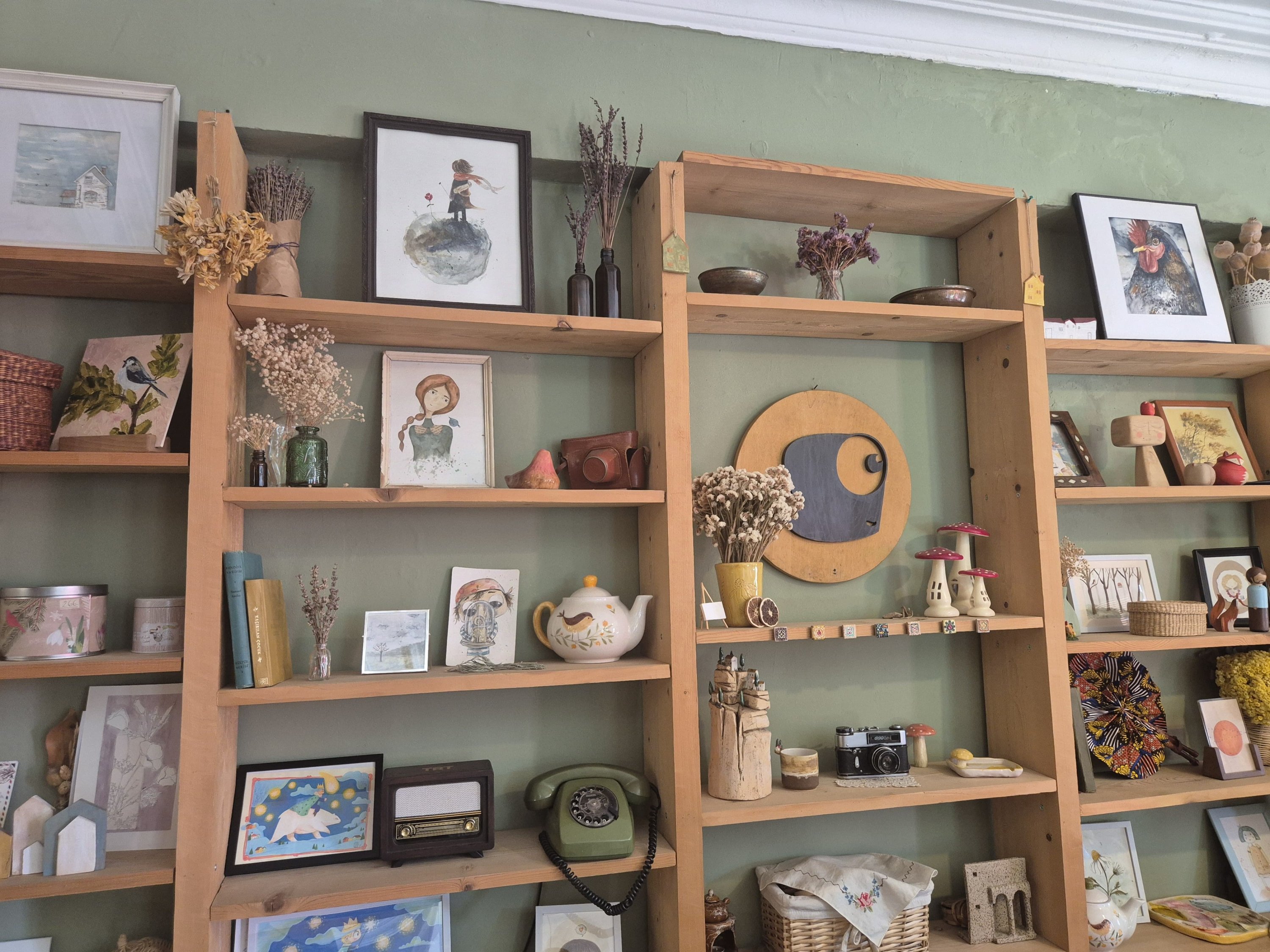
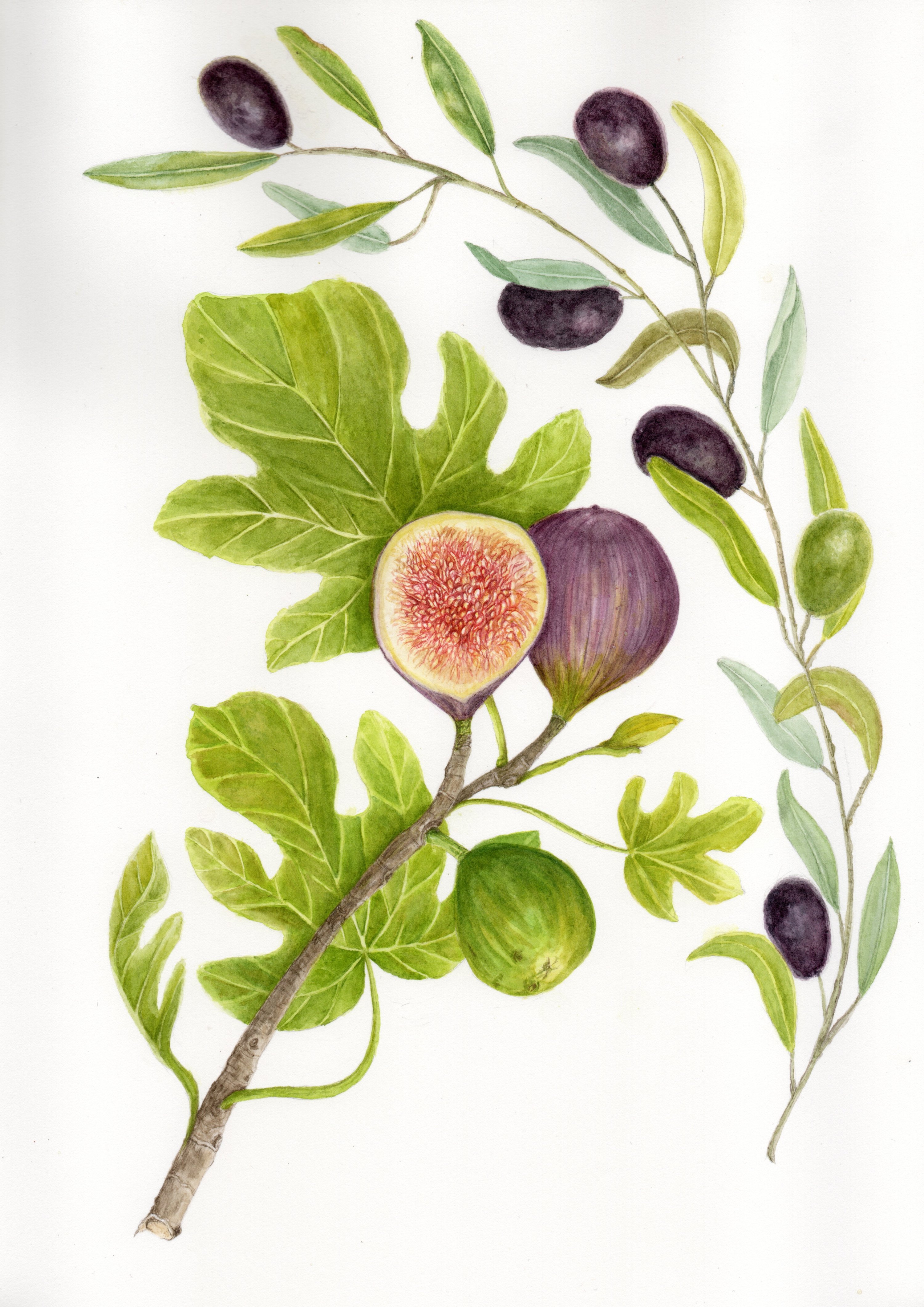
When you step inside, you see sketches on the walls and finished works on crowded tables. The space is not a classroom. It is a place where time moves a little differently. Atölye Balık is a studio where people can learn illustration in various forms, such as watercolor, ink, pencil and scientific botanical drawing. The teaching does not rely on strict rules, but on a more flexible process.
The story of Atölye Balık begins before this space, in a high school classroom in Kartal. Sümeyra and Ahmet Demir met in the painting studio of Kartal Imam Hatip High School. Both of them were already interested in art, but the studio meant different things to each of them. For Sümeyra, it was where she began to take art seriously and found her direction. For Ahmet, the experience was more natural, as he had seen words as images since childhood.
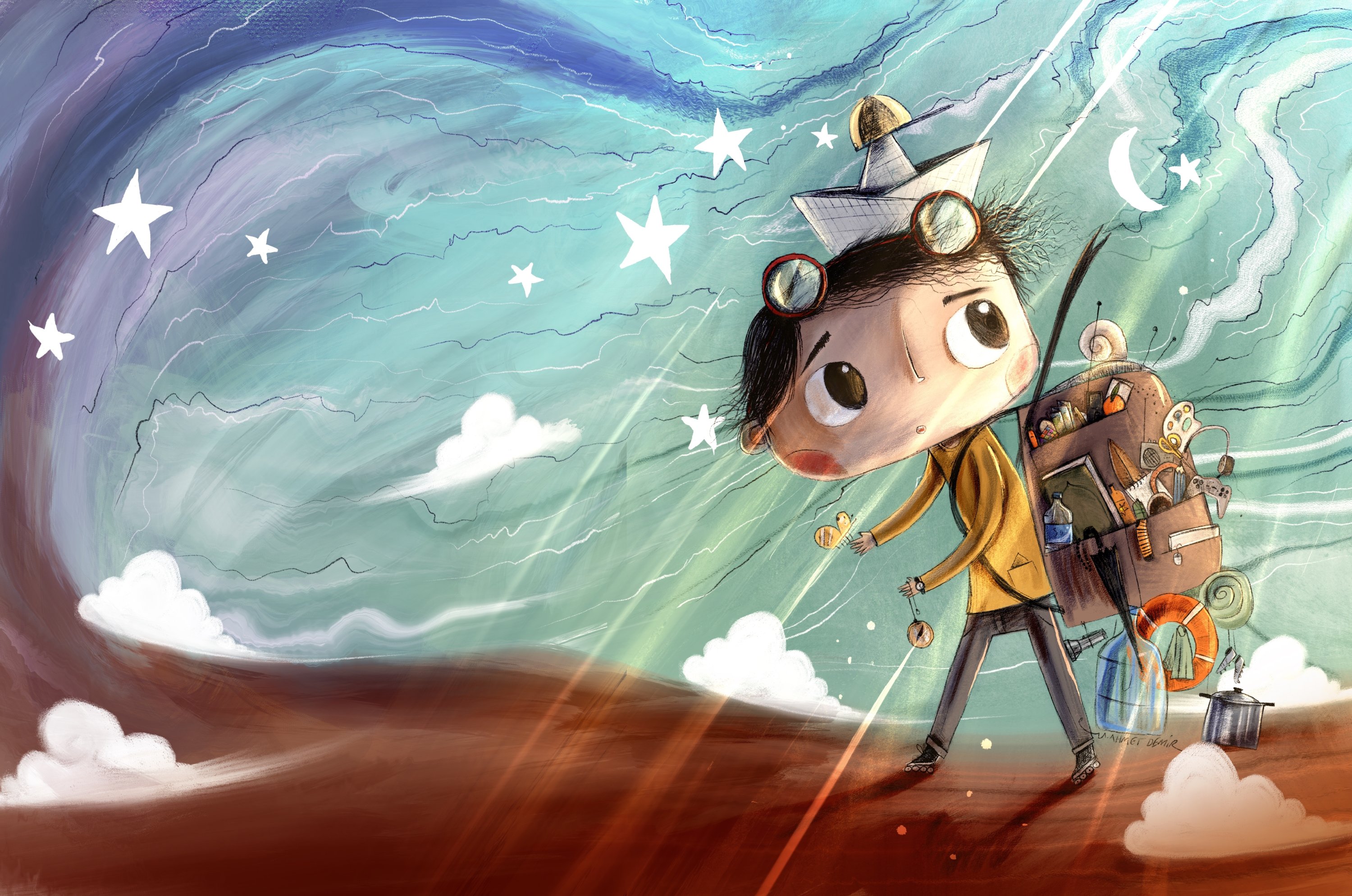
Years later, despite taking different paths, their connection to art never faded. If anything, it grew stronger and eventually they built the studio together. The studio feels like a point where their personal journeys meet. Sümeyra’s path led her to scientific illustration, which she has been practicing for the past four years. Ahmet developed an intuitive approach shaped by his strong visual memory.

Atölye Balık did not start as a deliberate decision, but as a natural process. Sümeyra said: “We did not actually decide to open the studio.” They began by sharing their work on social media, and people started asking if they could learn from them. The requests kept coming, and teaching gradually became part of their practice.
The studio has been in Üsküdar since 2017 and has grown beyond its physical location. Today, it collaborates with institutions and holds illustration workshops in different cities. One of the defining aspects of the studio is its approach to learning: All materials are provided so participants can focus on the process, and guidance is shaped around each individual rather than following a fixed plan.

Sümeyra explains: “Art is not a place for pressure or strict ideas of right and wrong. We try to guide people according to their level.” The studio remains flexible and welcomes people with different motivations. Some come to pursue art seriously, while others simply want to take a break from daily life.
The internal dynamics of the studio are also notable: Ahmet prefers working with children, while Sümeyra focuses on adults. Among children, there is often a tendency toward perfectionism, while adults tend to carry anxiety and a pressure to “get it right.” In the studio, these feelings are gently eased. Mistakes are seen as part of the process.
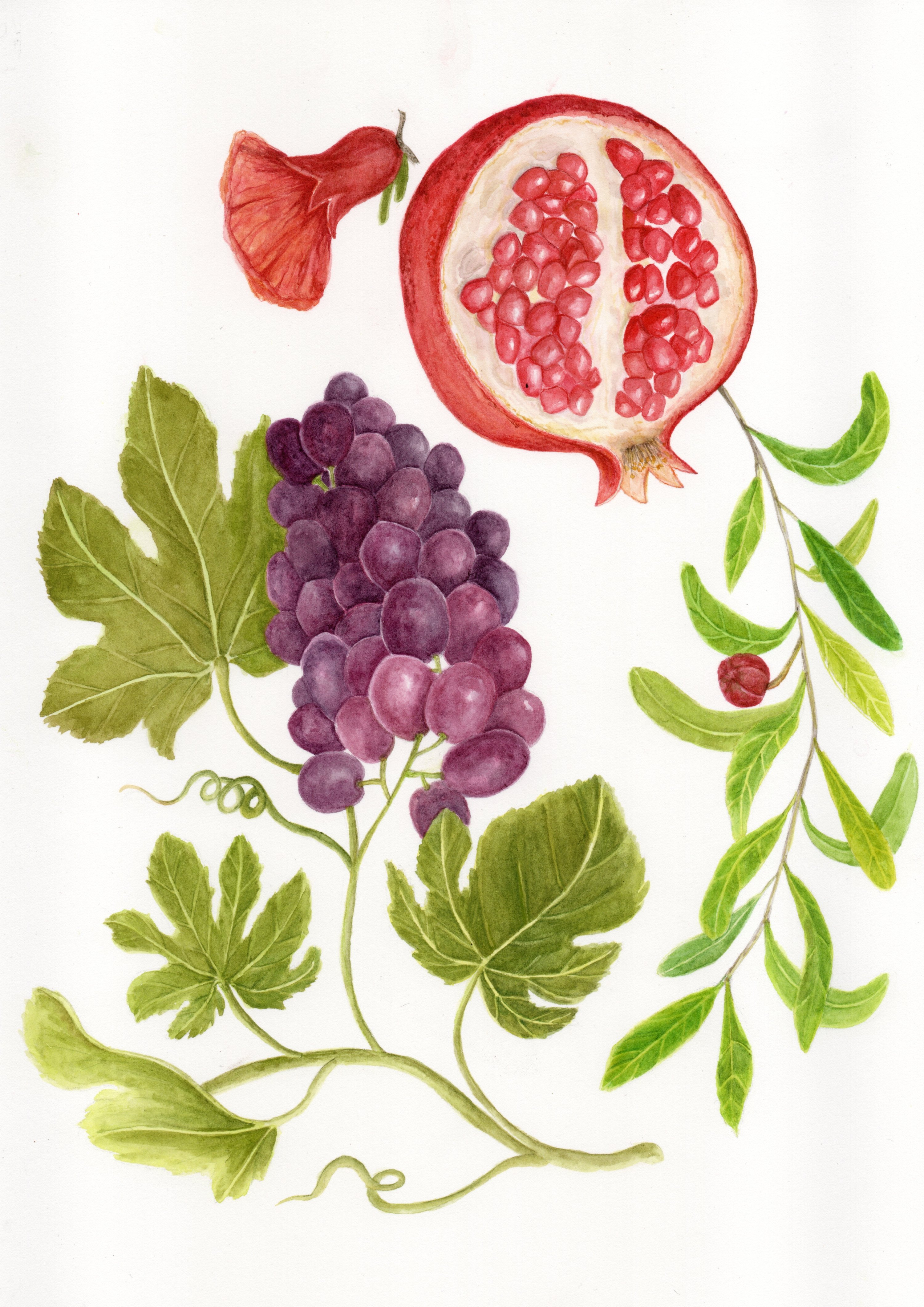
Atölye Balık treats art as a way to express emotions and cultivate flexibility. As Ahmet says, the studio welcomes people “from seven to seventy,” inviting anyone to engage with the process. Sometimes, what emerges in that process goes beyond technique.
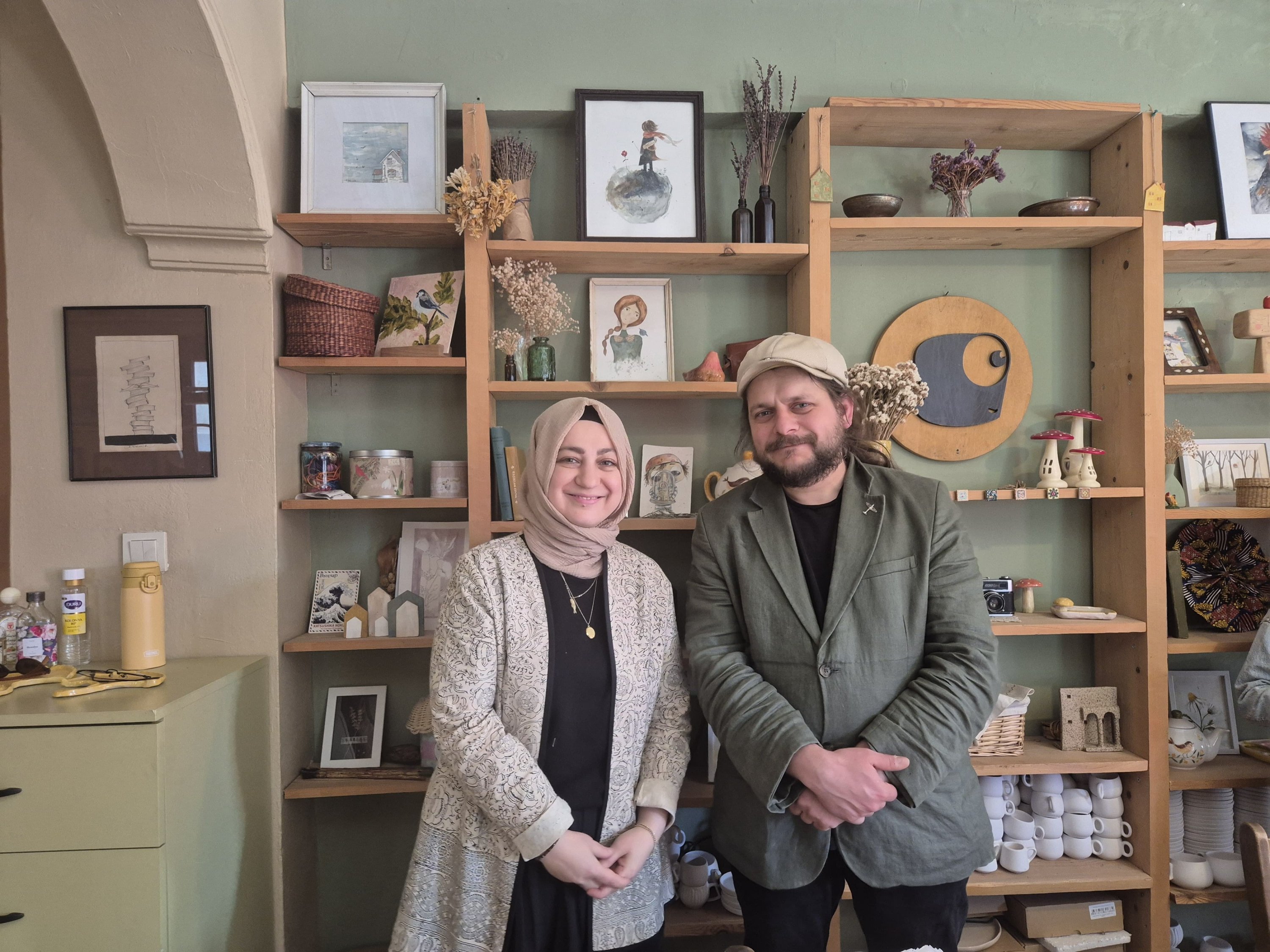
“Sometimes we notice certain differences in children’s drawings,” Ahmet says. “With experience, you start to see it.” In those moments, they reach out to families, aware that these details may not always be visible at home. Some students are later guided toward pedagogical support, while in other cases, the connection comes from outside. “Sometimes even pedagogues we don’t know find the studio, follow our work and send their clients here because they think it will help,” he adds. For him, this points to something simple: art is not only something you learn, but something that can also support and heal.
Sümeyra encounters a different kind of hesitation, especially among adults. Many people, even if they are interested in drawing, step away from it over time.
“Some people think they don’t have talent,” she says. “Or they tried wrong techniques years ago and gave up.” For her, interest itself is already a starting point. “If someone is really interested, I believe they can improve with the right guidance.” Even a small, regular effort matters. “Spending time on it once a week can be enough,” she adds, “just not to stay away from it.”
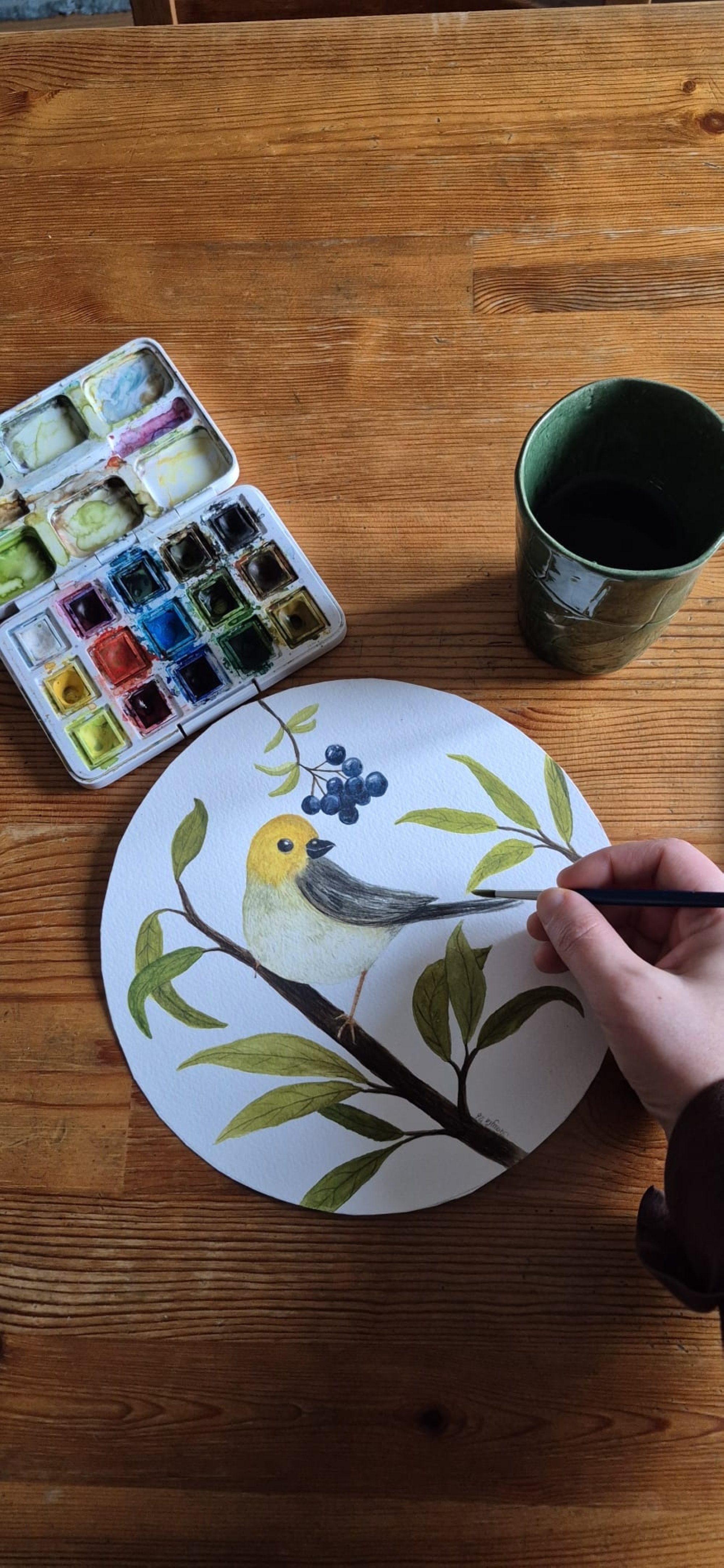
After the Feb. 6, 2023, earthquakes, the studio took on a quieter role, organizing workshops for children affected by the disaster. These workshops aimed to provide both engagement and psychological support, showing how art can help process difficult experiences.
Today, Atölye Balık is a production space that hosts different groups and guides those who want to pursue art seriously. At its core, the studio resists the idea that art is just a hobby. Instead, it becomes a process, less about achieving perfection and more about staying engaged.
DAILYSABAH
هلدینگ کاسپین استانبول | خرید ملک در ترکیه | صرافی معتبر ایرانی در ترکیه | خرید و فروش طلا در ترکیه | مهاجرت به ترکیه | واردات و صادرات در ترکیه | نیازمندیهای ترکیه | اخبار ترکیه | اخبار جهانی | توریست ایران | خدمات توریستی در ایران | تورهای گردشگری ایران | هلدینگ اول | خدمات کاریابی و فریلنسری و شغل | مرجع اطلاعات ایران (همه چیز در ایران) | کیف پول و خدمات مالی و پرداخت یار | اخبار ایران | تابلو زنده قیمت ارز در ترکیه و استانبول | صرافی آنلاین ترکیه | قیمت طلا و نقره در ترکیه | سرمایه گذاری در ترکیه | جواهرات در ترکیه | نرخ لحظه ای ارزها در استانبول | قیمت دلار امروز در ترکیه | قیمت دلار استانبول امروز | قیمت لحظه ای دلار | اخبار روز ترکیه استانبول | اپلیکیشن ISTEX | اپلیکیشن قیمت لحظه ای دلار و یورو و لیر و ارزها در ترکیه
About the Author