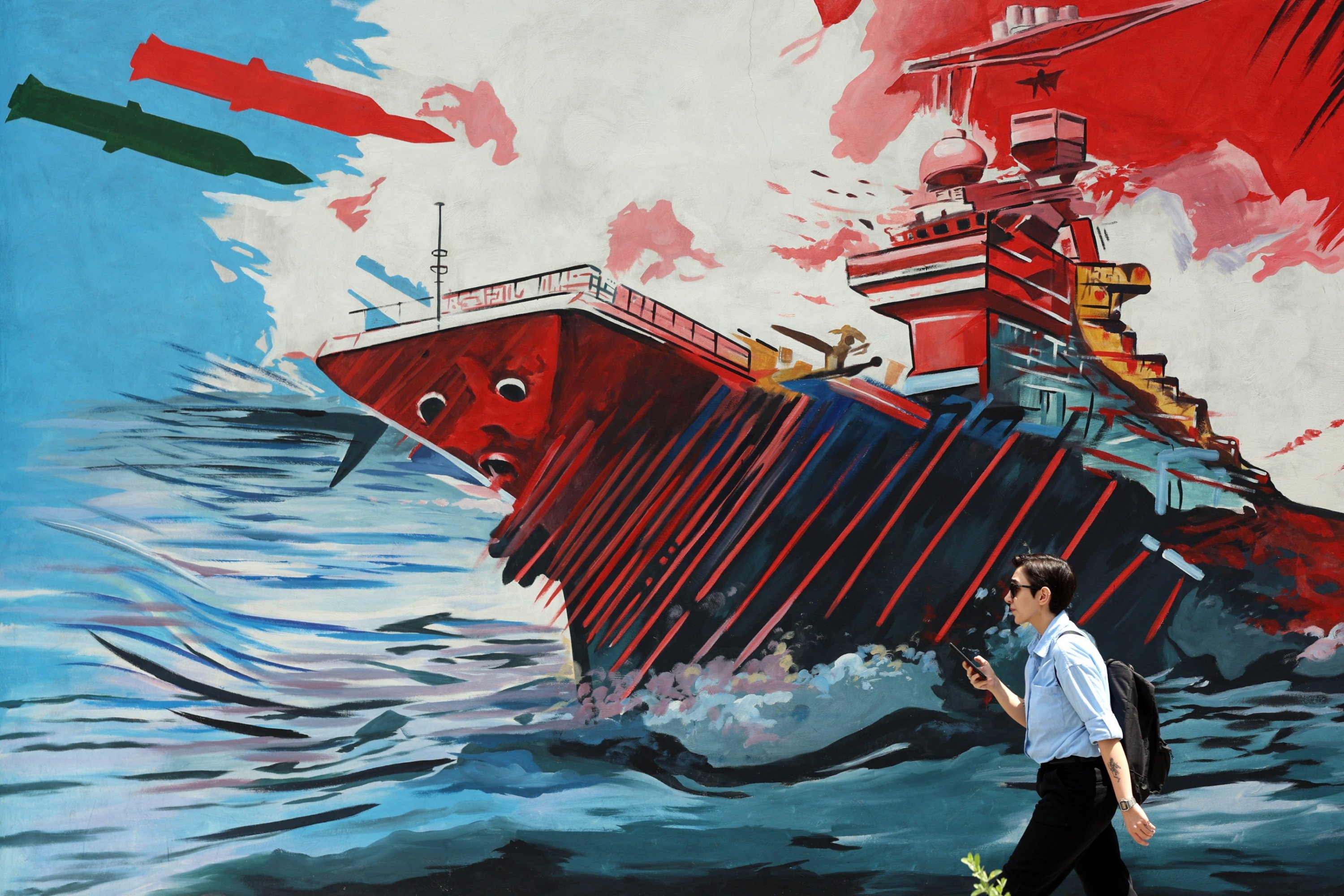
The fragile cease-fire between the United States and Iran wobbled again Friday after fresh clashes erupted in the Gulf, with both sides trading accusations of aggression while fears grew that the conflict could spiral back into a wider regional war.
The latest confrontation unfolded in and around the Strait of Hormuz, the strategic waterway that carries roughly a fifth of the world’s oil and liquefied natural gas shipments, as U.S. and Iranian forces exchanged fire amid renewed diplomatic efforts to salvage peace talks.
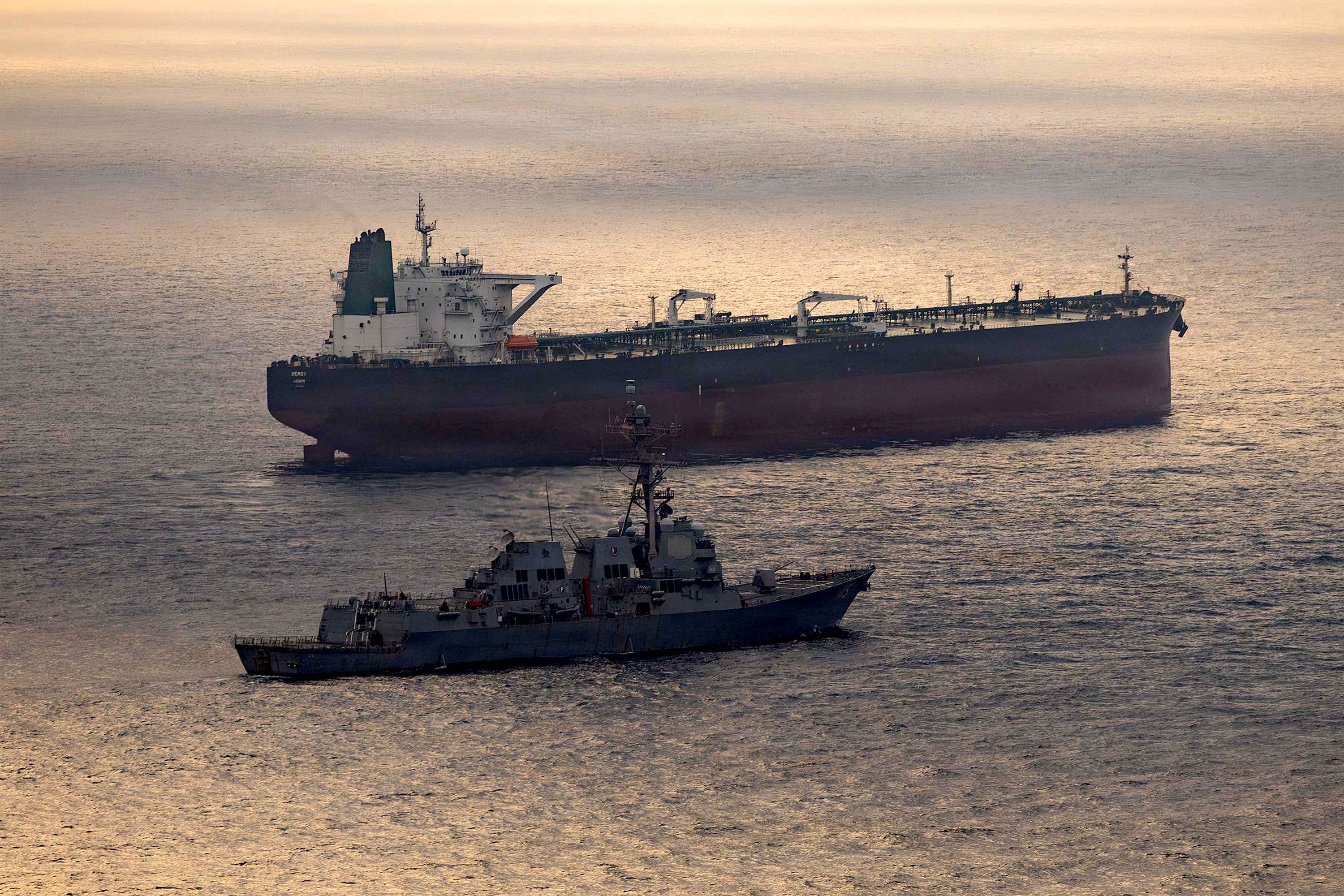
President Donald Trump said three U.S. Navy destroyers came under attack while transiting the strait, though he insisted the month-old cease-fire remained intact.
“Three World Class American Destroyers just transited, very successfully, out of the Strait of Hormuz, under fire,” Trump wrote on Truth Social. “There was no damage done to the three Destroyers, but great damage done to the Iranian attackers.”
Speaking later in Washington, Trump downplayed the clash even as tensions surged across the region.
“They trifled with us today. We blew them away,” he told reporters, later calling the exchange “just a love tap” during a phone interview with ABC News.
U.S. Central Command said Iranian forces launched missiles, drones and fast boats toward American warships overnight, prompting retaliatory strikes against Iranian military facilities believed to be responsible for the attack. The Pentagon said none of the Navy vessels were damaged.
Tehran painted a sharply different picture.
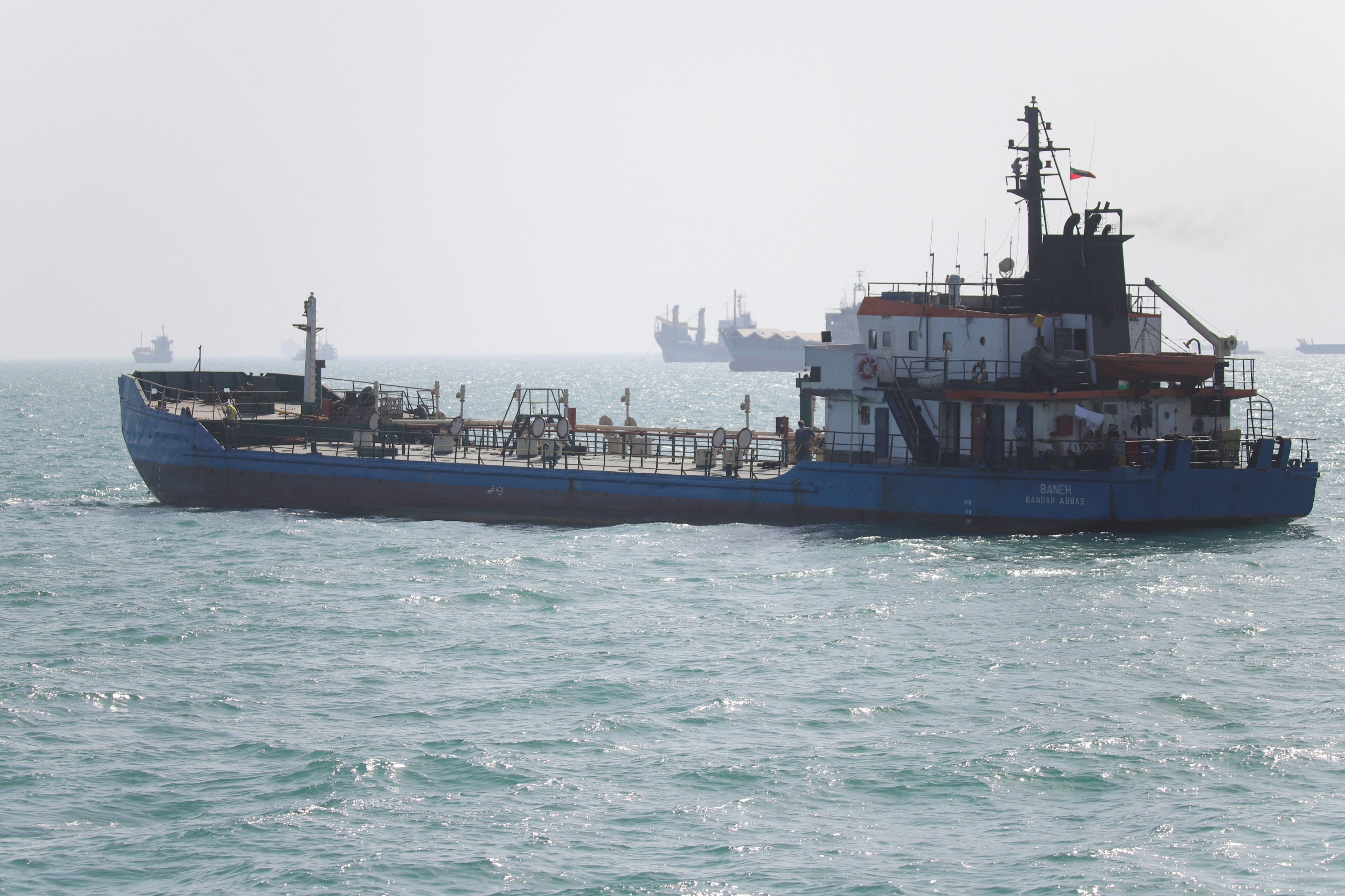
Iran’s Khatam al-Anbiya Central Headquarters accused the United States of violating the cease-fire first by targeting an Iranian oil tanker and civilian areas near Qeshm Island and coastal cities along the Strait of Hormuz.
Iranian commanders said their forces responded by attacking American naval assets east of the strait and south of the port city of Chabahar.
Iranian state media later reported that conditions near the strait had “returned to normal” after hours of heavy exchanges.
The violence also rattled the United Arab Emirates, which said it intercepted incoming missiles and drones in a renewed wave of attacks blamed on Iran.
Emirati authorities reported no casualties or significant damage but warned residents not to approach debris from intercepted projectiles.
The latest flare-up dealt another blow to hopes that Pakistani-mediated negotiations could turn the shaky truce into a permanent settlement after weeks of warfare triggered by joint U.S.-Israeli airstrikes on Iran on Feb. 28.
Washington has been awaiting Tehran’s response to a proposed framework aimed at ending the conflict, though major sticking points remain unresolved, particularly Iran’s nuclear program and restrictions around the Strait of Hormuz.
Trump claimed Iran had effectively accepted Washington’s demand that it never obtain a nuclear weapon, though Tehran has not publicly confirmed such an agreement.
“There’s zero chance,” Trump said. “And they know that, and they’ve agreed to that. Let’s see if they are willing to sign it.”
Iranian officials struck a more cautious tone, saying they were still reviewing the latest U.S. proposal delivered through Pakistan, which has emerged as the key mediator between the two rivals.
Pakistani Prime Minister Shehbaz Sharif said Islamabad remained in “continuous contact” with both sides in an effort to preserve the cease-fire and prevent a return to all-out war.
The clashes sent fresh tremors through global markets.
Brent crude surged back above $100 a barrel in Asian trading Friday as investors worried that renewed fighting could further disrupt oil flows through Hormuz, already heavily restricted since the war began.
Global stock markets, which had rallied earlier in the week on optimism over a diplomatic breakthrough, retreated sharply.
Shipping concerns deepened after reports that Iran had formally established a new authority to regulate and tax vessels seeking passage through the strait, effectively tightening Tehran’s grip over one of the world’s most critical maritime corridors.
According to shipping data firm Lloyd’s List Intelligence, the newly formed Persian Gulf Strait Authority is positioning itself as the sole body authorized to approve commercial transit through the waterway.
Maritime law experts warned the move could violate international law governing freedom of navigation.
The conflict has already trapped hundreds of commercial vessels inside the Gulf and driven energy prices sharply higher worldwide.
In the United States, gasoline prices have climbed more than 40% since late February, rising above $4 per gallon as supply disruptions fueled inflation fears.
The mounting economic pressure has complicated Trump’s political balancing act at home after campaigning on promises to avoid new foreign wars and reduce fuel costs for American consumers.
Meanwhile, the broader regional fallout continued to spread.
Direct talks between Israel and Lebanon are scheduled to resume next week in Washington as diplomats attempt to contain rising tensions involving the Iran-backed militant group Hezbollah.
The talks, expected May 14-15, would mark another attempt to stabilize a region increasingly pulled toward wider confrontation despite multiple cease-fires.
For now, both Washington and Tehran continue walking a narrow line: trading blows at sea while insisting diplomacy remains alive.
DAILYSABAH
هلدینگ کاسپین استانبول | خرید ملک در ترکیه | صرافی معتبر ایرانی در ترکیه | خرید و فروش طلا در ترکیه | مهاجرت به ترکیه | واردات و صادرات در ترکیه | نیازمندیهای ترکیه | اخبار ترکیه | اخبار جهانی | توریست ایران | خدمات توریستی در ایران | تورهای گردشگری ایران | هلدینگ اول | خدمات کاریابی و فریلنسری و شغل | مرجع اطلاعات ایران (همه چیز در ایران) | کیف پول و خدمات مالی و پرداخت یار | اخبار ایران | تابلو زنده قیمت ارز در ترکیه و استانبول | صرافی آنلاین ترکیه | قیمت طلا و نقره در ترکیه | سرمایه گذاری در ترکیه | جواهرات در ترکیه | نرخ لحظه ای ارزها در استانبول | قیمت دلار امروز در ترکیه | قیمت دلار استانبول امروز | قیمت لحظه ای دلار | اخبار روز ترکیه استانبول | اپلیکیشن ISTEX | اپلیکیشن قیمت لحظه ای دلار و یورو و لیر و ارزها در ترکیه
About the Author