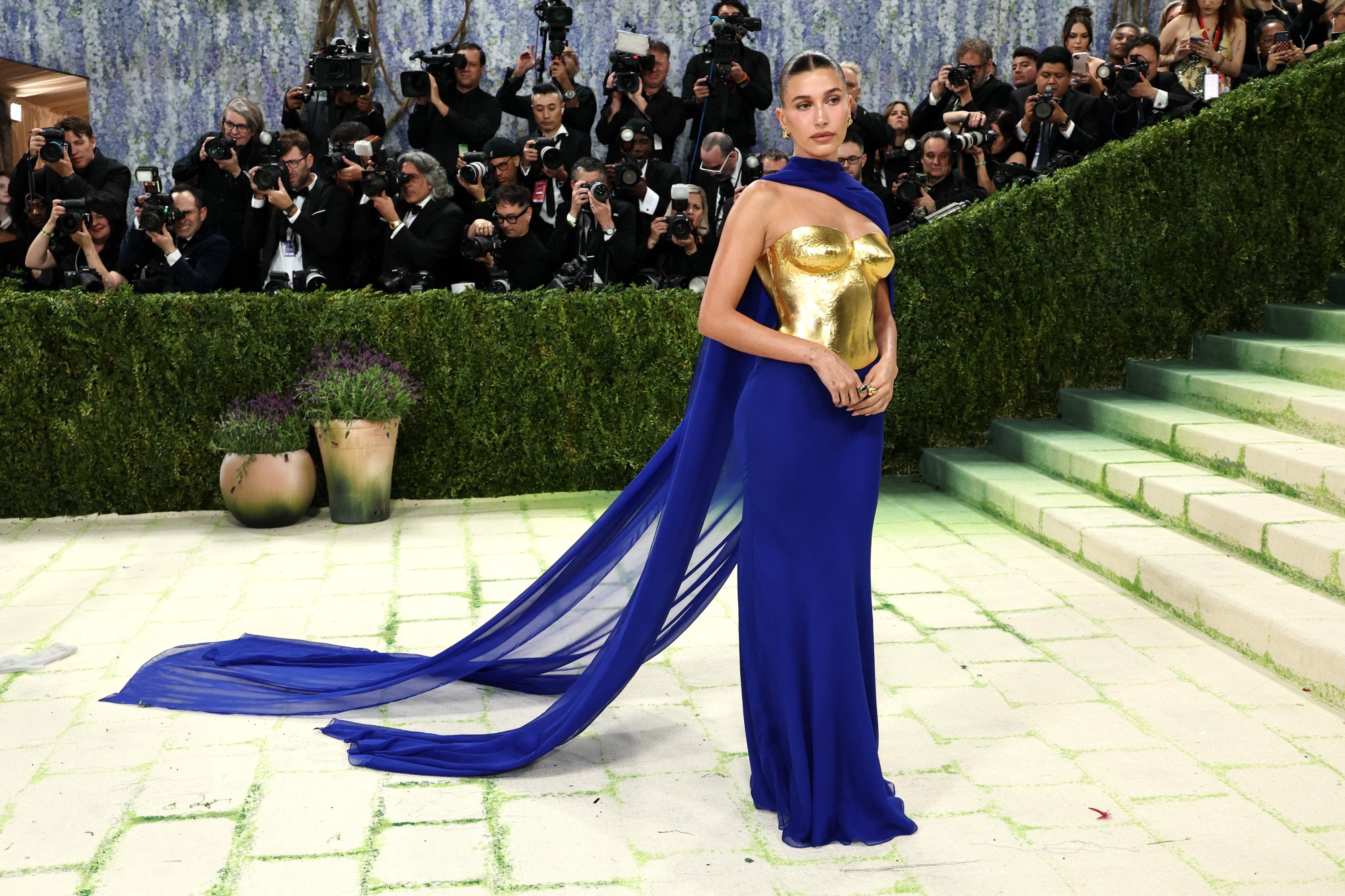
Known as one of fashion’s biggest nights, the Met Gala, a fundraising event for New York’s Metropolitan Museum of Art, has dominated recent fashion discourse.
This year, much of the conversation revolved around the scale of the fundraising, with tables reportedly priced at around $100,000 per seat and a record-breaking total of approximately $42 million raised. The event’s high-profile sponsorship, including the presence of the Bezos couple, also became a major talking point.
The theme, “Fashion is Art,” was widely discussed as well. Many attendees interpreted it literally, appearing in outfits inspired by paintings or classical artworks. However, critics argued that many looks leaned more toward costume than fashion interpretation, sparking debate about whether the theme was fully realized.
Medieval armor to red carpet
Another striking visual motif of the night was armor. Celebrities such as Hailey Bieber and Kim Kardashian appeared in outfits that incorporated armor-like elements – metallic structures, sculptural silhouettes and protective surfaces inspired by medieval knight armor.
Historically, armor was designed for men in battle to protect the body during warfare or tournaments. Yet today, it is women who are redefining it on the red carpet. What was once functional military equipment has been transformed into a fashion language of strength, dominance and control.
This is not limited to the Met Gala. The armor aesthetic has been appearing frequently in recent years, especially in the post-pandemic fashion landscape. One of the most dramatic interpretations was seen on Zendaya during the Dune film premiere, where her look strongly resembled futuristic armor.
Rise of protective aesthetics
The armor trend began gaining visibility around 2020, when designers started exploring protective silhouettes in response to global uncertainty. For example, Tom Ford introduced collections with structured, armored-like designs in its Spring/Summer 2020 line.
The aesthetic evoked imagery similar to Gladiator, particularly the character Maximus, reimagined in a futuristic form. Around the same time, Zendaya wore armor-inspired designs at the Critics’ Choice Awards and Gwyneth Paltrow appeared on the cover of Harper’s Bazaar in similar conceptual styling.
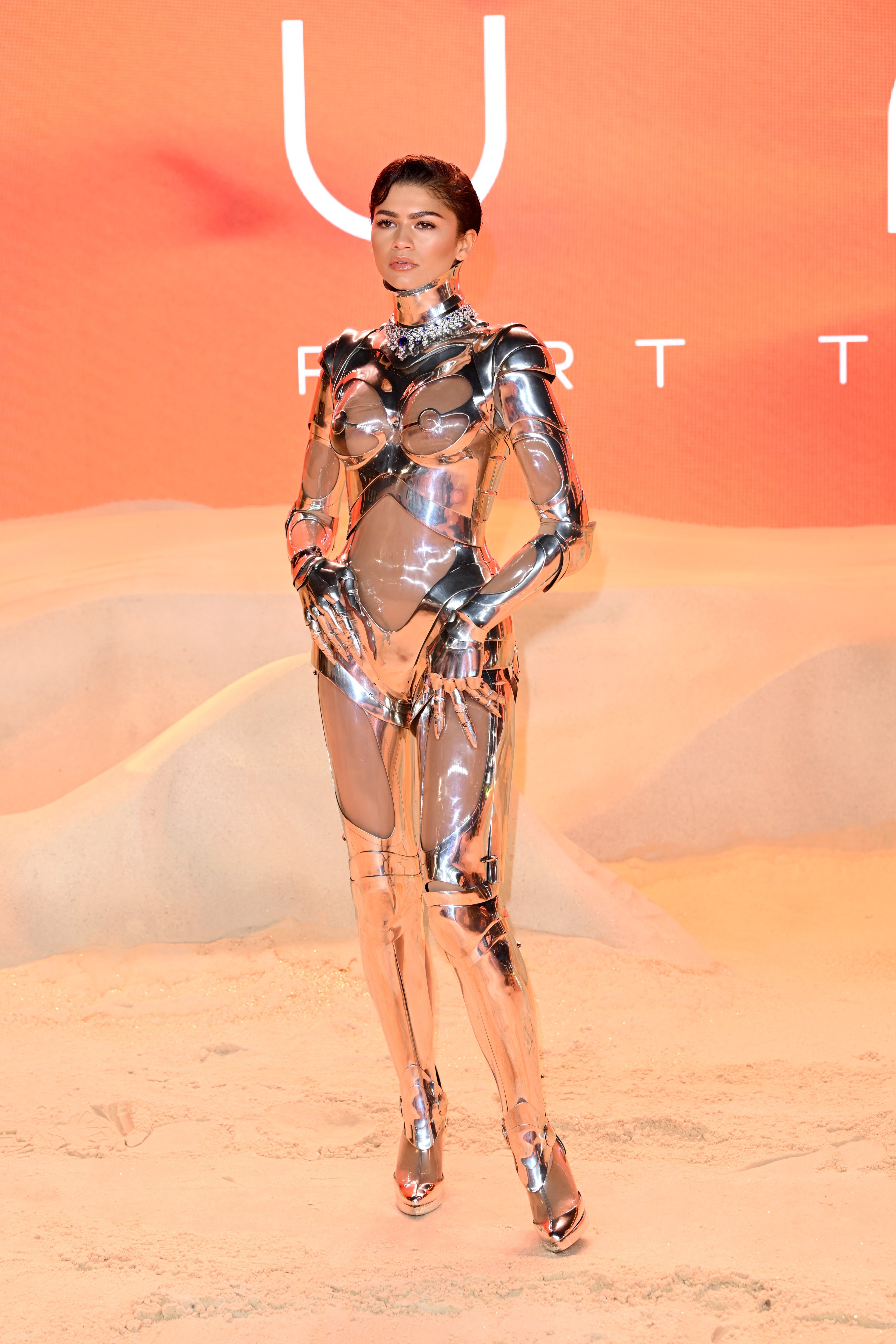
As the world moved beyond the peak of the pandemic, the armor motif did not disappear. Instead, it intensified.
Stronger than ever
In 2024, Chappell Roan performed at the MTV Video Music Awards in a full armor-inspired archer outfit, presenting a theatrical medieval warrior image on stage.
By the 2026 Spring/Summer runway season, armor had become one of the dominant design languages across multiple fashion houses:
- Burberry showcased garments resembling lamellar armor constructed from small diamond-shaped plates.
- Conner Ives presented druid-inspired hooded armor-like garments.
- Alexander McQueen and Stefan Cooke explored chainmail-inspired dresses.
- Chopova Lowena introduced experimental armor-influenced designs.
- Yuhan Wang pushed the concept further with exaggerated chest armor pieces.
- This widespread return of armor aesthetics suggests more than a passing trend; it reflects a cultural mood.
Armor as psychological protection
So why is armor returning to fashion now, especially on women’s bodies?
From a fashion and feminist perspective, armor functions as more than decoration. It becomes a symbolic tool of empowerment, protection, and resistance. In a world shaped by ongoing gender-based violence and social pressure, clothing takes on a political dimension.
The rise of metallic chest plates, structured shoulders, and avant-garde armor-like garments reflects a collective feeling of living in a “state of tension.” At the same time, it offers a way to reclaim control and assert strength.
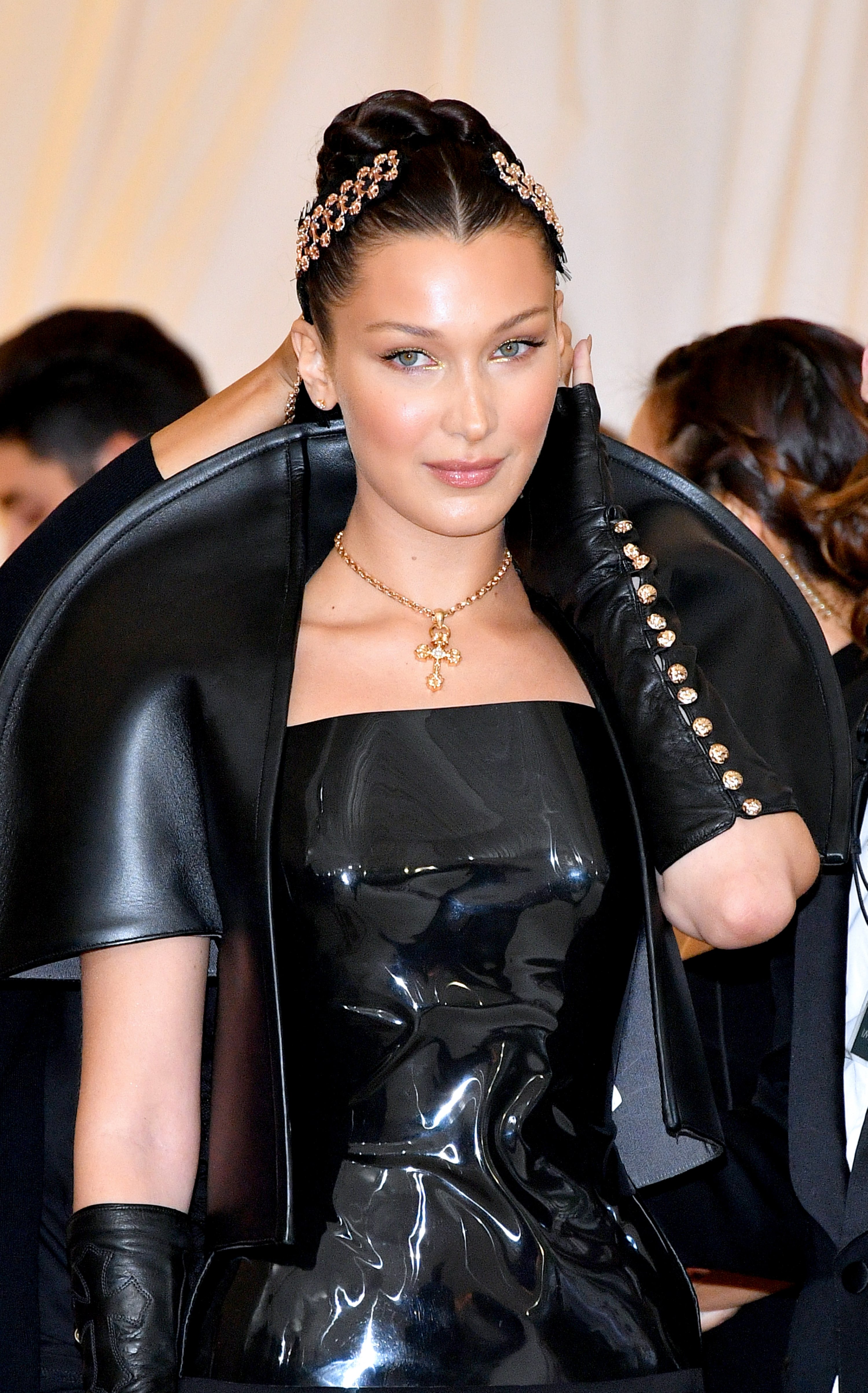
Celebrities such as Cardi B, Bella Hadid and Lorde have also embraced armor-inspired fashion. These looks often serve a dual purpose: projecting power while simultaneously shielding the wearer from public scrutiny in an increasingly judgmental media environment.
Fashion as a modern-day shield
The renewed fascination with medieval armor is not simply nostalgia. It may reflect a deeper psychological need for protection in an unstable world.
In times marked by uncertainty – whether due to pandemics, war, economic instability, or concerns about artificial intelligence and job displacement – fashion increasingly acts as a symbolic shield.
Elegant, sculptural and “armored” clothing gives the wearer a sense of safety and control. It is not just about spectacle or attention. It is about feeling prepared for an unpredictable reality.
In this sense, fashion today does what armor once did in literal battlefields: it protects. And in a modern metaphorical battlefield of social pressure, visibility, and instability, that protection has become both aesthetic and emotional.
DAILYSABAH
هلدینگ کاسپین استانبول | خرید ملک در ترکیه | صرافی معتبر ایرانی در ترکیه | خرید و فروش طلا در ترکیه | مهاجرت به ترکیه | واردات و صادرات در ترکیه | نیازمندیهای ترکیه | اخبار ترکیه | اخبار جهانی | توریست ایران | خدمات توریستی در ایران | تورهای گردشگری ایران | هلدینگ اول | خدمات کاریابی و فریلنسری و شغل | مرجع اطلاعات ایران (همه چیز در ایران) | کیف پول و خدمات مالی و پرداخت یار | اخبار ایران | تابلو زنده قیمت ارز در ترکیه و استانبول | صرافی آنلاین ترکیه | قیمت طلا و نقره در ترکیه | سرمایه گذاری در ترکیه | جواهرات در ترکیه | نرخ لحظه ای ارزها در استانبول | قیمت دلار امروز در ترکیه | قیمت دلار استانبول امروز | قیمت لحظه ای دلار | اخبار روز ترکیه استانبول | اپلیکیشن ISTEX | اپلیکیشن قیمت لحظه ای دلار و یورو و لیر و ارزها در ترکیه
About the Author


