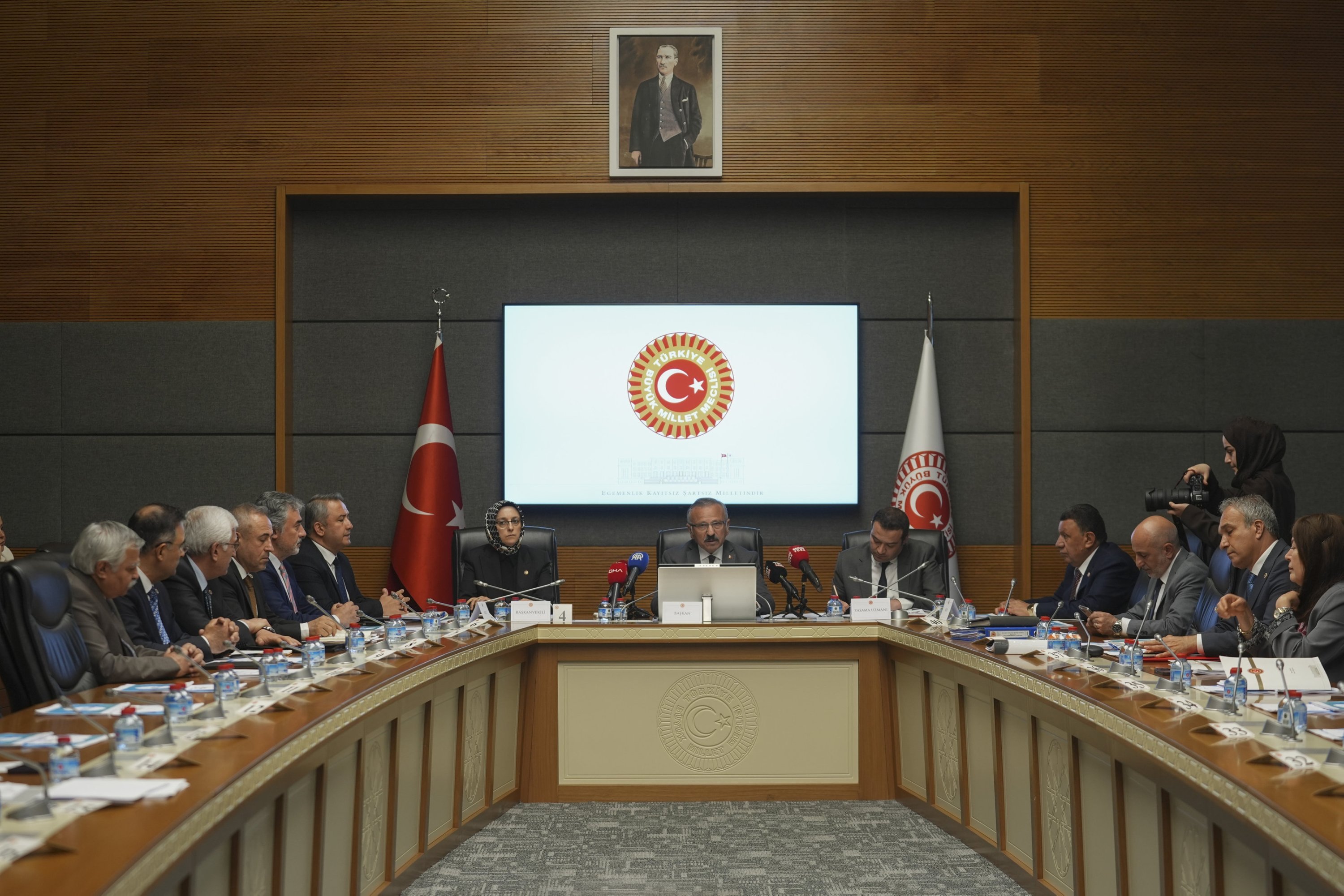
Türkiye’s parliamentary commission investigating the causes of school attacks heard testimony from academics on psychological counseling, guidance services and radicalization, with experts warning that digital environments are increasingly fueling violent behavior among children.
Speaking before the commission, Prof. Hilmi Demir of TOBB University of Economics and Technology said recent school attacks in the provinces of Kahramanmaraş and Şanlıurfa reflected patterns associated with online radicalization rather than isolated acts of violence.
Demir said some perpetrators displayed deep hostility toward society and left behind manifestos outlining ideological motivations, a phenomenon he described as increasingly visible in Türkiye.
He argued that digital platforms can expose minors to communities that normalize violence, cruelty and extremist narratives.
According to Demir, children in such online networks may reinforce one another’s behavior through competition, notoriety and imitation rather than direct coordination.
He said perpetrators often reveal intentions or discuss plans online before carrying out attacks, adding that recognizing warning signs and digital symbols requires specialized expertise.
Demir described the phenomenon as a form of organized radicalization expressed through individual acts and called for greater institutional capacity to monitor and understand emerging online threats.
Prof. Galip Yüksel of Gazi University’s Faculty of Education told lawmakers that young people who commit school attacks are often overlooked by peers and may seek recognition through antisocial behavior.
Yüksel said guidance and psychological counseling services should play a stronger role in schools, beginning in preschool and continuing through grade 12, with greater emphasis on social-emotional, academic and career development.
Commission Chair Yusuf Beyazıt said lawmakers visited Kahramanmaraş last week and would continue gathering testimony from public institutions, affected families, school administrators and teachers regarding incidents in two schools.
The commission later voted to conduct additional visits to Kahramanmaraş and Şanlıurfa between June 12 and June 15.