Home – CBSNews.com
MoneyWatch: Managing Your Money
Add CBS News on Google
Steve Dunning/Getty Images
As the economic pressures stack up, the hurdles are continuing to strain household budgets, adding extra financial pressure to what was, for many, an already tough situation. And, while most people are feeling at least some increased financial stress, that’s true for many older Americans, in particular. Part of the issue is that today’s higher everyday costs, elevated interest rates, rising inflation and growing healthcare expenses have left a growing number of retirees relying on credit cards to bridge financial gaps — sometimes long after they expected to stop carrying debt altogether.
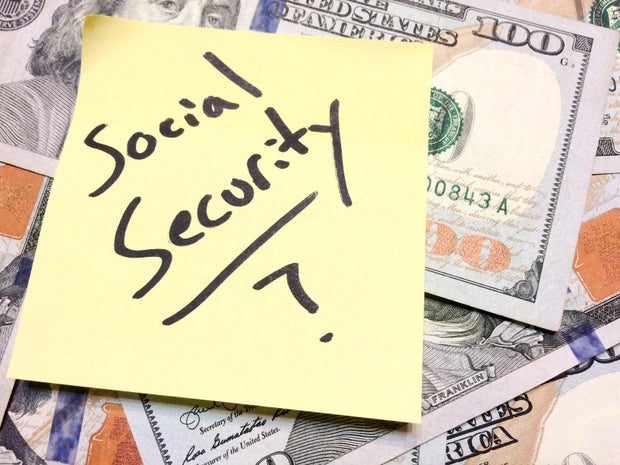
That growing reliance on borrowed money is creating new concerns for people who depend heavily on Social Security income to cover their expenses in retirement. After all, when your monthly benefit check covers most or all of your essentials but leaves little room for extras, the idea of falling behind and allowing creditors to access that money via a bank levy or wage garnishment can be alarming. And for borrowers already behind on payments or facing collection calls, the uncertainty about what creditors can legally do only adds to the stress.
But while credit card debt can create financial complications for Social Security recipients, federal protections also help shield benefits from private creditors in some cases. In others, though, the situation can become more complicated.
Find out how you can get rid of your credit card debt for less today.
Can credit card debt affect your Social Security benefits?
Carrying unpaid credit card debt in retirement will typically not open the door to your creditors directly garnishing your Social Security retirement or disability benefits. That’s because federal law generally protects Social Security benefits from garnishment by private creditors, including credit card companies and debt collectors.
Unlike certain government-related debts — such as unpaid federal taxes, federal student loans or child support obligations — ordinary credit card debt does not usually qualify for direct Social Security garnishment. What that means is a credit card issuer typically cannot just contact the Social Security Administration and request a portion of your monthly benefit payment to satisfy unpaid balances. However, that doesn’t mean your benefits are entirely insulated from credit card debt problems. Here’s why:
Debt lawsuits can still create complications
If you stop making payments on your credit cards for an extended period, the creditor may eventually sue you for the unpaid debt. And if the creditor wins a judgment against you in court, it may gain access to certain collection tools that can indirectly affect your finances.
For example, creditors may attempt to levy or freeze the money in your bank account. While federal banking rules require banks to protect up to two months’ worth of directly deposited Social Security benefits in many situations, amounts above those protected limits may be vulnerable depending on the circumstances. If you mix Social Security funds with non-protected income, it can also create complications. That’s why experts often recommend keeping Social Security benefits in a dedicated bank account when possible.
Learn more about the debt relief options you qualify for now.
Your credit and budget can still suffer
While your benefits themselves are protected, unpaid credit card debt can still create major financial problems. Missed payments can damage your credit score, increase your borrowing costs and make it harder to qualify for financing, housing or favorable loan terms later.
Collection activity can also create ongoing financial pressure through phone calls, letters and legal notices. And while creditors generally cannot garnish Social Security benefits for standard credit card debt, they may still be able to pursue other assets depending on your state laws and financial situation.
What to do if credit card debt is straining your fixed income
If you’re retired or approaching retirement and are still carrying significant credit card balances, the realistic risk isn’t a reduced Social Security check — it’s that debt steadily eroding the financial stability those benefits are meant to provide. High interest charges, minimum payments that barely dent principal and other costs, like those tied to late payments and penalty APRs, can consume a fixed income quickly.
Luckily, there are debt relief options that can offer a real path out. Debt settlement, for example, lets you negotiate with your creditors to resolve an account for less than the full balance owed — an approach that tends to work best when accounts are already delinquent and creditors have reason to accept less than the full amount.
Debt management, which is typically offered through credit counseling agencies, takes a more structured route. With this approach, a credit counselor negotiates lower interest rates and fees with your creditors and consolidates your payments into a single monthly amount.
Or, for those facing insurmountable balances, filing for Chapter 7 or Chapter 13 bankruptcy could be a better route. This approach provides legal protection from collection activity and may discharge credit card debt entirely, depending on the chapter filed and your financial circumstances.
Each option carries trade-offs, of course, and none is universally right. But for retirees on fixed incomes, carrying high-rate credit card debt indefinitely is frequently the most expensive choice of all.
The bottom line
Credit card debt cannot directly reduce or garnish your Social Security benefits. Federal law blocks private creditors from reaching those payments. But that protection has real limits, particularly once your benefits are deposited into a bank account that can be frozen or contested. If credit card debt is putting pressure on a fixed income, exploring relief options — including settlement, a debt management plan or bankruptcy — sooner rather than later may be worth the conversation.
wp:paragraph
هلدینگ کاسپین استانبول | خرید ملک در ترکیه | صرافی معتبر ایرانی در ترکیه | خرید و فروش طلا در ترکیه | مهاجرت به ترکیه | واردات و صادرات در ترکیه | نیازمندیهای ترکیه | اخبار ترکیه | اخبار جهانی | توریست ایران | خدمات توریستی در ایران | تورهای گردشگری ایران | هلدینگ اول | خدمات کاریابی و فریلنسری و شغل | مرجع اطلاعات ایران (همه چیز در ایران) | کیف پول و خدمات مالی و پرداخت یار | اخبار ایران | تابلو زنده قیمت ارز در ترکیه و استانبول | صرافی آنلاین ترکیه | قیمت طلا و نقره در ترکیه | سرمایه گذاری در ترکیه | جواهرات در ترکیه | نرخ لحظه ای ارزها در استانبول | قیمت دلار امروز در ترکیه | قیمت دلار استانبول امروز | قیمت لحظه ای دلار | اخبار روز ترکیه استانبول | اپلیکیشن ISTEX | اپلیکیشن قیمت لحظه ای دلار و یورو و لیر و ارزها در ترکیه
/wp:paragraph wp:paragraph /wp:paragraph
About the Author