With the 2026 FIFA World Cup nearing kickoff, FIFA has confirmed the full list of Team Base Camps that will anchor national squads across the United States, Mexico and Canada during the tournament’s expanded 48-team edition.
The month-long competition, running June 11 to July 19, 2026, will feature 104 matches across 16 host cities in what is set to be the largest World Cup in history.
Each team will operate from a designated base camp, a central hub for training, recovery and tactical preparation between group-stage fixtures and beyond.
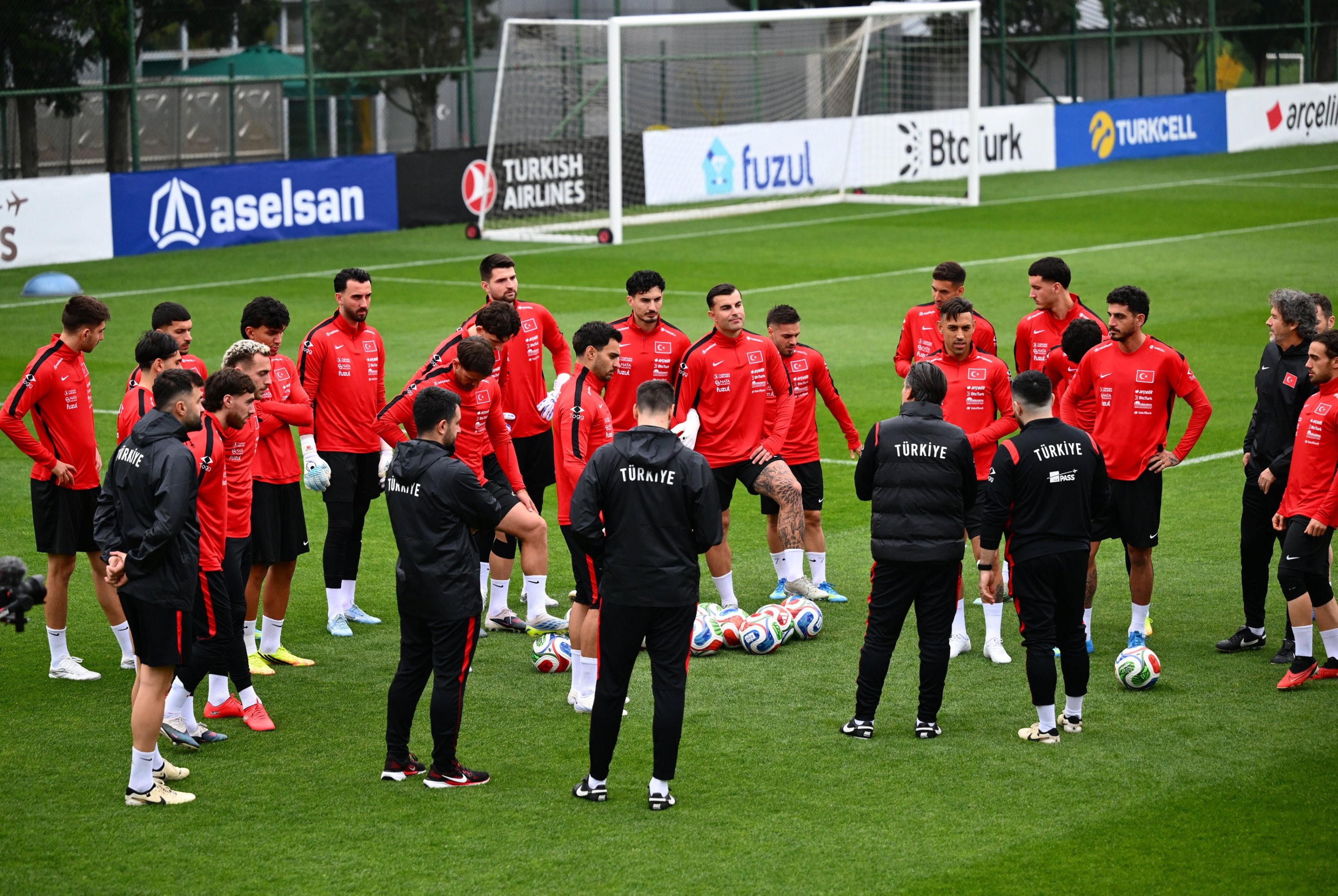
Türkiye settle in Arizona
Türkiye’s Crescent-Stars will be based at the Arizona Athletic Grounds in Mesa, Arizona, a 275-acre multi-sport complex designed to meet elite international standards.
The facility offers multiple high-quality pitches, recovery infrastructure and controlled training environments, giving Türkiye a stable base in the U.S. Southwest.
The squad is expected to arrive around June 7, with a planned community engagement event scheduled for June 8.
Placed in Group D alongside the United States men’s national soccer team, Paraguay and Australia, Türkiye faces a demanding group spread across venues in the United States and Canada, requiring calculated travel between matches and return sessions in Arizona.
Base camp strategy
The allocation of camps reflects both competitive and logistical planning.
Most teams opted to stay within the United States, while seven selected Mexico, including Colombia, Iran, South Korea, Mexico, South Africa, Tunisia and Uruguay.
Canada will host only Canada and Panama.
The choices were driven by training quality, travel efficiency, climate conditions and proximity to match venues, all factors that can shape recovery and performance across a compressed tournament schedule.
Why base camps matter
In modern World Cup planning, base camps function as more than training grounds.
They shape daily rhythm, recovery cycles and match readiness.
Access to elite pitches, medical facilities and manageable travel routes can influence performance just as much as tactics on the pitch.
For Türkiye, the Mesa setup offers a controlled environment with strong regional connectivity, allowing movement to West Coast, Midwest and Canadian venues without losing a consistent training home.