Iran said Thursday that it had targeted a U.S. air base in response to new U.S. military attacks in the south of the country, raising new doubts about a deal to end the war and reopen the crucial Strait of Hormuz.
The exchange, which appeared to draw in U.S. ally Kuwait, was the second military clash in days and the most significant since the ceasefire between Washington and Tehran came into effect last month.
The escalation came hours after President Donald Trump signaled that an agreement between the two sides wasn’t close, and that he would not be rushed by the economic pressure of Iran’s chokehold on the key trade route or the political pressure of upcoming midterm elections.
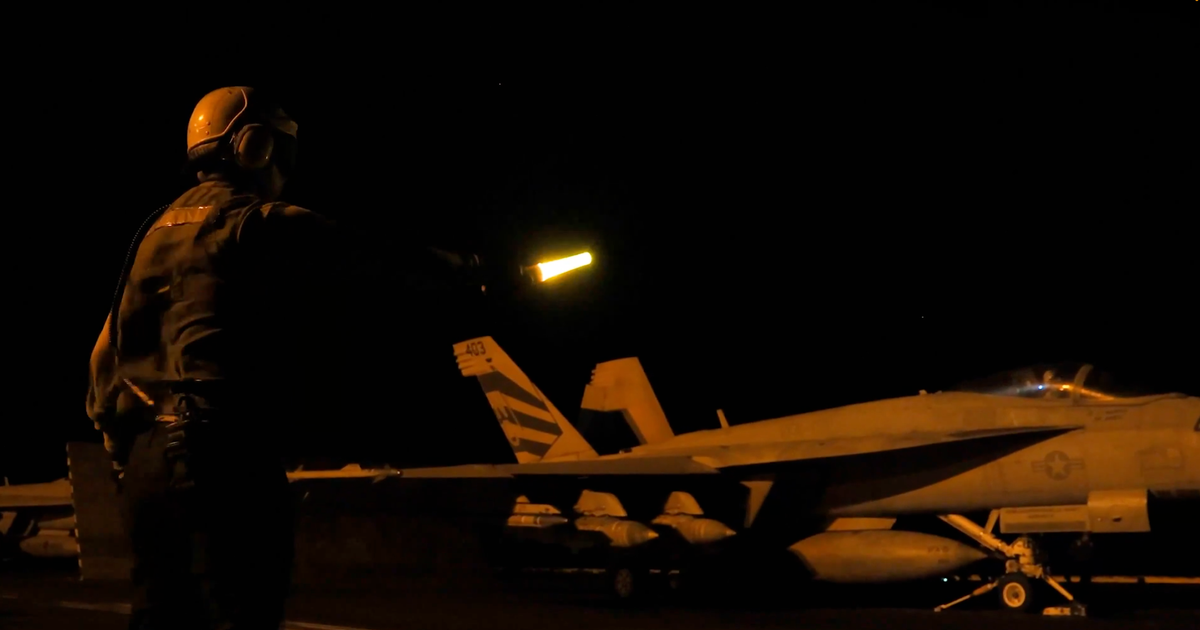
The new military clash began Wednesday when the U.S. shot down four Iranian one-way attack drones and struck a ground control station inside Iran that the military assessed as presenting a direct threat to U.S. forces and commercial shipping, a U.S. official said.
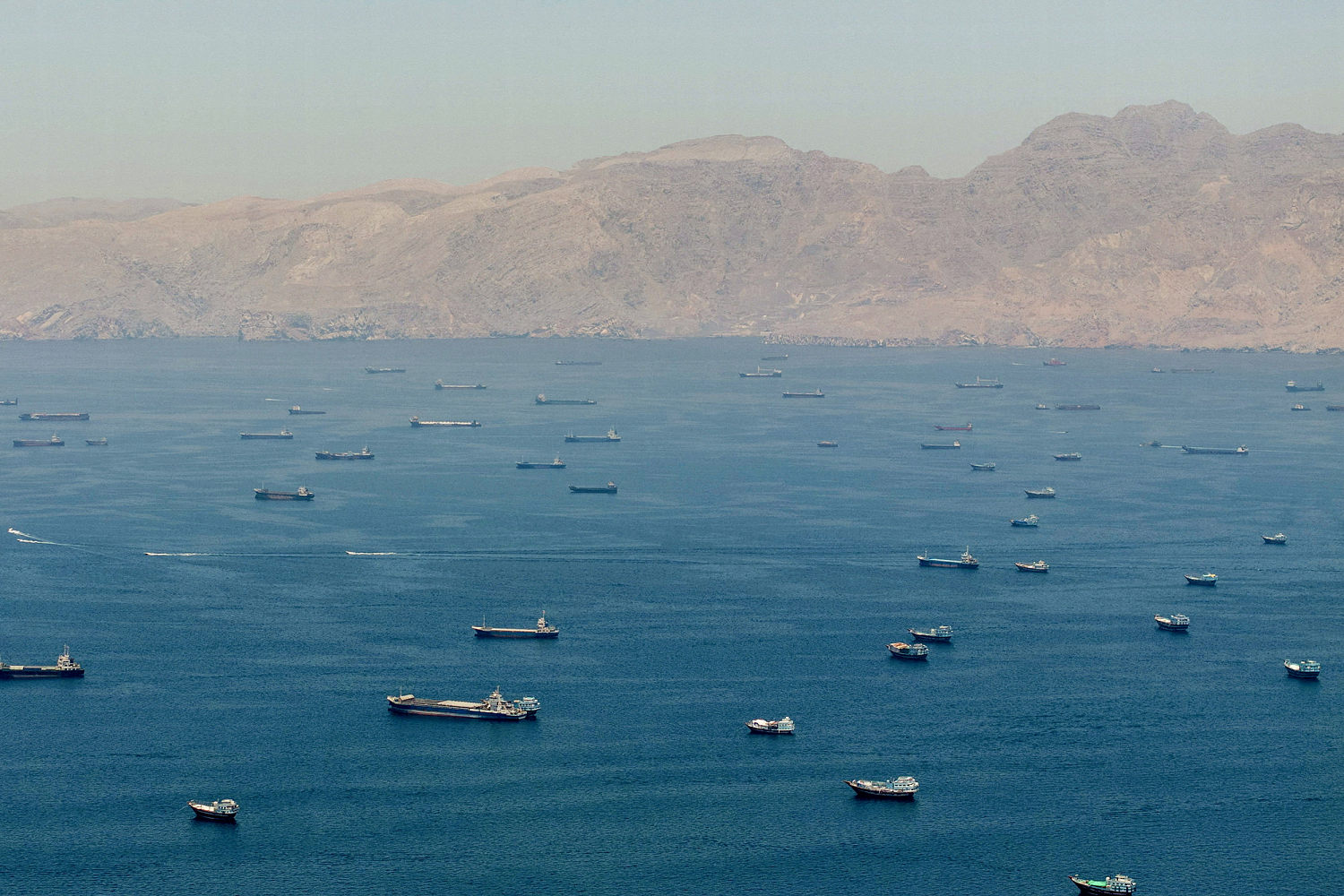
The strikes took place in the vicinity of Bandar Abbas, a port city near the Strait of Hormuz, both the U.S. official and Iranian media reported. Several American ships had attempted to pass through the strait without authorization, Iranian news agencies reported.
It was the second time in three days the U.S. has carried out what it described as defensive strikes against Iran.
The U.S. official said Wednesday’s attacks were limited and did not represent a resumption of major combat operations, adding that the Iranian drones presented a threat to U.S. forces near the waterway and to commercial shipping that was transiting the area. The ground control station was targeted because a fifth drone was about to launch from there, the official said.
Having vowed retaliation earlier this week, Iran’s powerful Revolutionary Guard (IRGC) said that “the U.S. air base identified as the source of the attack was targeted” at 4:50 a.m. local time (9:20 p.m. ET Wednesday), according to a statement carried by Iranian news agencies. It did not say where the U.S. air base was.
There was no immediate confirmation from the U.S. of an attack on one of its military bases. But the report came as the Kuwaiti army said that its air defenses were responding to “hostile missile and drone threats” and that any sounds of explosions were the result of attacks being intercepted.
Kuwait hosts a U.S. air base that Iran and its proxies have previously targeted in the 3-month-old war.
The IRGC warned Thursday that any further U.S. attacks would bring a “more decisive” response and that Washington would bear responsibility for the consequences.
At a Cabinet meeting earlier Wednesday, Trump said no one was going to be allowed to control the Strait of Hormuz, through which some 20% of the world’s oil flowed before the war.
“The strait is going to be open to everybody,” he said, adding, “Nobody is going to control it.”
The disruption has threatened global supplies of food and energy, with oil prices jumping around 3% following the escalation in hostilities after having fallen on hopes of a peace deal.
Talks mediated by Pakistan and Qatar appeared close to a deal over the weekend but now again seem mired in disagreements.
Iranian state TV reported a day earlier what it said was a preliminary “unofficial” memorandum-of-understanding framework with the U.S.
It said the U.S. had promised to withdraw its forces from areas surrounding Iran and lift its naval blockade in exchange for Tehran restoring the number of ships passing through the waterway to prewar levels within a month.
The White House vigorously rejected the report, and Trump said later that Iran was “negotiating on fumes.”
Trump said at the Cabinet meeting that Iran “thought they were going to outwait me — ‘We’ll outwait him, he’s got the midterms,’ — I don’t care about the midterms.”
He said that “they want very much to make a deal,” adding, “So far, they haven’t gotten there. We’re not satisfied with it, but we will be — either that or we’ll have to just finish the job.”
Late Wednesday, the Trump administration also said it was imposing sanctions on a new agency Iran announced this month, the Persian Gulf Strait Authority, which aims to approve the transiting of ships through the strait and charge them tolls as high as $2 million each.
“The Iranian military’s latest attempt to extort global maritime trade is proof that Economic Fury has left the regime desperate for cash,” Treasury Secretary Scott Bessent said in a statement, referring to a U.S. economic pressure campaign against Iran.
Another key sticking point has been the release of frozen Iranian funds, which the deputy head of Iran’s Supreme National Security Council highlighted again Thursday.
“We are seeking the release of all Iranian assets frozen by America and this is the legitimate right of the Iranian people,” Ali Bagheri said, according to the semiofficial Tasnim news agency. “Iran’s assets must be fully returned to Iran without any conditions.”
NBC News Top Stories wp:paragraph
هلدینگ کاسپین استانبول | خرید ملک در ترکیه | صرافی معتبر ایرانی در ترکیه | خرید و فروش طلا در ترکیه | مهاجرت به ترکیه | واردات و صادرات در ترکیه | نیازمندیهای ترکیه | اخبار ترکیه | اخبار جهانی | توریست ایران | خدمات توریستی در ایران | تورهای گردشگری ایران | هلدینگ اول | خدمات کاریابی و فریلنسری و شغل | مرجع اطلاعات ایران (همه چیز در ایران) | کیف پول و خدمات مالی و پرداخت یار | اخبار ایران | تابلو زنده قیمت ارز در ترکیه و استانبول | صرافی آنلاین ترکیه | قیمت طلا و نقره در ترکیه | سرمایه گذاری در ترکیه | جواهرات در ترکیه | نرخ لحظه ای ارزها در استانبول | قیمت دلار امروز در ترکیه | قیمت دلار استانبول امروز | قیمت لحظه ای دلار | اخبار روز ترکیه استانبول | اپلیکیشن ISTEX | اپلیکیشن قیمت لحظه ای دلار و یورو و لیر و ارزها در ترکیه
About the Author