The 2026 FIFA World Cup across Canada, Mexico and the United States is not only the first edition expanded to 48 teams. It is also becoming a defining tournament for coaching globalization, where national identity and foreign expertise collide on an unprecedented scale.
Out of 48 teams, 28 are led by foreign head coaches while 20 rely on domestic managers. The balance reflects a clear shift in international football, where federations are increasingly outsourcing leadership to experienced tacticians who have proven themselves in different systems, leagues and tournament environments.
Argentine influence sets the standard
No nation shapes the coaching landscape more than Argentina. World champion manager Lionel Scaloni continues to lead Argentina, but the country’s influence extends far beyond its borders.
Marcelo Bielsa brings his high-intensity philosophy to Uruguay, while Nestor Lorenzo oversees Colombia’s structured rebuild. Sebastián Beccacece is guiding Ecuador’s tactical evolution, Gustavo Alfaro is in charge of Paraguay, and Mauricio Pochettino leads the United States.
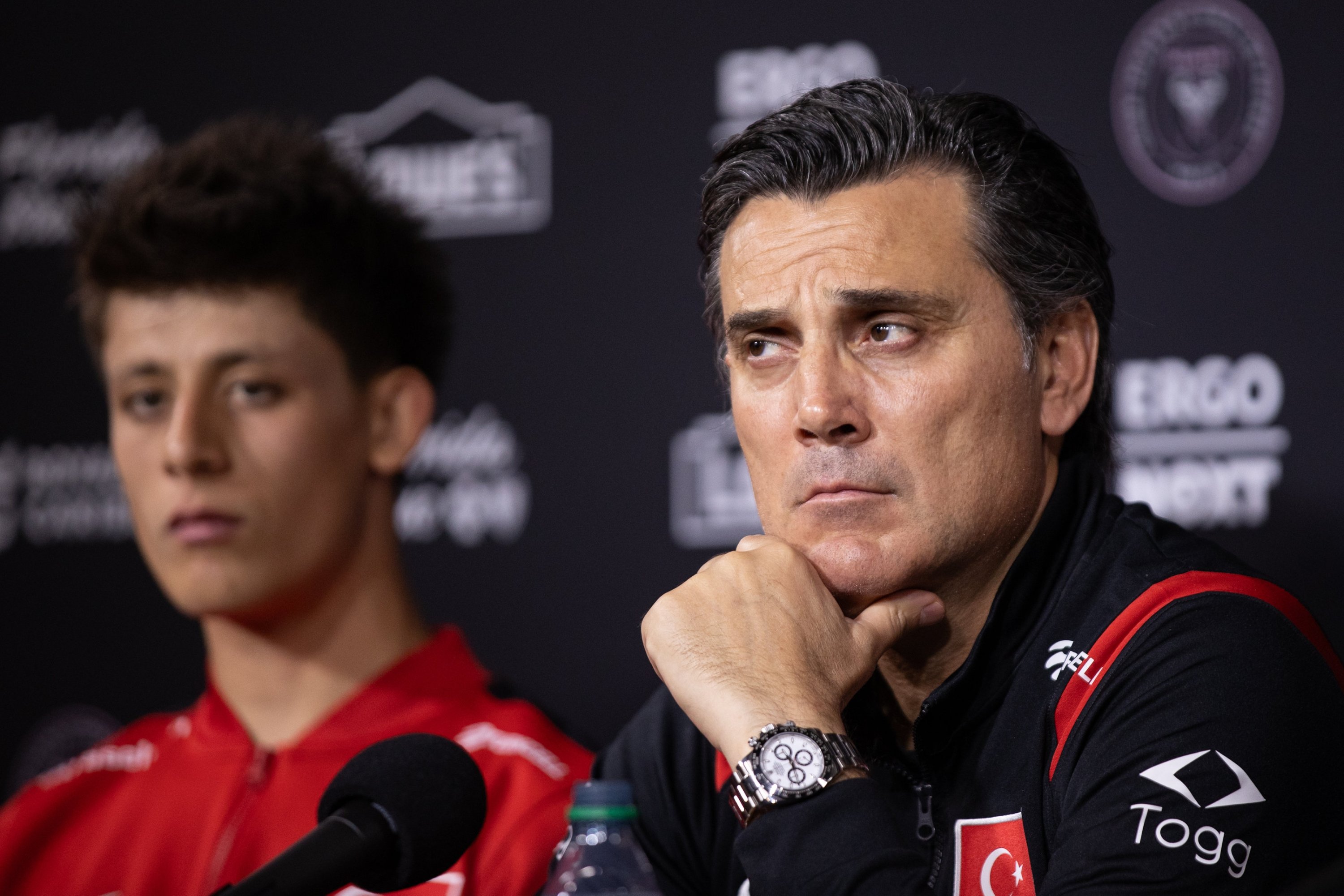
Italy’s influence also carries significant weight through Carlo Ancelotti’s leadership of Brazil and Vincenzo Montella’s role with Turkey, both reflecting how Italian coaching structure and tactical discipline continue to be exported across top international projects.
This widespread Argentine and Italian presence highlights coaching cultures built on tactical adaptability, emotional intensity and long-standing export traditions that now reach every corner of the tournament.
Europe’s coaching pipeline powers the tournament
European managers remain deeply embedded across the competition. France, Spain, Germany and Italy continue to produce coaches trusted far beyond their domestic systems.
Didier Deschamps leads France with World Cup-winning experience, while Germany’s Julian Nagelsmann represents a younger tactical generation built on pressing structure and data-driven preparation.
Spain’s influence is visible through multiple appointments across national teams, while Italian experience is reinforced not only through Ancelotti and Montella, but also through a wider coaching footprint across elite programs.
The result is a tournament where European tactical schools are effectively embedded into multiple continents, shaping game models that increasingly resemble club football rather than traditional international styles.
Split identity
The divide between foreign and domestic coaches is not just statistical, it reflects contrasting football philosophies.
Countries such as the United States, England, Brazil, Portugal, Belgium, Turkey, Canada, Ghana, Algeria, Saudi Arabia and Iraq have turned to foreign leadership in pursuit of tactical modernization and tournament stability. These federations often prioritize experience in elite competitions and adaptability under pressure.
Meanwhile, nations including France, Spain, Germany, Japan, Mexico, South Korea, Australia, Senegal, Croatia and the Netherlands have maintained domestic leadership structures, leaning on established coaching pipelines and national football identity.
The split underscores a central tension of the modern international game: whether success comes from continuity or imported expertise.
Wide generational gap
The coaching range in 2026 stretches across decades of football evolution.
At 38, Germany’s Julian Nagelsmann is the youngest manager at the tournament, representing a new era defined by tactical fluidity, aggressive pressing and rapid in-game adjustments.
His rise reflects the growing trust in younger coaches shaped by modern club systems.
At the opposite extreme, Curacao’s Dick Advocaat, aged 78, brings a lifetime of international experience, leading his side into a historic World Cup appearance and offering one of the most traditional managerial profiles in the competition.
The two are even drawn into the same group, creating one of the tournament’s most symbolic matchups: modern football innovation against decades of accumulated experience.
Across all teams, the average coaching age stands at 57.3, higher than the previous World Cup cycle, reinforcing the reliance on seasoned leadership for a tournament of this scale and intensity.
Champions, challengers and historical stakes
Only two managers arrive with World Cup-winning pedigree.
Didier Deschamps, who lifted the trophy with France in 2018, remains one of the most successful tournament managers of the modern era. Alongside him, Lionel Scaloni returns as reigning champion after Argentina’s 2022 triumph.
Their presence adds rare historical weight. A second title would place either among the most decorated coaches in World Cup history, a club currently defined by Vittorio Pozzo’s dual success in the 1930s.
The tournament also features several elite foreign appointments with high stakes attached.
DAILYSABAH
هلدینگ کاسپین استانبول | خرید ملک در ترکیه | صرافی معتبر ایرانی در ترکیه | خرید و فروش طلا در ترکیه | مهاجرت به ترکیه | واردات و صادرات در ترکیه | نیازمندیهای ترکیه | اخبار ترکیه | اخبار جهانی | توریست ایران | خدمات توریستی در ایران | تورهای گردشگری ایران | هلدینگ اول | خدمات کاریابی و فریلنسری و شغل | مرجع اطلاعات ایران (همه چیز در ایران) | کیف پول و خدمات مالی و پرداخت یار | اخبار ایران | تابلو زنده قیمت ارز در ترکیه و استانبول | صرافی آنلاین ترکیه | قیمت طلا و نقره در ترکیه | سرمایه گذاری در ترکیه | جواهرات در ترکیه | نرخ لحظه ای ارزها در استانبول | قیمت دلار امروز در ترکیه | قیمت دلار استانبول امروز | قیمت لحظه ای دلار | اخبار روز ترکیه استانبول | اپلیکیشن ISTEX | اپلیکیشن قیمت لحظه ای دلار و یورو و لیر و ارزها در ترکیه
About the Author