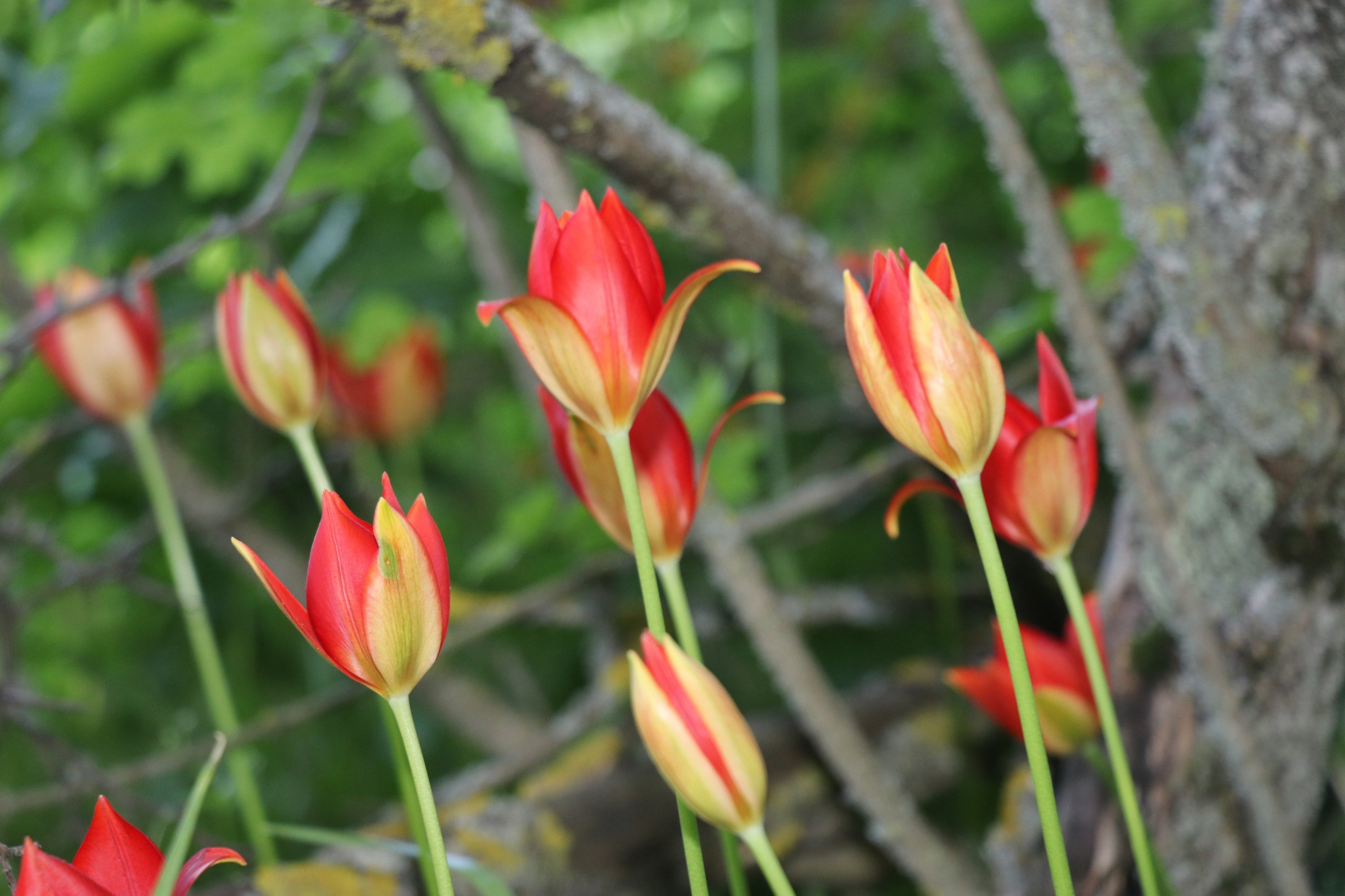
A tulip species believed to have disappeared from the wild more than a century ago has been rediscovered in Amasya, northern Türkiye, offering a significant breakthrough for botanical research and conservation efforts.
Known as the “Lost Amasya Tulip,” the flower was spotted by local nature enthusiast Ercan Eftelioğlu while exploring a rural area of the province.
Eftelioğlu noticed an unusual tulip species and photographed it before sharing samples and images with botanists for identification.
The discovery prompted a field investigation by Ismail Eker of Bolu Abant Izzet Baysal University and Salih Sercan Kanoğlu, director of the Nezahat Gökyiğit Botanical Garden in Istanbul. After examining the plant in its natural habitat, the experts confirmed that it was the long-lost Amasya Tulip, a species that had been listed in scientific literature as missing.
According to Eker, the tulip was first collected in 1892 and was last documented in 1896.
For the following 130 years, numerous Turkish and international researchers searched for the species in the region but were unable to locate it.
“Today is an important day because we believed this plant had been lost,” Eker said. “After 130 years, we have seen that it has survived in Amasya. However, its habitat is extremely limited.”
He said the rediscovery demonstrates that the species has managed to persist despite decades without confirmed sightings. Researchers now plan to focus on protecting the tulip and preserving its habitat to ensure its survival.
“We will work to place the plant under protection and keep it alive,” Eker said.
Eftelioğlu said he immediately suspected the flower might be the long-lost species after noticing its resemblance to descriptions of the tulip. “I am constantly exploring nature. When I saw it, I thought it looked very much like Amasya’s lost tulip,” he said. “I took samples, photographed it and shared the findings with botanists.”