Hopes of a breakthrough between Iran and the United States rose sharply Friday after President Donald Trump said a deal to end the war could be signed within days, even as Tehran publicly insisted that no final agreement had been reached, underscoring how fragile and contested the diplomatic push remains.
The possible accord would represent the most significant political development since the outbreak of a three-month conflict that has killed thousands, destabilized the Middle East, and shaken global energy markets, largely due to disruptions in maritime traffic through the Strait of Hormuz, through which a major share of the world’s oil supply flows.
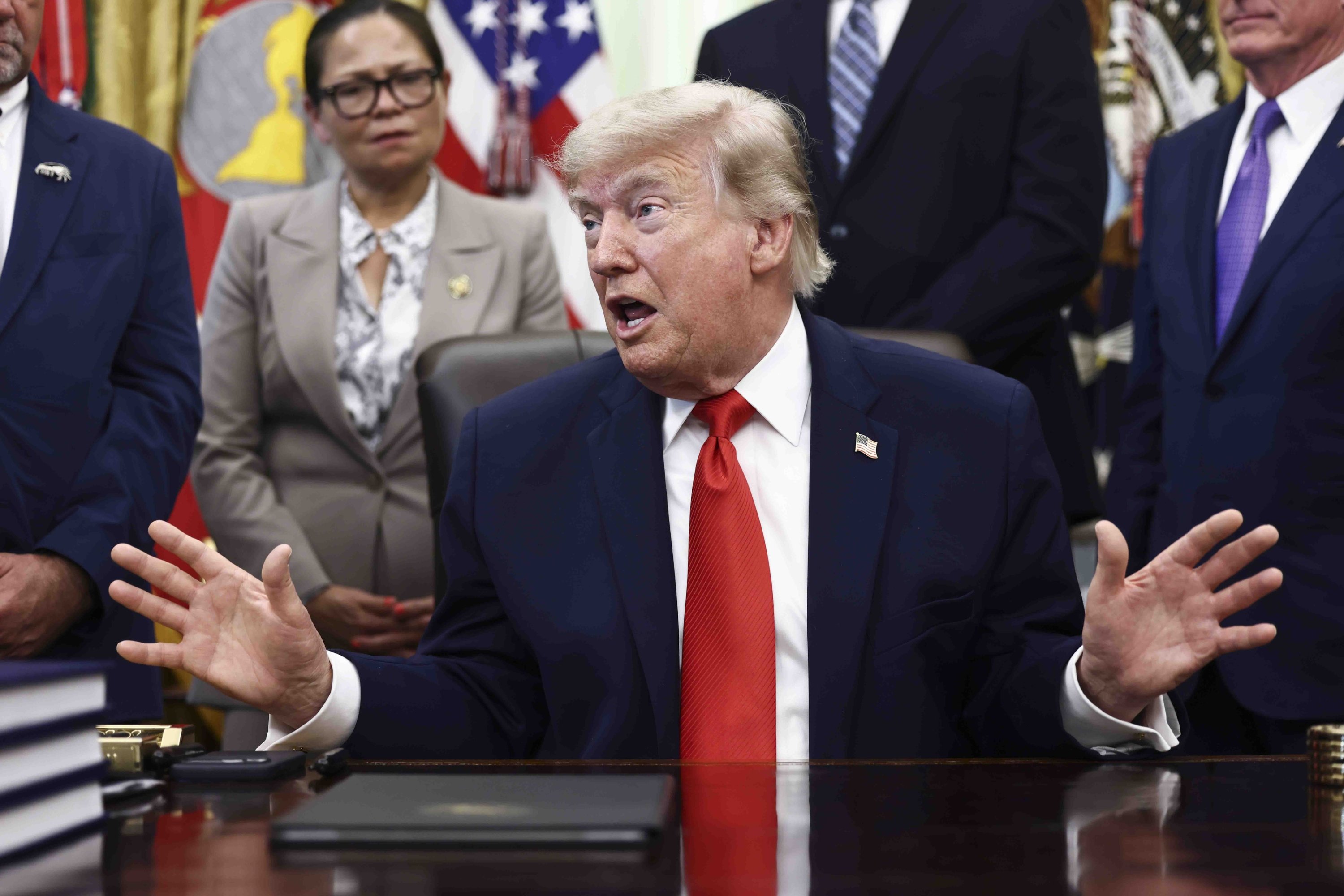
Trump told reporters at the White House that negotiations had reached what he described as a final conceptual understanding, adding that signing could take place “very soon,” possibly over the weekend in Europe, with Vice President JD Vance expected to be present. He said the framework had already been reviewed at the highest levels of Iranian leadership and suggested approval was effectively secured, though no Iranian authority has confirmed that claim.
“I understand the answer is yes,” Trump said when asked whether Iran’s Supreme Leader Ayatollah Mojtaba Khamenei had signed off, a statement that immediately heightened expectations but also drew skepticism given the absence of official confirmation from Tehran.
Iran’s foreign ministry rejected the notion that a deal had been finalized. Spokesman Esmaeil Baqaei said significant portions of the text had been completed, but stressed that discussions were still ongoing and subject to review by decision-making institutions in Tehran. He warned that Iran would not accept changes that crossed its core negotiating red lines.
Iranian state-aligned outlets added that the talks had stalled over what they described as last-minute shifts in the US position, highlighting a recurring pattern in negotiations that have repeatedly moved close to resolution before collapsing.
Despite the uncertainty, financial markets responded as if de-escalation was imminent. Asian equities rose in line with global gains, while oil prices dropped to a two-month low as traders priced in the possibility that the conflict could wind down and shipping lanes reopen fully in the Gulf region.
The Strait of Hormuz remained the central flashpoint. A US official said American forces intercepted and destroyed two Iranian one-way attack drones targeting commercial vessels near the waterway. Iranian media, meanwhile, reported that a tanker was prevented from transiting the strait and described explosions in the early hours, further reinforcing concerns that the maritime corridor remains unstable even amid diplomatic movement.
Trump said he had halted planned US military strikes on Iran after what he described as meaningful progress in talks, framing the emerging understanding as a “memorandum of understanding” rather than a fully detailed treaty. He insisted that any final agreement would require Iran to permanently abandon any path toward nuclear weapons development.
Iran continues to deny it is seeking nuclear weapons and has instead tied its negotiating position to sanctions relief, access to frozen overseas assets, and broader recognition of its role in managing the Strait of Hormuz. Those demands remain among the most sensitive sticking points in the talks.
The diplomatic shift came after days of escalating rhetoric. Trump had previously warned of imminent strikes and even floated targeting Iran’s energy infrastructure, including Kharg Island, before abruptly pivoting toward negotiations as back-channel mediation intensified.
The war itself, which erupted earlier in the year following US and Israeli strikes on Iranian territory, has already seen cycles of escalation and a fragile ceasefire that has repeatedly come under strain. Each flare-up has added urgency to efforts to prevent further regional spillover.
In Washington, the conflict has become increasingly politically charged. Rising fuel prices have fueled voter frustration, while divisions within Trump’s political base have emerged between hardliners urging continued pressure on Tehran and others warning that prolonged conflict could carry domestic political costs ahead of upcoming elections.
Regional actors have also weighed in cautiously. Israeli Prime Minister Benjamin Netanyahu said Israel was not formally part of the emerging memorandum but welcomed assurances that any agreement would include strict limits on Iran’s nuclear capabilities and missile infrastructure.
Even as diplomatic language softened in public statements, military tensions persisted on the ground. Iranian officials continued to warn of a stronger response if attacked, while reports from the region pointed to ongoing skirmishes involving Iran-aligned groups in Lebanon, where cross-border hostilities with Israel have not fully subsided.
Inside Iran, skepticism remains high. Officials and civilians alike have pointed to repeated near-agreements in past months that ultimately failed, with critics warning that shifting US demands could once again derail the process at the final stage.
DAILYSABAH
هلدینگ کاسپین استانبول | خرید ملک در ترکیه | صرافی معتبر ایرانی در ترکیه | خرید و فروش طلا در ترکیه | مهاجرت به ترکیه | واردات و صادرات در ترکیه | نیازمندیهای ترکیه | اخبار ترکیه | اخبار جهانی | توریست ایران | خدمات توریستی در ایران | تورهای گردشگری ایران | هلدینگ اول | خدمات کاریابی و فریلنسری و شغل | مرجع اطلاعات ایران (همه چیز در ایران) | کیف پول و خدمات مالی و پرداخت یار | اخبار ایران | تابلو زنده قیمت ارز در ترکیه و استانبول | صرافی آنلاین ترکیه | قیمت طلا و نقره در ترکیه | سرمایه گذاری در ترکیه | جواهرات در ترکیه | نرخ لحظه ای ارزها در استانبول | قیمت دلار امروز در ترکیه | قیمت دلار استانبول امروز | قیمت لحظه ای دلار | اخبار روز ترکیه استانبول | اپلیکیشن ISTEX | اپلیکیشن قیمت لحظه ای دلار و یورو و لیر و ارزها در ترکیه
About the Author