Russian and Ukrainian forces carried out some of the most far-reaching drone strikes in recent weeks overnight into Friday, hitting energy production sites in Russia and rail and power infrastructure in Ukraine as the war’s aerial campaign continues to intensify and stretch deeper into both countries’ rear areas.
Ukraine launched waves of long-range drones toward Russia’s industrial heartlands, with regional authorities reporting strikes across central Tatarstan and the Volga region, areas that host key oil refining and petrochemical facilities. Officials in Tatarstan said industrial sites were targeted and precautionary measures were taken in nearby cities, including the cancellation of public events in Nizhnekamsk during Russia’s national holiday period.
The region is home to major energy and chemical production complexes, including facilities linked to Sibur and Tatneft, both central to Russia’s downstream fuel output. Regional officials did not immediately specify the extent of damage, but acknowledged heightened security alerts as drones were reported over multiple locations.
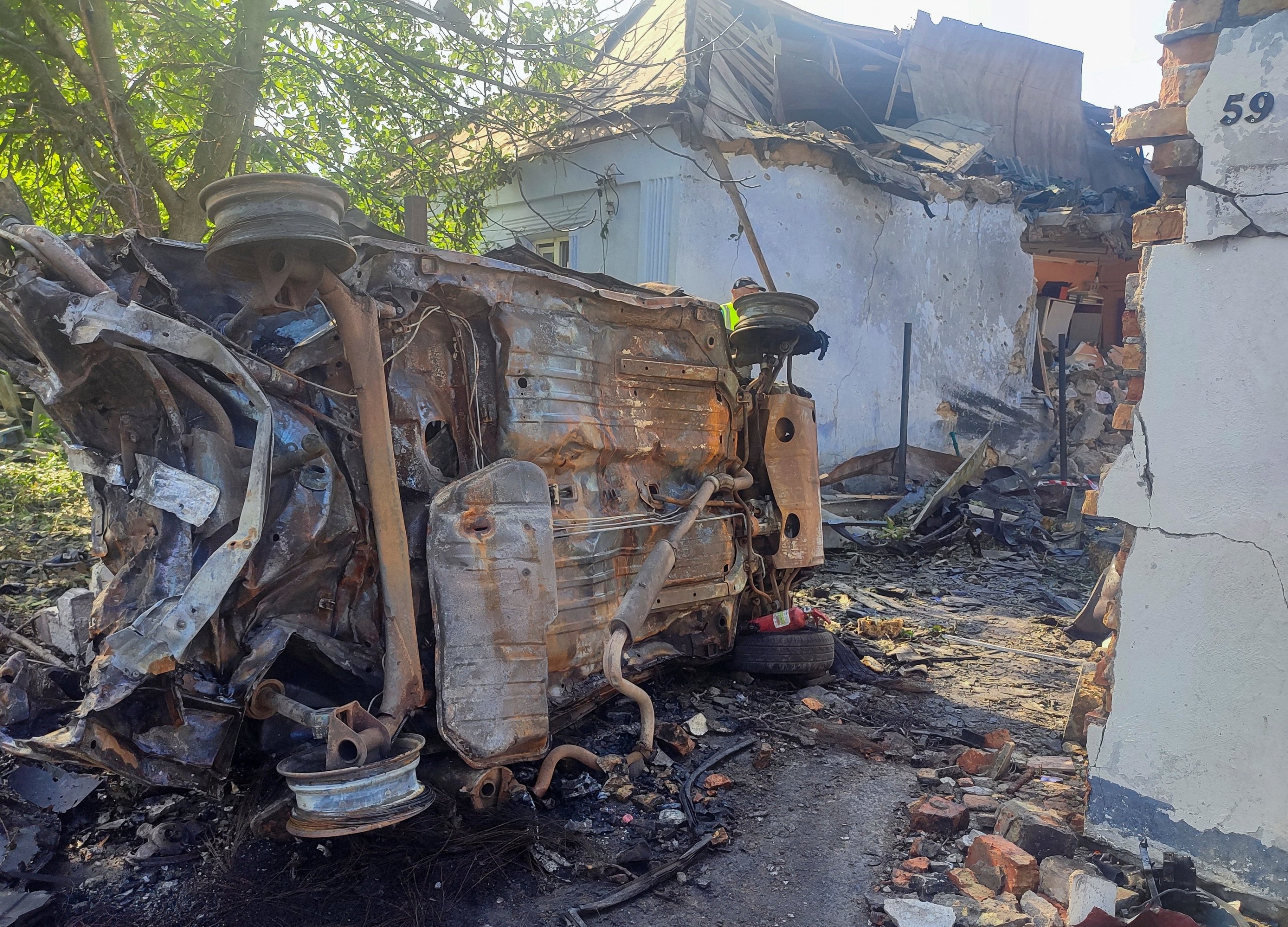
Further east, local authorities said Ukrainian drones struck an apartment building in Tatarstan, injuring several people, while additional strikes were reported in Russia’s Bryansk border region, where officials said civilians were killed and wounded in separate attacks. Russia’s defense ministry said it intercepted more than 200 Ukrainian drones overnight, underscoring the scale of the assault.
Ukraine, for its part, said it came under sustained Russian drone fire targeting transport and energy infrastructure, particularly in the northeast. The state railway operator Ukrzaliznytsia said Russian drones struck railway stations, signaling equipment and electrical substations in the Sumy region, killing a railway worker and injuring another.
Officials said the attack followed an earlier strike on the town of Konotop, also in Sumy, where railway personnel were killed and wounded in a separate wave of drone attacks. The repeated strikes have placed mounting pressure on Ukraine’s rail network, a critical system for civilian evacuation routes and military logistics.
Ukraine’s air force said Russia launched more than 100 drones overnight, most of which were intercepted or neutralized by air defenses. In southern Mykolaiv, regional officials reported further drone damage to residential buildings and additional injuries, highlighting the spread of attacks beyond front-line areas.
The escalation comes as Ukraine continues a sustained campaign targeting Russia’s oil infrastructure, a strategy aimed at disrupting fuel production and distribution to both Russian regions and occupied territories. That campaign has had its most visible impact in Crimea, where fuel shortages, rationing measures and long queues at gas stations have become increasingly common in recent weeks.
Crimea, annexed by Russia in 2014, remains heavily dependent on supply routes from mainland Russia, including road and rail links through occupied southern Ukraine. Those routes have been repeatedly disrupted by Ukrainian strikes on bridges, fuel convoys and logistics corridors, creating what officials and local media have described as the most severe fuel crunch since the annexation.
The Kremlin has acknowledged the shortages and said measures are being taken to stabilize supply, while regional authorities have introduced temporary restrictions on fuel purchases and appealed for calm. Tourism operators, already preparing for peak summer season, have reported cancellations and reduced bookings as fuel availability becomes uncertain.
Analysts say Ukraine’s expanding drone campaign reflects a shift toward sustained economic pressure on Russia’s refining and transport systems, not only on military targets. The strikes have repeatedly hit refineries, depots and pipeline infrastructure, forcing disruptions in domestic distribution and exposing vulnerabilities in Russia’s logistics network.
At the same time, Russia has continued its own long-range drone and missile attacks on Ukraine’s infrastructure, particularly rail nodes and energy substations that are essential for civilian movement and wartime supply chains. The mutual escalation has blurred traditional front lines, turning rear areas into persistent targets.
DAILYSABAH
هلدینگ کاسپین استانبول | خرید ملک در ترکیه | صرافی معتبر ایرانی در ترکیه | خرید و فروش طلا در ترکیه | مهاجرت به ترکیه | واردات و صادرات در ترکیه | نیازمندیهای ترکیه | اخبار ترکیه | اخبار جهانی | توریست ایران | خدمات توریستی در ایران | تورهای گردشگری ایران | هلدینگ اول | خدمات کاریابی و فریلنسری و شغل | مرجع اطلاعات ایران (همه چیز در ایران) | کیف پول و خدمات مالی و پرداخت یار | اخبار ایران | تابلو زنده قیمت ارز در ترکیه و استانبول | صرافی آنلاین ترکیه | قیمت طلا و نقره در ترکیه | سرمایه گذاری در ترکیه | جواهرات در ترکیه | نرخ لحظه ای ارزها در استانبول | قیمت دلار امروز در ترکیه | قیمت دلار استانبول امروز | قیمت لحظه ای دلار | اخبار روز ترکیه استانبول | اپلیکیشن ISTEX | اپلیکیشن قیمت لحظه ای دلار و یورو و لیر و ارزها در ترکیه
About the Author