The United States and Iran have “never been closer” to a deal on ending the war in the Middle East, Iranian Foreign Minister Abbas Araghchi said on Friday.
“The Islamabad Memorandum of Understanding has never been closer,” Araghchi wrote on the social media platform X, referring to the Pakistani capital, which hosted previous U.S.-Iran talks.
The apparent breakthrough in negotiations comes after Iran exchanged fire with the U.S. and Israel over three days this week, threatening to return the Middle East to full-scale war.
“Pending its finalization, the media should refrain from entering speculation about its content,” Araghchi added, after purported details of the accord were published by Iranian media.
“In line with our responsible and transparent approach, all details will be shared with the public in due course,” Araghchi added.
U.S. President Donald Trump has said multiple times in recent weeks that the countries were on the cusp of a deal. The war launched by the U.S. and Israel on Feb. 28 has rattled the Middle East and virtually shut down oil and natural gas shipments from the Persian Gulf. A fragile cease-fire has been in place since April 7.
The regional officials said the emerging deal is expected to pave the way for reopening the Strait of Hormuz, the phased lifting of sanctions on Iran, and the release of frozen Iranian assets. These officials, who spoke to The Associated Press (AP) on condition of anonymity because of the sensitivity of the negotiations, declined to discuss further details.
A senior U.S. official said key terms in the emerging agreement include the removal and destruction of Iran’s nuclear material and the dismantling of Tehran’s nuclear program.
The U.S. official spoke on condition of anonymity because they were not authorized to provide details about the sensitive talks.
Underscoring the fragility of the talks, Trump on Friday lashed out at Iranian officials on social media and said: “They better get their act together, and FAST!”
Iran’s nuclear program has been a key point of division. That’s the main reason the U.S. and Israel cited for going to war. Tehran has insisted its nuclear efforts are for peaceful purposes.
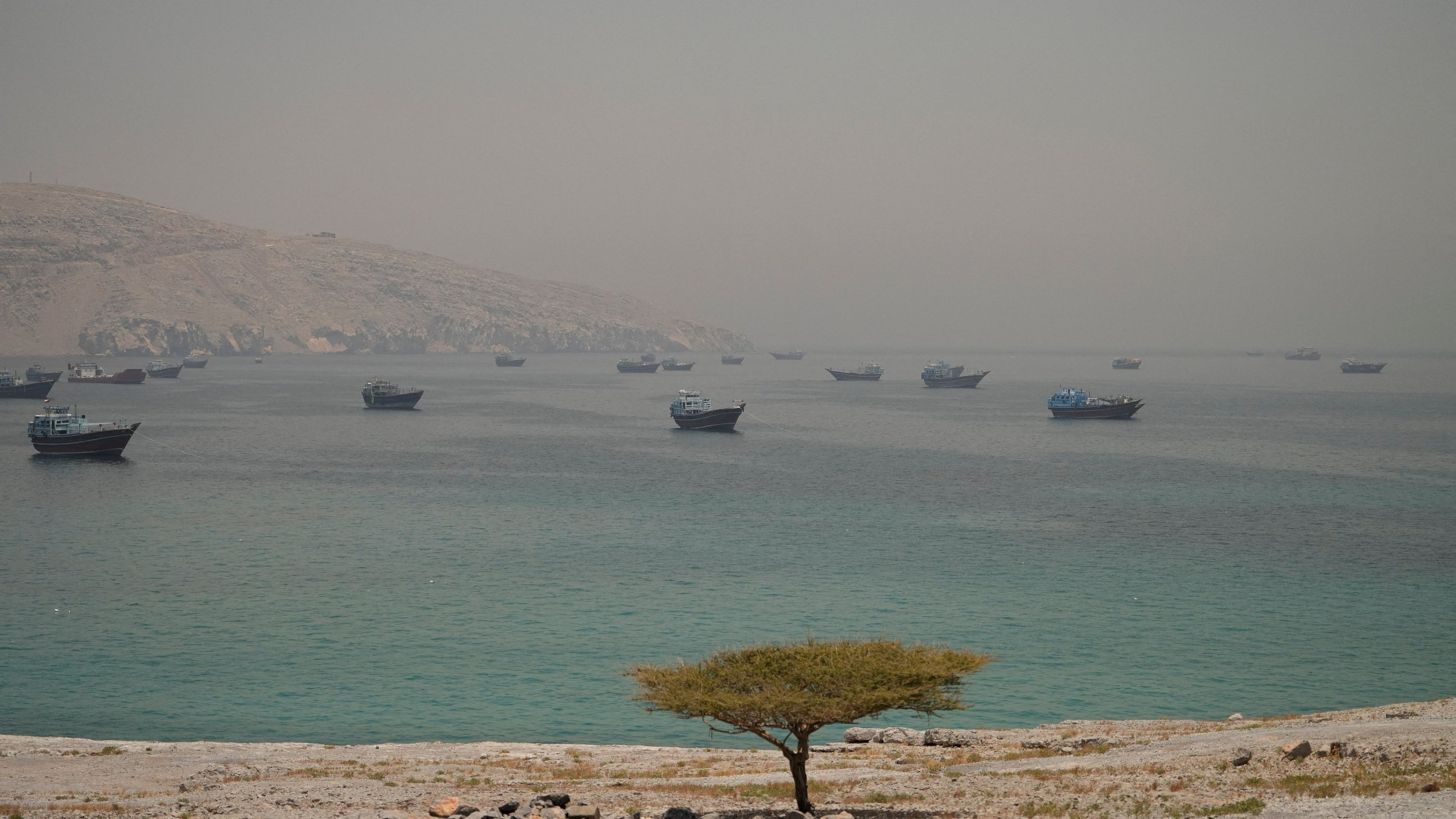
Also critical is Iran’s effective closure of the Strait of Hormuz, a vital shipping lane for oil and natural gas. Disruption of transit through the strait has crimped global energy supplies, driven up fuel prices and made food and other basics more expensive well beyond the region.
The U.S. has responded since mid-April with a naval blockade of Iranian ports to choke off Iran’s own oil exports.
The regional officials said they expect a signing ceremony for the agreement in the coming days after officials in Washington and Tehran approve it.
“This deal has the potential to remake the region and lead to lasting peace,” U.S. Vice President JD Vance said Friday in a social media post, without releasing details.
Trump on Thursday claimed significant progress in talks to extend the cease-fire, just hours after he threatened to escalate attacks and seize Iran’s oil industry. Esmail Baghaei, a spokesperson for Iran’s Foreign Ministry, said on state television that mediators were active and the text of a deal was “mostly finalized.”
There was no immediate comment Friday from Pakistan’s Foreign Ministry, which has been leading efforts to mediate a deal between the U.S. and Iran. Foreign Ministry spokesperson Tahir Andrabi had said Thursday that Pakistan remained involved in negotiations.
Israeli Prime Minister Benjamin Netanyahu has said that Israel was not a party to the deal being negotiated. He said in a statement Friday that he and Trump were in “full agreement” that Iran must not have nuclear weapons.
Israeli Defense Minister Israel Katz said in a statement Friday that he expects Trump to advocate for Israel’s interests. Katz said Israel could still act independently toward Iran and said the country would not pull out of the zones it is occupying in Lebanon, Syria and Gaza, nor would it withdraw from the northern refugee camps of the Israeli-occupied West Bank.
Iran has insisted that any deal to end the war must also end fighting in Lebanon. Israel’s strikes on Lebanon have been complicating negotiations between Iran and the U.S.
The deal was largely being brokered by Pakistan, led by its army chief Field Marshal Asim Munir, the regional officials said, with backing from Saudi Arabia, Türkiye, Egypt and Qatar.
DAILYSABAH
هلدینگ کاسپین استانبول | خرید ملک در ترکیه | صرافی معتبر ایرانی در ترکیه | خرید و فروش طلا در ترکیه | مهاجرت به ترکیه | واردات و صادرات در ترکیه | نیازمندیهای ترکیه | اخبار ترکیه | اخبار جهانی | توریست ایران | خدمات توریستی در ایران | تورهای گردشگری ایران | هلدینگ اول | خدمات کاریابی و فریلنسری و شغل | مرجع اطلاعات ایران (همه چیز در ایران) | کیف پول و خدمات مالی و پرداخت یار | اخبار ایران | تابلو زنده قیمت ارز در ترکیه و استانبول | صرافی آنلاین ترکیه | قیمت طلا و نقره در ترکیه | سرمایه گذاری در ترکیه | جواهرات در ترکیه | نرخ لحظه ای ارزها در استانبول | قیمت دلار امروز در ترکیه | قیمت دلار استانبول امروز | قیمت لحظه ای دلار | اخبار روز ترکیه استانبول | اپلیکیشن ISTEX | اپلیکیشن قیمت لحظه ای دلار و یورو و لیر و ارزها در ترکیه
About the Author