Iran and the United States have reached an agreement to end the war that began on Feb. 28. The two states have agreed to set the stage for detailed negotiations on the Iranian nuclear program and sanctions imposed against Iran. According to the signed deal, a 60-day deadline was set for Iran to reach a nuclear agreement.
It’s unclear what the signatory states agreed upon, but it seems clear what they disagreed on. The cessation of hostilities is an important achievement for Iran and the regional states. With this agreement, Iran extended its security umbrella to its regional proxies. We hope that there will be no return to armed conflict. It is not clear whether this agreement will bring peace and stability to the region.
All states involved in the war, namely Iran, the U.S. and Israel, have been damaged. On the one hand, Iran has lost most of its leadership cadres, including its supreme leader. Many important infrastructures were targeted and destroyed by the attackers. However, the U.S. and Israel also paid a high price during the war.
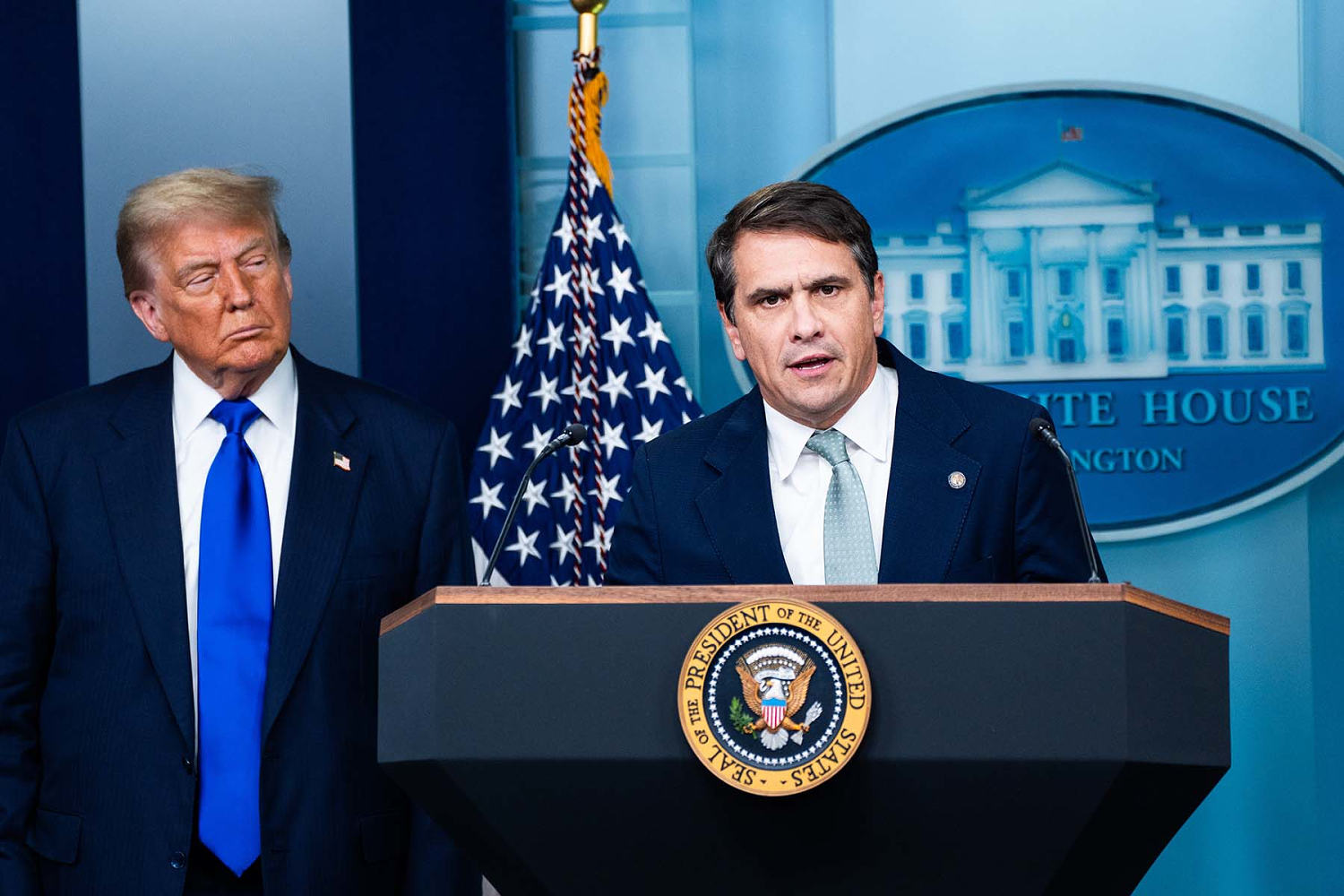
The U.S. military deterrence was weakened during the war. Today, it is less of a deterrent power than it was before the war. The war damaged President Donald Trump’s personal reputation. A large portion of his constituents, including his Make America Great Again (MAGA) political base, opposed the war. Consequently, Trump may lose the coming midterm elections. The U.S. has paid a high economic price as well.
On the other hand, Iran successfully discouraged the U.S. from engaging in a more violent war. A more violent war may damage the global system, since in terms of its implications, it has become a global and systemic war.
Challenges to peace
Does the agreement have a chance of success? Given the conditions on the ground, the cycle of violence may erupt again since there are several serious challenges to a lasting peace in the Middle East.
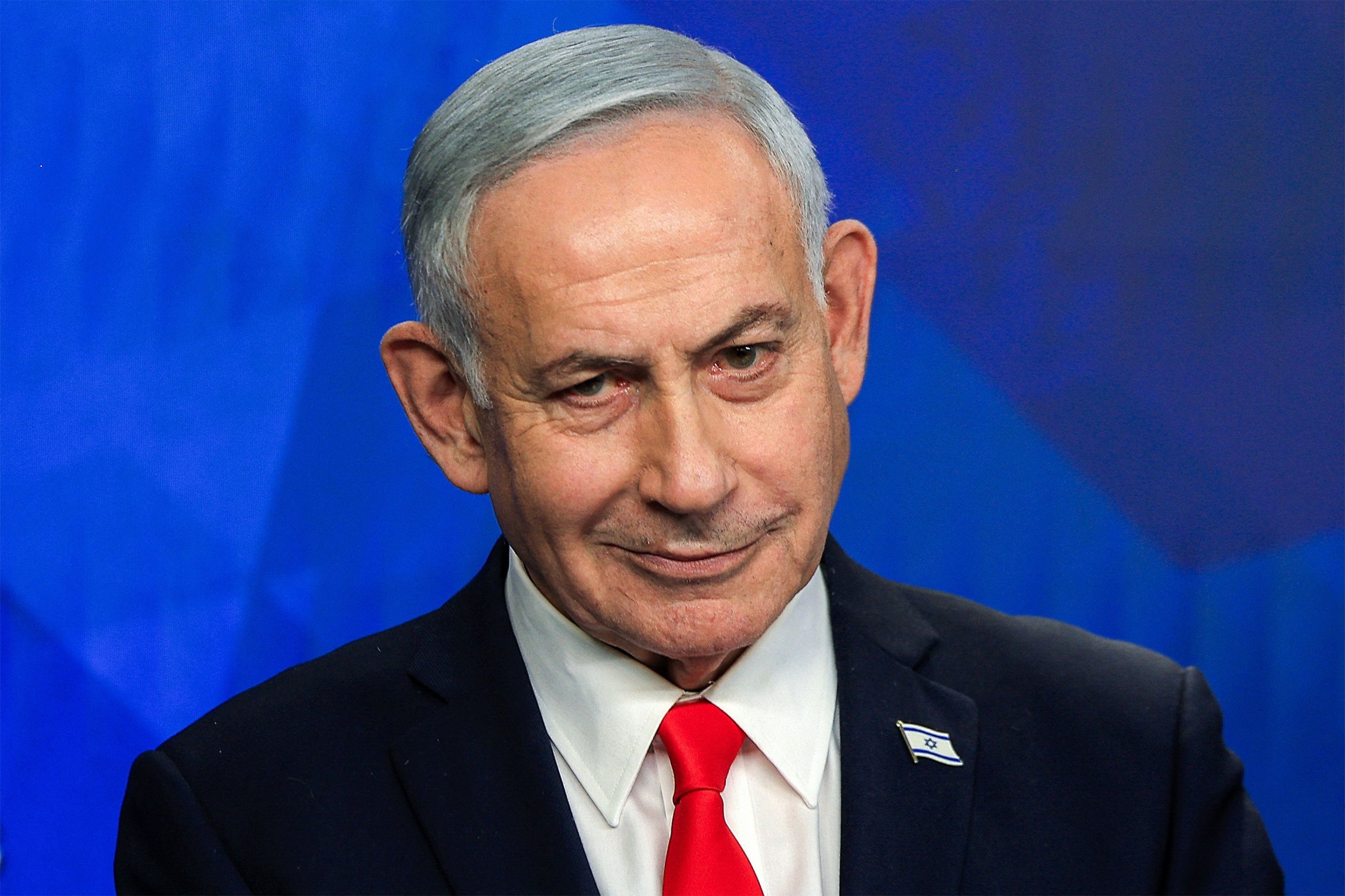
First of all, after the deal was announced, Israeli Prime Minister Benjamin Netanyahu said that their “struggle has not yet ended.” Although there were three sides to the war, only two states (Iran and the U.S.) will sign the treaty. The main reason for this is that Iran does not recognize Israel diplomatically. The U.S. signed the treaty on behalf of Israel.
Israel will continue to push for more military action. It is responsible for the outbreak of the war and is one of the biggest obstacles to achieving a lasting peace agreement in the region. Indeed, it was Israel that first attacked Iran and then pressured the U.S. to follow suit. Given that its attacks are not only against Palestine but also against Lebanon and Syria, Israel will continue its expansionist policies in the region.
As long as Israel’s policy of establishing regional hegemony continues, it will try to disrupt the peaceful environment. It uses the Abraham Accords for this purpose, bringing regional states under control. It will continue to make maximalist demands in accordance with the requirements of religious teachings.
In addition, as long as Israel’s tutelage over the U.S. continues, Israel will continue to undermine the U.S. peace efforts. The Trump Administration was reluctant to go to war with Iran, but it was still dragged into the war by Netanyahu. Trump tried to strike a deal with Iran twice, but both times, Netanyahu sabotaged the process. Although Trump has occasionally threatened to leave Israel isolated in the region, it seems unlikely that the U.S. will pursue an independent policy in the Middle East, separate from Israel.
Second, Iran will continue to become a vital threat to many regional countries. Its attack on the Gulf states caused a great deal of insecurity, and it will continue to play the sectarian card against the Sunni Muslim states. Furthermore, Iran competes with Türkiye along different lines: tensions between Sunni and Shia populations, and the tension line between potential pan-Turkism and Iran. On the other hand, Iran will not abandon its proxy actors in Iraq, Lebanon and Yemen, continuing its policy of control over these states.
Third, there is no unity in the Gulf. While the United Arab Emirates maintains a close alliance with Israel, Saudi Arabia has distanced itself considerably from Israel. The Gulf states have grown cold towards the U.S. for failing to defend them against the latest Iranian attacks. As a matter of fact, Israel’s attack against Doha last year was such a test. Therefore, the Gulf states have begun searching for alternative security partners.
At this point, we have to ask some questions to see the ultimate results of the agreement. What has been gained from the war with Iran? Has each attack against Iran made Iran and Iranian nuclear weapons more or less likely?
The U.S. has assassinated the Iranian Supreme Leader, Ayatollah Ali Khamenei, who issued a fatwa prohibiting the production of nuclear weapons. The new Iranian leadership may issue an opposite fatwa allowing the state to produce nuclear weapons.
And let’s not forget that Iran attacked Israel for the first time in response to an attack on one of its proxy actors. In this region, peace always hangs by a thread.
The views and opinions expressed in this article are solely those of the author. They do not necessarily reflect the editorial stance, values or position of Daily Sabah. The newspaper provides space for diverse perspectives as part of its commitment to open and informed public discussion.
DAILYSABAH
هلدینگ کاسپین استانبول | خرید ملک در ترکیه | صرافی معتبر ایرانی در ترکیه | خرید و فروش طلا در ترکیه | مهاجرت به ترکیه | واردات و صادرات در ترکیه | نیازمندیهای ترکیه | اخبار ترکیه | اخبار جهانی | توریست ایران | خدمات توریستی در ایران | تورهای گردشگری ایران | هلدینگ اول | خدمات کاریابی و فریلنسری و شغل | مرجع اطلاعات ایران (همه چیز در ایران) | کیف پول و خدمات مالی و پرداخت یار | اخبار ایران | تابلو زنده قیمت ارز در ترکیه و استانبول | صرافی آنلاین ترکیه | قیمت طلا و نقره در ترکیه | سرمایه گذاری در ترکیه | جواهرات در ترکیه | نرخ لحظه ای ارزها در استانبول | قیمت دلار امروز در ترکیه | قیمت دلار استانبول امروز | قیمت لحظه ای دلار | اخبار روز ترکیه استانبول | اپلیکیشن ISTEX | اپلیکیشن قیمت لحظه ای دلار و یورو و لیر و ارزها در ترکیه
About the Author