As the climate crisis accelerates, Mongolia is warming rapidly, transforming the country’s cryosphere, including some of the most southerly permafrost landscapes in the northern hemisphere.
Although rarely associated with the Arctic, Mongolia has a remarkably cold climate. Ulaanbaatar is the coldest capital city in the world, and a substantial portion of the country lies within the Arctic Ocean drainage basin. As a result, many of the physical and ecological processes occurring here resemble those found at much higher latitudes.
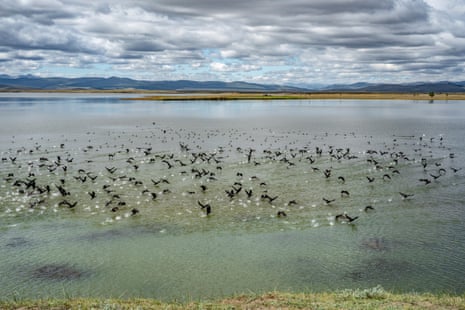
Changes unfolding in Mongolia therefore affect not only local communities and ecosystems, but the entire circumpolar north.
Historical surveys conducted in the 1970s suggested that nearly 63% of Mongolia was underlain by permafrost. Today, estimates indicate that only 26% to 29% remains. Unlike the ice-rich permafrost of Siberia, Canada or Alaska, much of Mongolia’s permafrost is relatively warm, thin and dry, making it particularly sensitive to rising temperatures. Climate change is the primary reason for this decline, although local pressures such as overgrazing can further accelerate thaw by removing the vegetation that insulates the ground – Nikolay Shiklomanov, a professor in the department of geography and environment at George Washington University
Across the country, permafrost acts as an invisible foundation beneath forests, mountain valleys and steppes. By keeping water close to the surface, frozen ground helps regulate hydrology, sustain wetlands, springs and river systems, and maintain pastureland relied upon by nomadic herders.
Today, that foundation is beginning to shift.
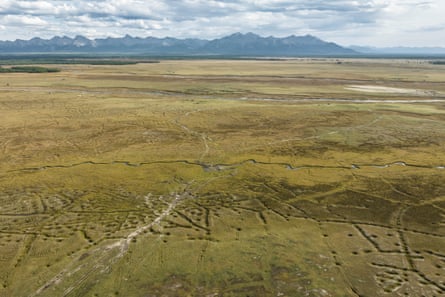
In the Darkhad Depression, one of Mongolia’s largest permafrost regions, thermokarst ponds expand across the grasslands as underground ice melts and the ground subsides. Pingos collapse, wetlands migrate, and traditional grazing areas become increasingly unpredictable.
Because Mongolian permafrost occurs across a wide range of landscapes and environmental conditions, the country provides an important natural laboratory for studying permafrost dynamics – Purevdulam Yondonrentsen, MSc student in ecology, the National University of Mongolia
As the frozen ground thaws, environmental changes become visible in everyday life. Some pastures become wetter and marshier, while others dry out as water percolates deeper into the ground. Springs shift location, seasonal water availability changes, and vegetation patterns evolve.
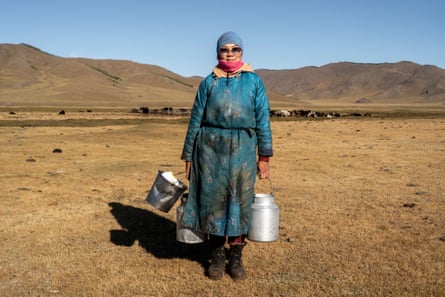
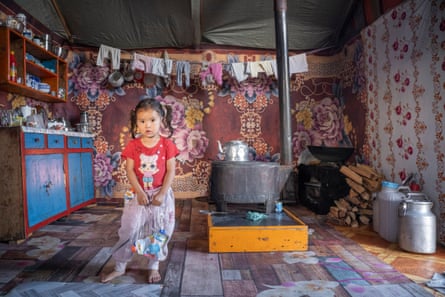
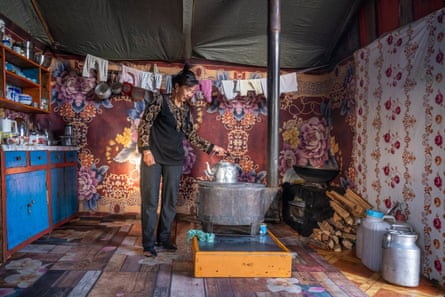
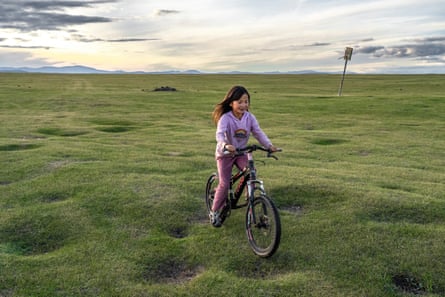
For herders whose livelihoods depend on a delicate balance between water, grass and livestock, these changes are not abstract scientific projections but lived realities.
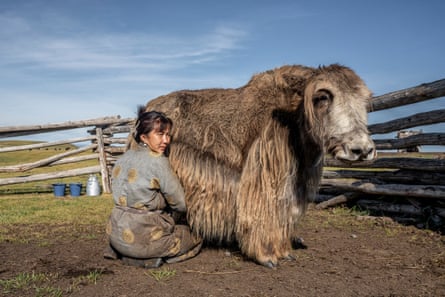
Yaks are particularly vulnerable to warming conditions because they depend on cool temperatures, moist pastures and reliable access to water. Herders report changing grazing conditions and impacts on milk production used for traditional foods such as airag and cheese.
Understanding permafrost change requires more than scientific measurements alone. Local and Indigenous communities have lived with frozen landscapes for generations, building on experience accumulated over millennia and observing changes in snow, ice, water and seasonal cycles long before they appear in scientific records. By bringing scientific and community knowledge together, we gain a more complete understanding of how environmental change affects both ecosystems and people – Vera Kuklina, an associate research professor in the department of geographical sciences at the University of Maryland
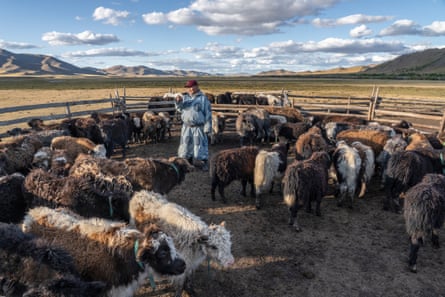
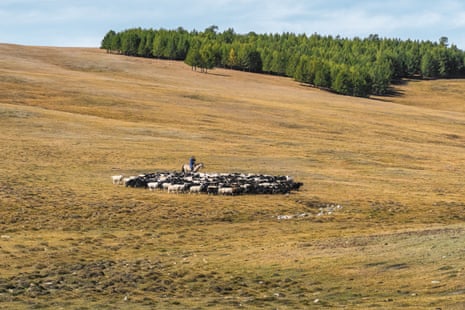
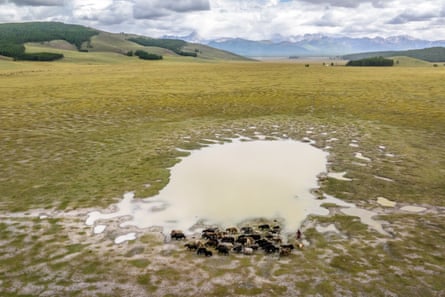
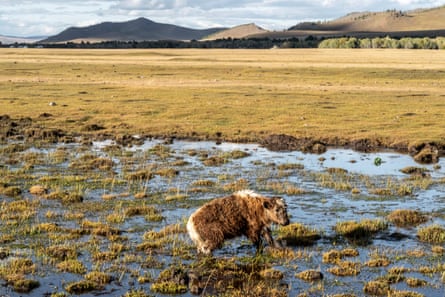
At the same time, scientists are attempting to understand the processes unfolding beneath the surface.
Researchers from Mongolia, Japan, Russia and the United States work together to monitor ground temperatures, soil conditions, hydrology and atmospheric processes. Across remote regions of the country, they install temperature sensors, maintain meteorological towers, collect water samples and map thawing landscapes using drones and GPS technology.
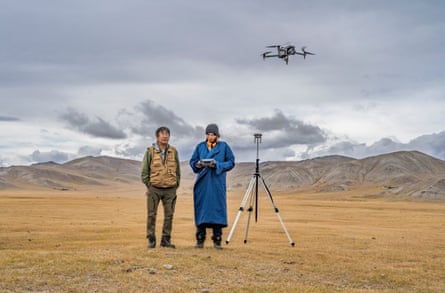
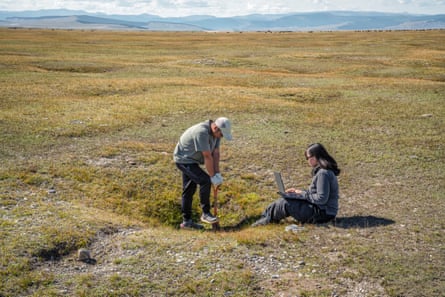
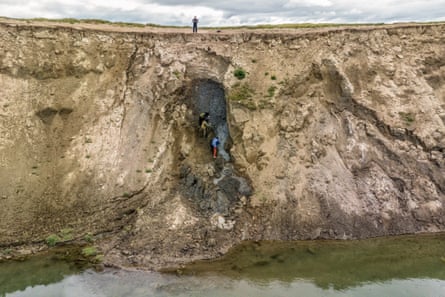
Increasingly, researchers are also recognising the necessity of learning from people in permafrost regions who witness environmental change first-hand.
This approach lies at the heart of Frozen Commons: Change, Resilience and Sustainability in the Arctic, a project led by Kuklina and funded by the US National Science Foundation.
Working with communities in northern Mongolia, the project explores how changing permafrost conditions shape livelihoods, cultures and relationships with the environment, and how communities and other stakeholders govern and interact with them.
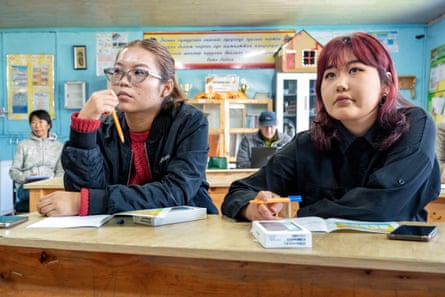
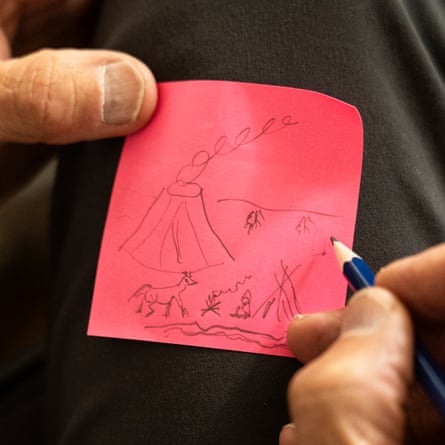
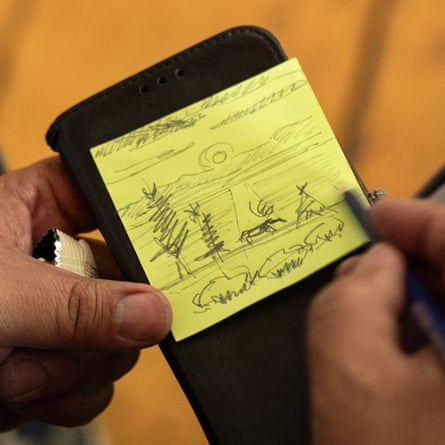
Bringing together scientists, artists and local people, Frozen Commons combines scientific research, oral histories and visual storytelling to document the environmental and social transformations.
The consequences of thawing permafrost extend beyond changes in the landscape. As organic material trapped in frozen ground begins to decompose, greenhouse gases such as methane and carbon dioxide are released into the atmosphere, creating feedbacks that can further accelerate climate warming.
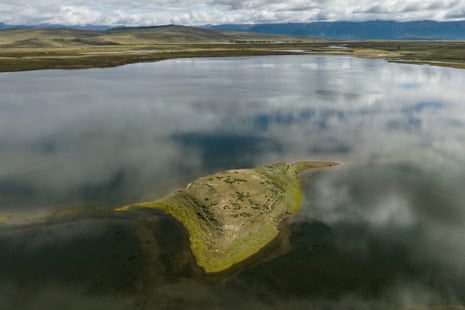
Mongolia is situated at the southern edge of the Eurasian permafrost zone, where the effects of warming often appear earlier than in colder northern regions. Intensive research in Mongolia may therefore help scientists anticipate future environmental conditions in the Arctic and other northern regions – Mamoru Ishikawa, an associate professor at the faculty of environmental earth science and Arctic research center, Hokkaido University
Yet the story unfolding in Mongolia carries implications far beyond its borders. It may also offer important lessons for permafrost regions elsewhere.
The transformation of Mongolia’s permafrost landscapes offers insight into how thaw is reshaping cold regions across the world. Beneath seemingly stable grasslands, the ground is changing, revealing the resilience of people and ecosystems, and the enduring connections between climate, water and life.
The Guardian wp:paragraph
هلدینگ کاسپین استانبول | خرید ملک در ترکیه | صرافی معتبر ایرانی در ترکیه | خرید و فروش طلا در ترکیه | مهاجرت به ترکیه | واردات و صادرات در ترکیه | نیازمندیهای ترکیه | اخبار ترکیه | اخبار جهانی | توریست ایران | خدمات توریستی در ایران | تورهای گردشگری ایران | هلدینگ اول | خدمات کاریابی و فریلنسری و شغل | مرجع اطلاعات ایران (همه چیز در ایران) | کیف پول و خدمات مالی و پرداخت یار | اخبار ایران | تابلو زنده قیمت ارز در ترکیه و استانبول | صرافی آنلاین ترکیه | قیمت طلا و نقره در ترکیه | سرمایه گذاری در ترکیه | جواهرات در ترکیه | نرخ لحظه ای ارزها در استانبول | قیمت دلار امروز در ترکیه | قیمت دلار استانبول امروز | قیمت لحظه ای دلار | اخبار روز ترکیه استانبول | اپلیکیشن ISTEX | اپلیکیشن قیمت لحظه ای دلار و یورو و لیر و ارزها در ترکیه
/wp:paragraph wp:paragraph /wp:paragraph
About the Author